




Videos and GIFs have become some of the most effective types of content in digital marketing, largely because they communicate ideas quickly, spark emotional reactions, and are easy to share across social media platforms. When done well, they help brands build brand awareness, support long-term SEO goals, and tell stories that audiences remember and that publishers want to feature.
In this collection of content marketing examples, we highlight real video and GIF content marketing campaigns that earned significant reach, media coverage, and social traction across social media and publisher channels. Each example shows how thoughtful storytelling, data-driven visuals, and intentional content creation can turn visual assets into measurable marketing impact for a robust content marketing strategy.
Visual Campaigns That Drive Engagement
These video and GIF campaigns illustrate how these formats can be used to tell compelling stories, present data clearly, and reach audiences at scale.
Video Content
We created a stunning and insightful motion graphic for a campaign that revealed the unusual connection between language and spending habits. This piece of educational content told the story of behavioral economist M. Keith Chen’s study, in which he uncovered that in countries where they speak a language with no future verb tense, such as German, people are better at saving money.
Social Shares: 34,843
Notable Features: Upworthy, PBS, The Atlantic, Huffington Post, UPenn.edu
By repackaging existing research into a highly shareable, easy-to-digest format, this campaign attracted the attention of a variety of financial, academic, and general news publications, helping it achieve over 40,000 views and tens of thousands of social shares.
Data Presentation and GIF Content
Creating a campaign that is both thought-provoking and informative can be a daunting task. By using data-driven visuals to explore automobile-related fatalities, the campaign makes a complex and emotional topic easier to understand while encouraging meaningful engagement.
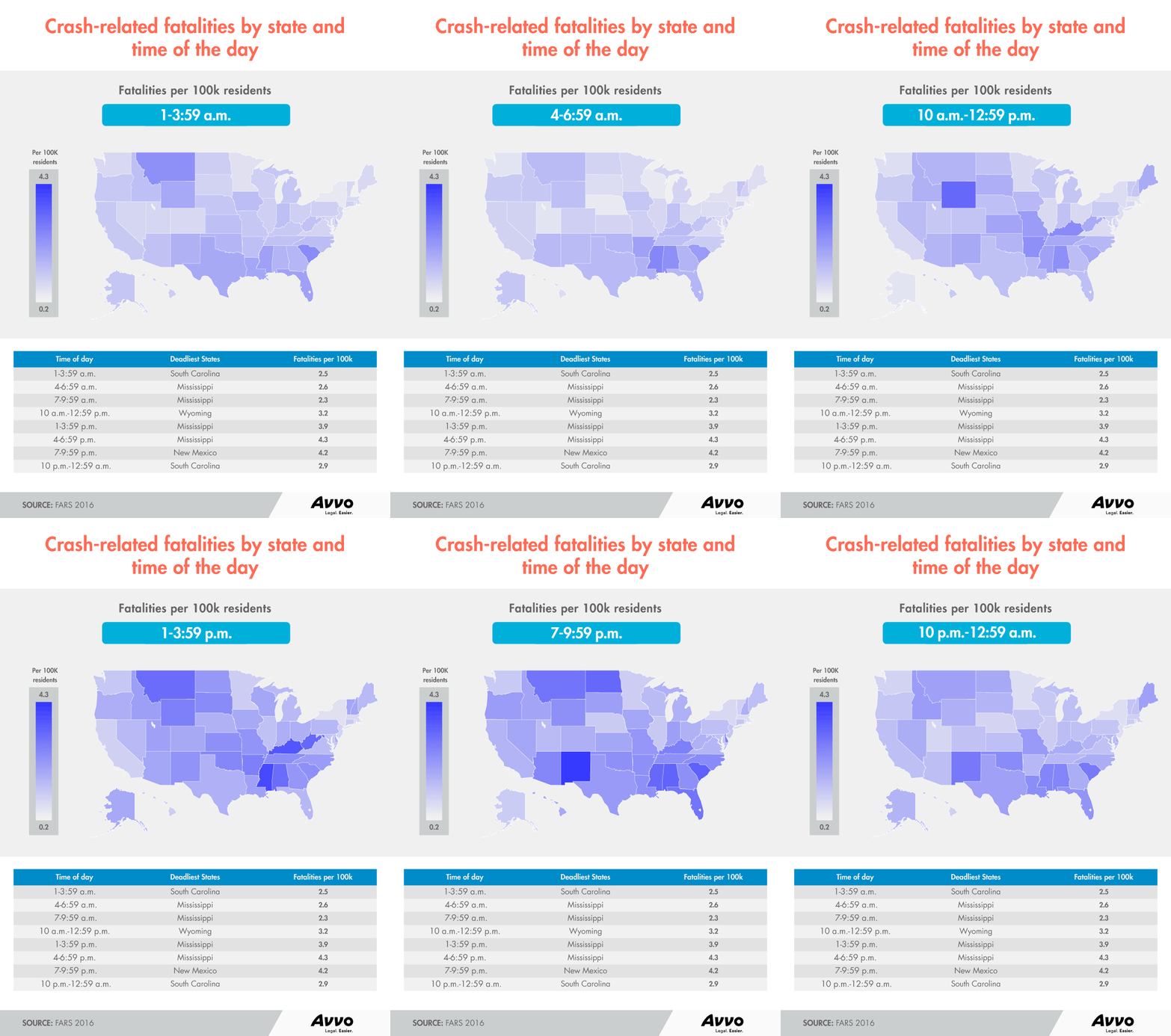
Social Shares: 14,827
Notable Features: MSN, USA Today, Yahoo
Presenting this data as animated visuals helped readers quickly compare patterns across states and time periods, removing the frustration that often comes with dense datasets. Due to the vast range of locations covered, this campaign received wide syndication among a variety of regional and state publications.
What Makes These Content Marketing Examples Effective?
While the campaigns featured vary in topic and format, they share several of the following core elements that help explain why they performed well and earned widespread attention:
- Clear storytelling. Each piece presents a focused narrative that guides the audience through the information in an intuitive, easy-to-follow way.
- Strong visual execution. Thoughtful design choices make complex ideas, data, or emotions easier to understand.
- Emotional or intellectual appeal. Whether through curiosity, concern, or surprise, the content gives audiences a reason to care and keep engaging.
- Share-friendly formats. Videos and GIFs are built for distribution, making it simple for viewers and publishers to embed, repost, or reference the content.
- Publisher relevance. The topics and presentation styles align with what news outlets and industry sites are already interested in covering, increasing pickup potential.
Another common thread is how these campaigns were built with distribution in mind from the start. Rather than creating visuals and hoping they find an audience, each campaign was designed to use content in ways that fit how people actually consume media, whether that’s through social feeds, influencer shares, or embedded placements on publisher sites.
This approach makes it easier for industry leaders, small businesses, and marketing teams alike to adapt similar ideas to their own marketing platform, regardless of budget or channel mix.
Turning Visual Campaigns Into Repeatable Content Ideas
High-performing visual campaigns rarely start fully formed. They begin with brainstorming sessions focused on audience needs, data relevance, and how a topic might translate visually. From there, strong concepts can be expanded into multiple content ideas, turning one campaign into a series rather than a single launch.
For example, a data-driven video might later become part of a YouTube channel playlist, a short TikTok clip, or a LinkedIn post that dives deeper into the findings. This kind of in-depth planning helps teams consistently publish new content without having to start from scratch every time.
How Visual Content Fits Into a Strong Content Marketing Strategy
Video and GIFs should be part of your content marketing efforts, with a strong focus on creating valuable content that answers genuine questions and delivers relevant information. When visual assets are planned intentionally, they support visibility, help build trust, strengthen brand awareness, and guide users toward deeper engagement.
As a type of content marketing, visual campaigns can support everything from social media marketing and B2B content marketing to on-site assets like a landing page or long-form resources.
When integrated into a broader strategy, video and GIFs can:
- Reinforce messaging across channels. Video and GIFs help carry consistent messaging across social media platforms and owned channels, keeping campaigns cohesive and recognizable.
- Support conversion-focused pages. Visual content can strengthen product or campaign landing pages by clarifying value and keeping users engaged longer.
- Complement written assets. Short videos and GIFs make written content easier to digest by breaking up text and visually highlighting key ideas.
- Extend content lifespan. High-quality content can be adapted into multiple visual formats to reach different audiences and remain relevant over time.
Ultimately, visual storytelling works best when it’s treated as part of a connected ecosystem — one where every type of content marketing supports shared goals and contributes to meaningful, long-term results.
How To Measure Success for Visual Content Marketing
Creating strong video and GIF content is only part of the equation. Understanding how that content performs is what turns creative work into an actionable strategy for future content marketing campaigns.
Whether the goal is visibility, engagement, or authority, the following metrics help teams optimize performance across channels like social media posts, email marketing, and on-site distribution.
Here are the metrics to look for:
- Social shares. High share counts across social media platforms signal that the content resonated enough for audiences to distribute it within their own networks.
- Media pickups and syndication. Coverage from publishers and industry outlets shows that the content supports brand awareness and extends beyond owned channels.
- Engagement metrics. Time on page, scroll depth, and video completion rates indicate whether users are actively consuming good content rather than skimming past it.
- Backlinks earned. Organic links from reputable sites support SEO performance and position the content as a trusted reference.
- Audience reach across platforms. Measuring reach across social media content, newsletters, and earned media reveals which formats perform best for different segments of your target audience.
Beyond performance metrics, qualitative signals also matter. Comments, user-generated content, and follow-up coverage often reveal whether a piece resonated with potential customers or simply earned passive views.
When visual content sparks conversation, inspires remixes, or leads to viral videos, it’s a strong indicator that the campaign delivered valuable information — not just impressions.
Turning Visuals Into Impact
As marketing trends continue to shift toward short-form video, social discovery, and creator-driven platforms, visual storytelling remains one of the most effective ways to reach and engage audiences. Video marketing works because it meets people where they already spend time and gives them something worth sharing.
The best content marketing examples succeed by pairing creativity with strategy. Each asset plays a role within a larger system that supports brand visibility across search, social platforms, and emerging GenAI discovery experiences.
Fractl helps brands turn visual content into measurable impact by building campaigns designed for cross-channel visibility. From research-backed infographics to social media content and digital PR, our team uses proven multi-channel strategies and established media relationships to help content earn attention and perform beyond traditional search alone.
If you’re ready to create visual content that travels further and delivers lasting results, get in touch to see how Fractl can support your SEO strategies and more.