Illustrations are a form of visual storytelling that can communicate ideas faster and more memorably than words alone. From hand-drawn sketches to polished digital art, illustrations give brands a way to explain complex topics, highlight data, and connect emotionally with audiences across web design, social media, and editorial platforms.
In the following campaigns, different types of illustrations were used to visualize research findings and explore human perceptions and memory.
Diversity of Global Illustrations
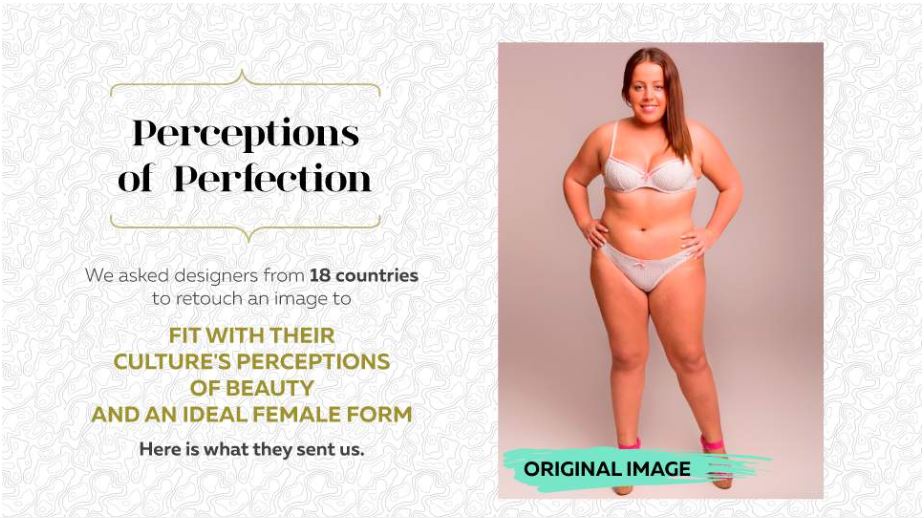
Struggling with body image is an issue that many people can empathize with, and we sought to address the topic in a unique yet sensitive manner.
Graphic designers from 18 different countries participated, and each put their Photoshop skills to the test. They all altered the same photograph differently, using the beauty standards of their home country as design inspiration.
Social Shares: 925,514
Notable Features: Buzzfeed, The New York Times, Yahoo, Mashable, Marie Claire, E! Online,
The results of this campaign were wildly popular. It gained viral status almost instantly, with many notable celebrity shares from the likes of Sofia Vergara and Lil Wayne. The post also received high acclaim from hundreds of high-authority publishers, while making a statement about the world’s varying perceptions of what perfect bodies look like.
Memory Recollection Illustrations
Corporate logos are a part of our everyday life, with these familiar symbols becoming ingrained in our minds over time.
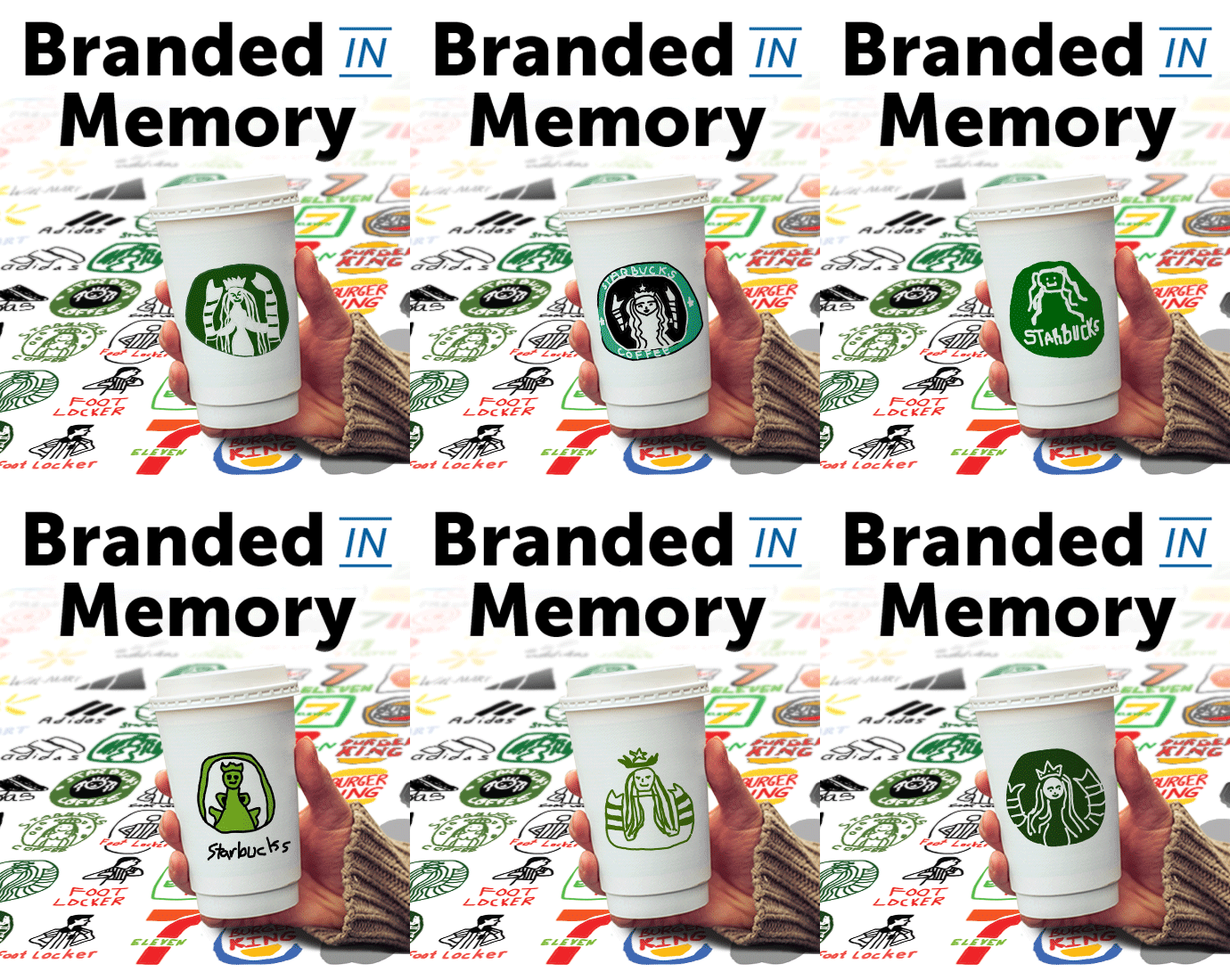
We asked 150 Americans to attempt to recall iconic logo designs and draw them as best as they could. In 80 total hours of data collection, we gathered over 1,500 individual logo drawings and graphed them from least accurate to most.
Social Shares: 360,924
Notable Features: Adweek, Bored Panda, Daily Mail
This campaign was shared more than 350,000 times, with over 150,000 of those shares coming from the Bored Panda placement alone. These illustrations visualized a fresh way of thinking about the human experience and how our perception and memory of the same thing can be vastly different among different people.
Brainstorming Illustrations
From cartoons to graphic novels, children and teens look up to inspirational figures in books, film, and TV as they grow up. These role models, typically embodying qualities such as selflessness and courage, often manifest in the form of superheroes.
However, for many kids, these superhero actors or character designs don’t look like them or reflect different styles of identity and expression. This can make it harder for them to relate to and see themselves in the stories.
Social Shares: 9,232
Notable Features: Observer, Slashfilm, Comicbook.com
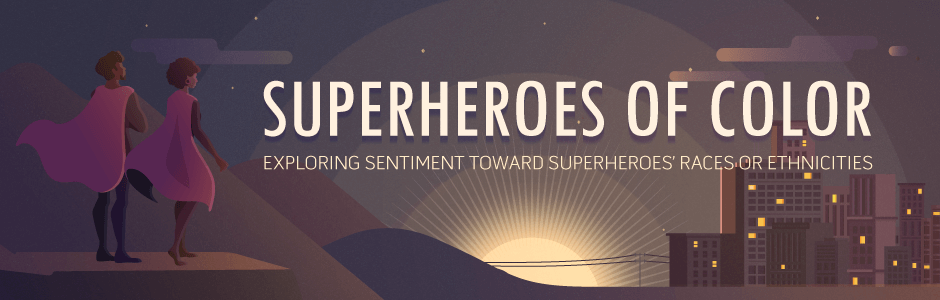
In this campaign, we asked 990 superhero comic book and film fanatics about their thoughts regarding race representation among superheroes and asked participants to illustrate their preferred superhero appearances.
Illustration Design Trends in 2026
Illustration continues to play an increasingly important role in digital storytelling as brands look for ways to communicate complex ideas clearly and visually. Recent design trends show a shift toward illustration-led content that prioritizes clarity, accessibility, and narrative over purely decorative visuals.
Several illustration design trends are influencing how these campaigns are created:
- Minimalist visual systems. Adobe predicts minimalist designs with bold typography will be a top trend. A simpler layout could improve comprehension and retention for your target audience.
- Editorial illustration over stock imagery. Custom visuals, such as infographics, often outperform generic imagery in terms of engagement, prompting more brands to work directly with illustrators during the design process.
- Typography working alongside illustration. Clear typographic hierarchy remains critical in digital publishing, with illustration style often designed to support headlines, labels, and annotations rather than compete with them.
- Growth of digital painting and illustration tools. According to Adobe research, 86% of global creators now incorporate AI-powered tools into their creative workflows, allowing illustrators to iterate faster, refine concepts more efficiently, and collaborate more closely across design teams.
These trends show how illustration has become an integral part of modern graphic design workflows, helping creative teams align visual storytelling with research, usability, and distribution goals.
Benefits of Illustration in Digital and Social Campaigns
Illustration offers several benefits in digital and social campaigns, including:
- Clear communication. Illustrations help break down complex ideas so audiences can quickly understand key takeaways without extensive context.
- Stronger visual recognition. Consistent illustration design helps marketing campaigns maintain a recognizable look across websites and social media channels.
- Higher engagement potential. Custom digital art stands out in crowded feeds, making content more likely to capture attention and encourage interaction.
- Flexible content use. Illustrated assets can be adapted across platforms while keeping the core message intact, helping campaigns reach the next level of visibility.
Turning Illustration Into Impactful Campaigns
These illustration examples show how marketing campaigns can be transformed into compelling visual stories when illustration is treated as a strategic part of the creative process. By grounding each campaign in data and insight, illustration becomes a way to clarify topics, invite participation, and spark meaningful conversation across digital channels.
At Fractl, illustration is one part of a broader distribution strategy designed to drive visibility beyond a single channel. Each campaign is built to perform across traditional search, social platforms, and emerging GenAI surfaces, supported by long-standing media relationships and a proven approach to multi-channel amplification.
Want to see how illustration can support your next campaign? Browse through more of our work to explore how Fractl combines research, creative strategy, and visual storytelling, or get in touch to learn how we can help turn your ideas into impactful, data-driven campaigns.