




Table of Contents
- Key Takeaways
- Why High-Authority Links Still Matter in the Age of AI
- Turn Proprietary Research Into Data Journalism Campaigns
- Use Reactive PR To Ride Breaking News Cycles
- Plan Proactive PR Around Seasonal Cycles and Expert Quotes
- Build Evergreen Link Magnets With Resources, Tools, and .gov/.edu Outreach
- Systematically Monitor the News for PR Angles
- Use AI To Scale Outreach and Content Without Sacrificing Quality
- Build a Digital PR Program That Earns High-Authority Links
Key Takeaways
- High-authority backlinks still drive rankings. 96% of top-10 sites have 1,000+ unique linking domains, making earned media one of the strongest signals for both search engines and LLMs.
- Proprietary research creates news. Data journalism campaigns built on original surveys and datasets generate surprising findings that journalists can’t source elsewhere, earning coverage and long-term backlinks.
- Speed wins reactive PR. Moving within 24 to 72 hours on breaking news with quick data pulls or expert commentary can generate hundreds of high-authority placements from a single story cycle.
- Proactive, cyclical outreach builds consistency. Planning quarterly around seasonal moments and pitching expert quotes ahead of editorial calendars delivers steady, highly relevant media coverage.
- AI amplifies strategy but doesn’t replace it. Use tools like ChatGPT, Claude, and LeadTime to scale list building, angle ideation, and drafting, then layer in human expertise, proprietary data, and editorial judgment.
Generative AI has made it possible to publish content at scale, but earning high-authority media coverage still requires strategy, original data, and genuine expertise. In a 2025 webinar on digital PR strategy, I walked through how to combine proprietary research, reactive newsjacking, and AI-powered workflows to consistently land high-authority placements and long-term SEO gains. This article recaps the most actionable frameworks, real campaign examples, and AI prompts from that session so you can start implementing them today.
Watch the full webinar:
Why High-Authority Links Still Matter in the Age of AI
As AI-generated content floods the web, search engines and their algorithms increasingly rely on trust signals to separate authoritative brands from thin, disposable sites. Backlinks from credible publishers remain one of the strongest of those signals.
Nearly all sites ranking in the top 10 (96%) have more than 1,000 unique linking domains, while just 0.3% have fewer than 100, meaning rankings often depend on who vouches for your content.
Trust is still expressed through high-authority links from mainstream outlets, respected niche publishers, and institutions like .gov and .edu domains. For the SMBs and startups we work with at Fractl, digital PR is about building a durable authority moat that future-proofs organic visibility across search engines and LLMs.
This is the core of modern digital marketing: as AI systems and large language models increasingly surface content based on source credibility, the brands with the strongest link profiles and media coverage will dominate both traditional SERPs and AI-generated answers. LLMs also pull heavily from platforms like Reddit and high-authority news sites when generating responses, which means brands cited in those places gain visibility across an entirely new discovery channel. The investment in high-quality backlinks pays dividends across every channel where algorithms determine visibility.
Turn Proprietary Research Into Data Journalism Campaigns
To earn media, you have to create news. The most reliable way to do that is by running proprietary research that journalists can’t find anywhere else.
At Fractl, we call these efforts data journalism campaigns: larger-scope, data-driven stories that yield surprising, emotionally resonant findings. They typically combine primary research (APIs, public datasets), surveys (large-scale or quick-pulse), and simple visualizations highlighting the most striking stats. The goal is always the same: spotlight surprise. Instead of confirming what everyone already assumes, the strongest digital PR campaigns uncover findings that make journalists stop scrolling.
Take our CouponFollow campaign on the best cities for thrifting:
By analyzing Yelp data and surveying over 1,000 Americans on secondhand shopping habits, we found that thrifters save nearly $1,800 per year.
That figure became the anchor for coverage in CNET, Real Simple, The Penny Hoarder, and dozens of other outlets.
Once the study is complete, we turn it into a dedicated landing page with clear methodology, key stats, actionable takeaways, and expert quotes that weave in the brand’s unique perspective. Hosting the research on the client’s site forces proper sourcing: journalists have a canonical resource to link back to, and many link both the homepage and the study page. This approach makes link building a natural byproduct of high-quality content creation rather than a separate initiative.
Here are a few tips for building your own data journalism campaigns:
- Choose topics with broad consumer appeal. Stories that tap into personal finance, health care, careers, or cultural trends tend to attract coverage from both mainstream and niche publishers.
- Lead with the most surprising stat. Your subject line and pitch should center on the single finding that catches a journalist’s attention.
- Include actionable advice. Pair data with expert commentary that tells readers what to do with the information.
- Design for attribution. Clear methodology sections and a well-structured landing page make it easy for journalists (and AI models) to cite your work properly.
Use Reactive PR To Ride Breaking News Cycles
If data journalism is your evergreen engine, reactive PR is your opportunistic turbocharger. The goal is to quickly add proprietary data or expert commentary to fast-moving stories before the news cycle moves on.
Several patterns make for strong reactive PR candidates:
 Major policy decisions |  Technological shifts |  Controversial topics with clearly opposing views |
When the Roe v. Wade decision dropped, we used Google Trends within 24 hours to document a 250% spike in vasectomy-related searches, then paired that data with commentary from our health care client.
That simple combination of free, real-time data plus credible expert analysis generated hundreds of placements across outlets like MSNBC and Katie Couric Media.
The same playbook worked when:
New York City schools banned ChatGPT. We quickly surveyed teachers about AI use, cheating concerns, and policy support.
The resulting study earned over 300 placements, including media coverage in The Wall Street Journal, USA Today, and Forbes. We then refreshed it weeks later with a map of additional states adopting similar restrictions, extending the coverage window and generating a second wave of backlinks.
Successful reactive PR hinges on speed and systems:
- Monitor news and journalist requests in real time. Use dedicated feeds, hashtags, and alerts, so you know the moment a story breaks.
- Keep lightweight research methods ready. Google Trends, mini-surveys, and public datasets let you generate original data within hours.
- Pitch within 24 to 72 hours. PR professionals who move fast while the story is still developing capture the lion’s share of coverage.
- Tailor angles for each vertical. A single data set can support pitches to health, finance, education, and general interest outlets.
Plan Proactive PR Around Seasonal Cycles and Expert Quotes
While reactive wins get the adrenaline pumping, the baseline of a sustainable PR strategy is proactive, cyclical outreach.
I recommend quarterly planning around seasonal moments (holidays, back-to-school, summer travel), industry-specific cycles (tax season, hiring booms, major conferences), and recurring consumer needs (energy bills, financial literacy, health themes).
For proactive PR, you don’t always need a full-blown data study. Often, a strong expert quote, guide, or mini-survey is enough, provided you pitch ahead of time. We’ve placed client experts in outlets like GoBankingRates and Newsweek by responding to journalists’ requests for commentary on seasonal topics like:
 Holiday energy costs |  Thanksgiving dinner inflation |  Back-to-school spending |
The key is timing. If you wait until journalists are publishing their seasonal stories, you’ve already missed the window. Pitch expert quotes and guides weeks before key dates, while reporters are still building their editorial calendars. Many proactive outreach efforts start with monitoring social media platforms where journalists actively seek industry experts.
These assets tend to be more on-brand and mid- to bottom-funnel, aligning closely with what the business actually sells. They might not generate hundreds of backlinks, but they attract highly relevant placements from outlets your customers read, while steadily building thought leadership for your subject-matter experts. Over time, proactive PR creates a steady cadence of brand mentions that compound into real authority.
These are the proactive use cases that consistently earn coverage:
- Expert quotes on seasonal trends. Energy costs during holidays, travel spending in summer, financial planning at year-end.
- Mini-surveys on timely topics. Teacher sentiment on back-to-school budgets, consumer confidence around major shopping events.
- Prediction pieces. Sharing data-backed forecasts on industry shifts, especially around AI’s impact on electricity demand, careers, or consumer behavior.
Build Evergreen Link Magnets With Resources, Tools, and .gov/.edu Outreach
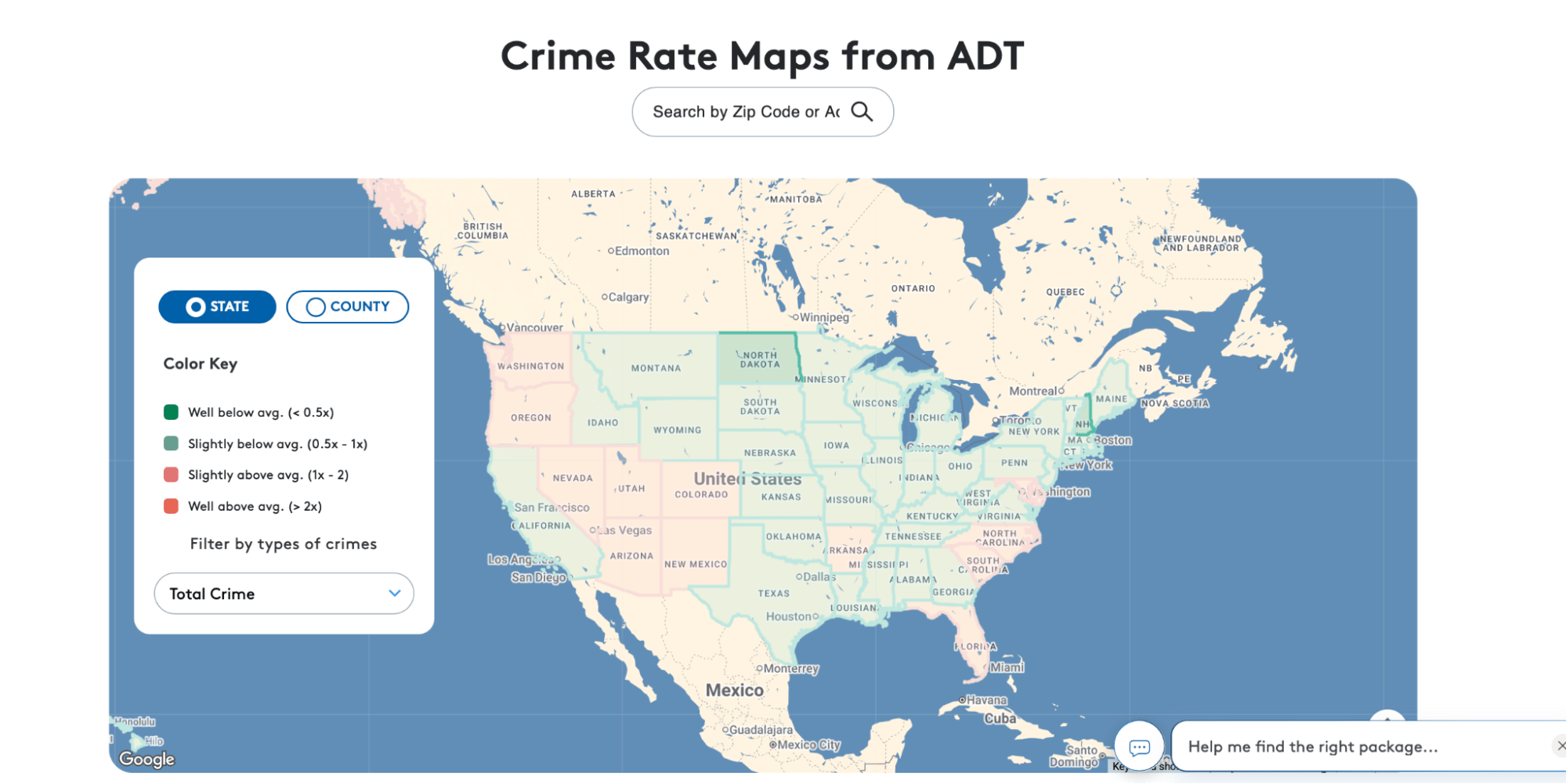
Beyond news-driven campaigns, we also invest in evergreen resources and interactive tools designed to earn authority over the long term. These include in-depth resource guides (2,000 to 4,000+ words) on broad, public-interest topics, as well as calculators and interactive tools addressing specific pain points like cost estimators or health risk visualizers.These pieces may only attract a dozen or so links each, but the links often come from .gov and .edu domains, which carry outsized SEO value. This ADT crime map, for instance, continues to earn links from government and educational sites years after launch because it serves as a genuinely useful public resource.
To succeed with this approach, one rule is non-negotiable:
Strip overt conversion copy from these pages.
Government and university sites are far more willing to link to resources that feel purely educational. Leave the calls to action for other parts of your site. Here, your job is to be the most comprehensive, accessible, and neutral explainer on a topic that matters to a broad audience.
I also recommend scanning your own site to find underutilized resources you can upgrade into true linkable assets.
A simple “site:” search in Google can reveal pages that already attract some organic traffic but lack the depth or structure to earn inbound links.
Refreshing those pages with stronger data, better formatting, and clearer methodology can turn them into evergreen link magnets without starting from scratch.
Systematically Monitor the News for PR Angles
Finding PR opportunities is a matter of building a reliable media monitoring stack, not waiting for lightning to strike. Here are the pillars I rely on for keeping a constant radar for both reactive and proactive angles.
Social Media Hashtags and Journalist Lists
Track #journorequest and #prrequest on X daily. These hashtags see thousands of posts where journalists explicitly ask for experts, data, or case studies. Build private journalist lists organized by beat (education, finance, health care, technology) and scan them each morning for relevant requests. This is one of the lowest-cost, highest-return PR tools available and a strong entry point for PR teams just starting their digital PR programs.
Search Trend Tools
Use Google Trends paired with tools like Glimpse to spot breakout keywords and quantify demand spikes in real time. Set alerts for terms relevant to your industry so you know the moment interest crosses a growth threshold. Spikes in searches for “AI headshot generator” or “election betting odds,” for example, can signal reactive opportunities before major outlets have covered the angle. Ahrefs is another useful tool for tracking backlink gaps and identifying which competitors are earning links on trending topics.
Content Discovery and Community Platforms
BuzzSumo feeds for your vertical, relevant subreddits where early conversations foreshadow media coverage, newsletters focused on breaking news or niche beats, and podcast discussions in your industry can all surface angles before they go mainstream. Influencers and thought leaders in your space also often signal emerging topics worth tracking.
Event and Holiday Calendars
Maintain or reference PR calendars so you can pitch seasonal content weeks, not days, before key dates. The best proactive campaigns are pitched well in advance, giving journalists time to incorporate your data or expert quotes into their planned coverage.
Together, these tools form a monitoring system that surfaces opportunities continuously, replacing ad hoc brainstorming with a structured, data-driven approach to finding angles. Tracking metrics and KPIs like response rates, placements per pitch, and referral traffic from each tactic helps you optimize the stack over time.
Use AI To Scale Outreach and Content Without Sacrificing Quality
Artificial intelligence can amplify a good PR strategy rather than replace it. The distinction matters: generative AI is powerful, but using AI without editorial judgment produces the kind of thin, AI-generated content that search engines are already learning to discount.
AI-Powered Media List Building and Outreach
We built LeadTime, our AI-powered PR workflow platform, which takes a campaign landing page as input and uses semantic search to find journalists whose author archives closely match the campaign’s topic. It generates media lists of hundreds of relevant contacts in seconds, surfaces trending news for pitch angle inspiration, and scrapes social and professional profiles to inform personalization. In practice, this means PR teams spend less time on manual list building and more time evaluating opportunities, talking to journalists, and refining ideas. The functionality that once took days now takes minutes.
Even without a dedicated platform, AI tools like ChatGPT and Claude can be capable assistants for digital PR workflows, such as:
 Beat definition Ask an AI chatbot to define the journalist beats most relevant to your campaign, then use those definitions to filter databases or search results. |  Subject line brainstorming Have the model generate subject lines optimized for surprise and tailored to specific outlet audiences. |  Writer matching Feed multiple author archives into an LLM and ask which writer is the better fit for your pitch, and why. This approach to using AI saves hours of manual research. |
 Trend surfacing Use GPT or Claude to scan recent news and propose pitch angles you might have missed. |  Sentiment analysis Run AI models across social media conversations and press releases to gauge public reaction to breaking news, then use those insights to sharpen your pitch angle. |
AI-Assisted Content Creation for SEO

For rank-worthy content, I caution against mass-generated AI content that mimics low-effort copywriting.
Instead, I advocate for agentic pipelines where one AI “agent” acts as a creative strategist and another serves as a rigorous editor and fact-checker.
The system synthesizes existing content, drafts outlines and articles, then demands sources for every claim and flags outliers. This workflow can automate the most time-consuming parts of content creation while maintaining high-quality output.
One important caveat: AI models can hallucinate statistics, fabricate sources, and inherit biases from their training data. PR professionals should treat every AI-generated draft as a starting point that requires human fact-checking, not a finished product.
Build a Digital PR Program That Earns High-Authority Links
Humans still add firsthand experience, proprietary data, and final judgment. This combination meets Google’s quality standards and modern E-E-A-T expectations while delivering massive efficiency gains. Machine learning and AI technology will continue changing how PR agencies and in-house PR teams work. The ones who learn to work alongside AI systems now, treating their outputs as first drafts rather than finished products, will be the ones who keep and advance their roles as adoption accelerates.
If you’re ready to build a digital PR program that earns high-authority links and drives lasting organic growth, explore Fractl’s content marketing and digital PR services to see how we can help.