




Table of Contents
- What Are AI Overviews and Featured Snippets?
- What Influences AI Overviews and Featured Snippet Selections
- How To Optimize Content for Featured Snippets
- How To Optimize Content for AI Overviews
- How Digital PR Drives SERP Feature Visibility
- How To Measure Brand Visibility in SERP Features
- Your Brand's Visibility Depends on More Than On-Page Optimization
- FAQs
Google’s search results page looks nothing like it did two years ago. AI Overviews (AIOs) now appear for most search queries, synthesizing answers from multiple sources before users ever reach a traditional blue link.
Featured snippets still hold prominent real estate at position zero, though. Generative engine optimization (GEO), sometimes referred to as the search generative experience (SGE), is also reshaping how brands think about search visibility altogether.
These SERP features are fundamentally altering which brands get seen, clicked, and trusted. The brands that show up in AIOs and featured snippets increase visibility disproportionately, while everyone else competes for shrinking organic real estate below the fold.
But the factors that determine which brands appear in these positions aren’t purely technical.
Yes, content structure matters. But domain authority, earned media coverage, and brand recognition play an equal role in whether search engines select your content for these premium placements.
I’ll walk through what AIOs and featured snippets are, the factors that influence which brands earn those positions, and the digital PR strategies that build the authority signals both features reward.
What Are AI Overviews and Featured Snippets?
Before you can optimize for these search features, you need to understand how they work, where they differ, and why both matter for brand visibility in Google search results.
How Google’s AI Overviews Work
AIOs are AI-generated summaries that appear at the top of Google’s search results page for informational queries. Powered by Gemini, Google’s AI models pull information from multiple web pages to synthesize a comprehensive answer to the user’s query. Unlike traditional organic results that link to a single page, AIOs compile information from several sources and present it as a unified, AI-generated answer at the top of the search results.
The fallout has been significant. Featured snippet visibility dropped 64% in the first half of 2025, falling from 15.41% to 5.53% of SERPs as AIO appearances surged from 3.93% to 27.43%. Google’s AI mode, which lets users ask follow-up questions within the search interface, has further expanded how AI-powered search handles complex and conversational search queries.
What matters most here for brand visibility is that AIOs don’t randomly select sources: 92.36% of AIO citations link to domains ranking in the top 10 organic results. That means the same authority signals that drive traditional search engine rankings, like backlinks, brand mentions, and topical relevance, also determine whether your brand appears in AI-generated summaries.
Types of Featured Snippets and How They Display
Featured snippets are curated answer boxes that appear at position zero, above the traditional organic search results. Google selects a single page to feature, displaying a direct answer to the searcher’s query. Despite the growth of AIOs, featured snippets still earn an 8.6% click-through rate when they appear, pulling clicks away from the standard organic results below. That makes them one of the highest-value SERP features for driving organic search traffic.
The main types of featured snippets include:
- Paragraph snippets. A short text block (typically 40 to 60 words) that directly answers a search query. These are the most common type, triggered by “what is” and “why” questions.
- List snippets. Bulleted or numbered lists pulled from a page’s content. Ordered lists appear for step-by-step processes; unordered lists appear for non-sequential items like features or tips.
- Table featured snippets. Structured data displayed in a table format, typically triggered by comparison or data-based queries.
- Video snippets. Video content (usually from YouTube) featured with a timestamp and preview, triggered by “how to” queries where visual demonstration adds value.
Each format serves a different search intent, and understanding which type Google favors for your target keywords is the first step toward winning that top-of-Google position.
AI Overviews vs. Featured Snippets: Key Differences
While both features aim to give searchers a quick answer, they work differently and carry different implications for brand visibility. Here’s an at-a-glance comparison:
| Dimension | Featured snippets | AI Overviews |
|---|---|---|
| Source | Single web page | Multiple web pages synthesized by AI |
| Format | Paragraph, list, table, or video | AI-generated summary with source citations |
| Position | Position zero (above organic results) | Top of search results page (above everything) |
| Click-through rate | ~8.6% | 58% CTR reduction for position 1 when present |
| Brand attribution | Clear: your page is the sole source | Shared: your brand is one of several cited sources |
| Trigger queries | Question-based, definitional, “how to” | Broad informational queries, complex questions |
| Algorithm | Traditional ranking algorithms + format matching | Gemini (generative AI) + retrieval from indexed pages |
The CTR difference is striking, but it doesn’t tell the whole story. Featured snippets drive significantly higher click-through rates, but AIOs influence brand perception for a much larger share of search queries. A brand that appears in both captures visibility across the full spectrum of how Google’s search results now function.
What Influences AI Overviews and Featured Snippet Selections
Both AIOs and featured snippets reward overlapping authority and content signals, but with important differences in how those signals are weighted. Understanding these factors is what separates brands that consistently appear in SERP features from those that don’t.
Content Structure and Formatting
Content structure is the most directly controllable factor in SERP feature selection. Both featured snippets and AIOs favor content that’s organized in a way that makes it easy for algorithms and AI models to parse, extract, and display.
Structure is everything for featured snippets. Google’s search engine looks for content that directly matches the format it wants to display: a concise paragraph for definitional queries, a numbered list for step-by-step processes, or an HTML table for comparison data. The answer should appear right after the heading that poses the question, and it should be self-contained enough to stand alone as a quick answer.
The priorities shift slightly for AIOs. Microsoft’s guidance on AI search inclusion explains:
AI models parse content into modular pieces for ranking and assembly.
That means these are the things that will improve your content’s chances of being selected:
 Clear headings and subheadings that match the user’s query |  Concise paragraphs (150 to 300 words per section) |  Content structured so each section answers a specific question |
Here are a few specific formatting tactics that support both features:
- Answer-first paragraphs. Lead each section with a direct answer in 40 to 60 words, then expand with supporting detail. This gives Google a clean extraction point.
- Question-based headers. Match your H2 and H3 headings to actual search queries and the user’s question. Use the exact phrasing that searchers use.
- Structured data formats. Use bulleted lists, numbered lists, and tables where appropriate. These aren’t just good for user experience; they signal to search engines that your content is organized for extraction.
- Clean HTML. Properly nested heading tags (H1, H2, H3), semantic markup, and minimal layout noise help crawlers and AI models process your webpage efficiently.
Domain Authority and Organic Rankings
Content structure gets you considered; domain authority gets you selected. This is the factor that separates theoretical optimization from actual SERP feature wins.
Nearly all AIO citations (92.36%) come from pages ranking in the top 10 organic results. The pattern is similar for featured snippets:
Google overwhelmingly selects from pages that already rank on the first page.
You can have perfectly formatted content, but if your page sits on page two of organic search results, it’s unlikely to be selected for either feature.
We build domain authority primarily by earning backlinks from high-quality, authoritative websites. This is where digital marketing strategy and SEO strategy converge: the same earned media placements that build brand awareness also generate the backlink profiles that drive organic rankings and SERP feature eligibility.
A single placement in a major news outlet can deliver more of an authority signal than months of technical optimization. When big publishers like CNN, Business Insider, or Forbes link to your content, it’s a ranking signal that makes every page on your domain more competitive for featured snippets and AIO citations, helping you reach new audiences through multiple marketing channels.
Fractl Case Study: ZipHealth
We saw this firsthand with a campaign for ZipHealth’s sober sex survey, which explored how Americans and Brits experience intimacy without alcohol. The campaign’s survey data produced specific, quotable findings (43% of Brits said sober sex deepened emotional connection; nearly half reported more intense orgasms when sober) that made it easy for journalists to cite.
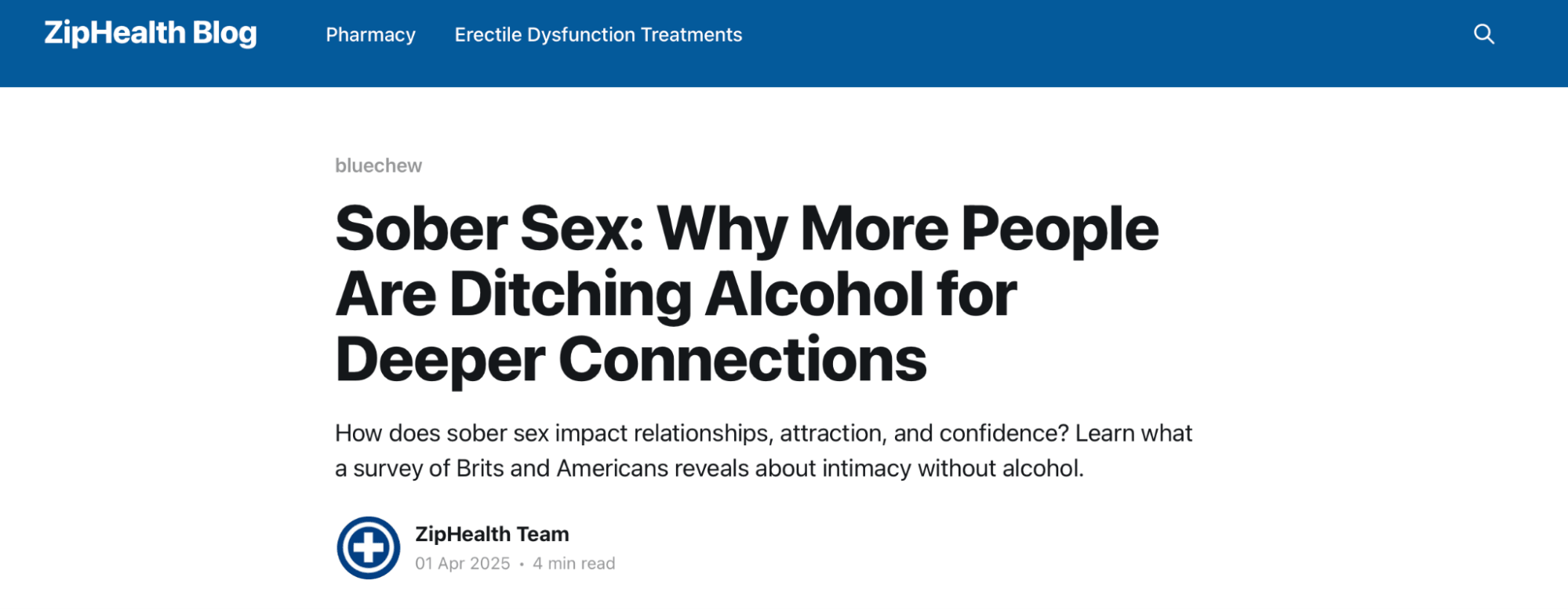
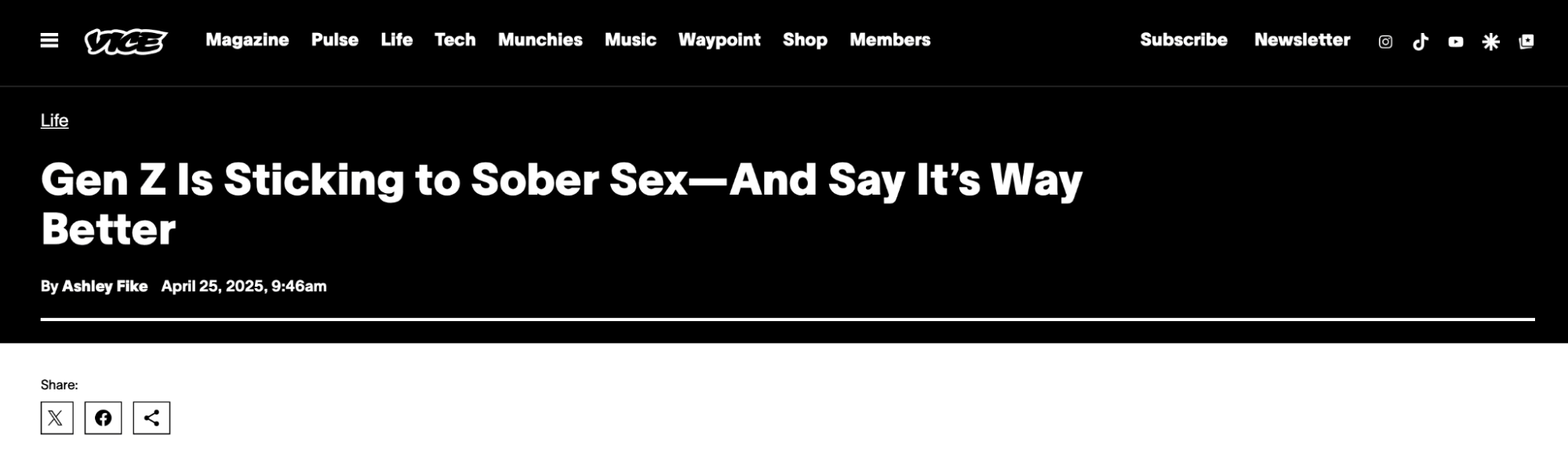
Vice picked up the story with a follow-backlink to the campaign landing page, and ZipHealth’s domain rating climbed 7 points following the April 2025 placement. That’s a single earned media hit translating directly into the kind of authority signal that improves SERP feature eligibility across the entire domain.
E-E-A-T and Brand Authority Signals
Google’s E-E-A-T framework (expertise, experience, authoritativeness, trustworthiness) directly influences which brands appear in SERP features. AI models prioritize content from recognized entities with strong brand signals, and both featured snippets and AIOs weigh trustworthiness heavily when selecting sources.
The signals that build E-E-A-T for SERP feature selection include:
- Author credentials. Content tied to real authors with verifiable expertise performs better. Author pages with bios, credentials, and linked publications strengthen these signals.
- Brand mentions across authoritative sources. When your brand is mentioned consistently in high-authority publications, Google’s knowledge graph builds stronger entity associations. Brand recognition isn’t just a marketing metric; it’s a ranking signal.
- Schema markup. Organization, Author, and Article schema help search engines connect your content to your brand entity, improving your chances of being selected for SERP features.
- Brand identity consistency. Your brand name, messaging, and expertise areas should be consistent across your website, social media presence, and external mentions. This helps build the strong brand signals that AI models rely on.
E-E-A-T isn’t something you can fake with on-page tweaks. It’s built through sustained investment in content quality, earned media, and genuine expertise, which is why brands with active digital PR programs tend to dominate SERP features. These signals build trust with both search engines and your target audience.
Content Freshness and Recency
AIOs have a strong recency bias: 28.76% of AIO citations come from content published in 2025, 26.85% from 2024, and only 11.83% from 2023.
Fresher content gets cited more frequently. So, here’s what this means for your content strategy:
Pages targeting queries where AIOs appear need regular updates with current data, recent examples, and fresh insights.
A page published two years ago with outdated statistics is unlikely to be cited in an AIO, even if it ranks well organically.
Featured snippets also reward freshness, though less aggressively. Google is more likely to select a recently updated page over a stale one when both offer similar content quality and formatting. Regular content refreshes that update data points, add recent examples, and refine formatting can help maintain snippet positions over time.
How To Optimize Content for Featured Snippets
Featured snippet optimization is a specific discipline within search engine optimization, and the tactics that win snippets also improve your chances of appearing in AIOs. Here’s how to approach it systematically.
Identify Featured Snippet Opportunities Through Keyword Research
Not every query triggers a featured snippet, so the first step is finding the right featured snippet opportunities to target. Here’s how to identify them:
- Filter for snippet-triggering queries. Tools like Semrush and Ahrefs let you filter keyword research results to show only queries where a featured snippet currently appears. Focus on long-tail keywords and relevant keywords with clear search intent, as these trigger snippets more consistently.
- Target question-based search terms. Queries starting with “what,” “how,” “why,” and “when” are the most common snippet triggers. Mine People Also Ask clusters, related questions, and related keywords from those clusters for additional targets.
- Look for weak snippets. Identify queries where the current snippet holder provides an incomplete or poorly formatted answer. These are your highest-probability displacement opportunities.
- Analyze search volume against competition. Prioritize targeted keywords with meaningful search volume where your domain already ranks on the first page, since ranking on page one is typically a prerequisite for snippet selection.
- Mine your own data. Google Search Console can reveal queries where you’re ranking in positions two through five but don’t hold the snippet. These represent the closest opportunities, since you already have the organic ranking foundation.
Format Content To Win Paragraph, List, and Table Snippets
Once you’ve identified your target queries, formatting your content to match Google’s featured snippets display preferences is critical. Each snippet type has specific formatting requirements:
 For paragraph snippets Answer the question directly in 40 to 60 words immediately following a heading that contains the target keyword or question. Keep the language clear and declarative, avoiding hedge words. Google favors content that provides a direct answer without unnecessary preamble. |  For list snippets Structure your content as an HTML ordered or unordered list with parallel, concise items. Each list item should be self-explanatory. For step-by-step content, use a numbered list with action-oriented lead-ins. Google often pulls lists that use consistent formatting and clear hierarchy. |  For table featured snippets Use properly structured HTML tables with descriptive header rows. Keep cell content concise (a few words to a short sentence). Tables work best for comparison data, pricing, specifications, or any content where users need to compare values across categories. |
The key principle across all formats: match the expected format exactly. If Google currently displays a list snippet for a query, don’t try to win it with a paragraph. Study what’s currently showing in Google’s SERPs for your target keywords and structure your content accordingly.
Technical SEO Signals That Support Snippet Selection
While content formatting drives snippet selection directly, several technical on-page SEO signals support your overall eligibility:
- Schema markup. FAQ, HowTo, and Article schema help Google understand your content’s structure and intent, making it easier to select for SERP features.
- Internal linking. Pages with strong internal link equity and a clear site structure are more likely to be selected. Link related content together to reinforce topical authority.
- Page speed. Core Web Vitals (page load time, interactivity, visual stability) don’t directly trigger snippets, but they influence the overall page quality signals that make a page eligible.
- Mobile optimization. With the majority of searches happening on mobile, your content needs to render cleanly on smaller screens. Snippet-formatted content that breaks on mobile won’t be selected.
How To Optimize Content for AI Overviews
AIO optimization (what the industry is increasingly calling GEO) overlaps with snippet optimization but requires additional considerations around how large language models process and cite content. AI-powered search evaluates whether your content is trustworthy, specific, and structured in a way that AI-driven systems can reference.
Write Clear, Citable Claims That AI Models Can Reference
Large language models select content with specific, factual claims over vague generalizations. When an LLM is assembling an AI-generated answer, it needs content it can confidently attribute, and vague advice doesn’t meet that bar.
To make your content more citable for AI features:
- Lead with concrete data. Start key sections with specific numbers, percentages, or findings rather than general statements. “Domain authority increased 15% in four months” is more citable than “results improved significantly.”
- Name specific methodologies. When you describe a process or framework, name it. AI models reference named approaches more reliably than generic descriptions.
- Avoid hedge language. “Email marketing drives higher ROI than paid social” is more citable than “Email marketing may potentially drive higher ROI.” Specificity and confidence make your content more useful for AI summaries.
- Include source citations. Content that cites authoritative sources is itself treated as more authoritative. AI tools prioritize high-quality content that demonstrates its claims with evidence.
Fractl Case Study: Payless Power
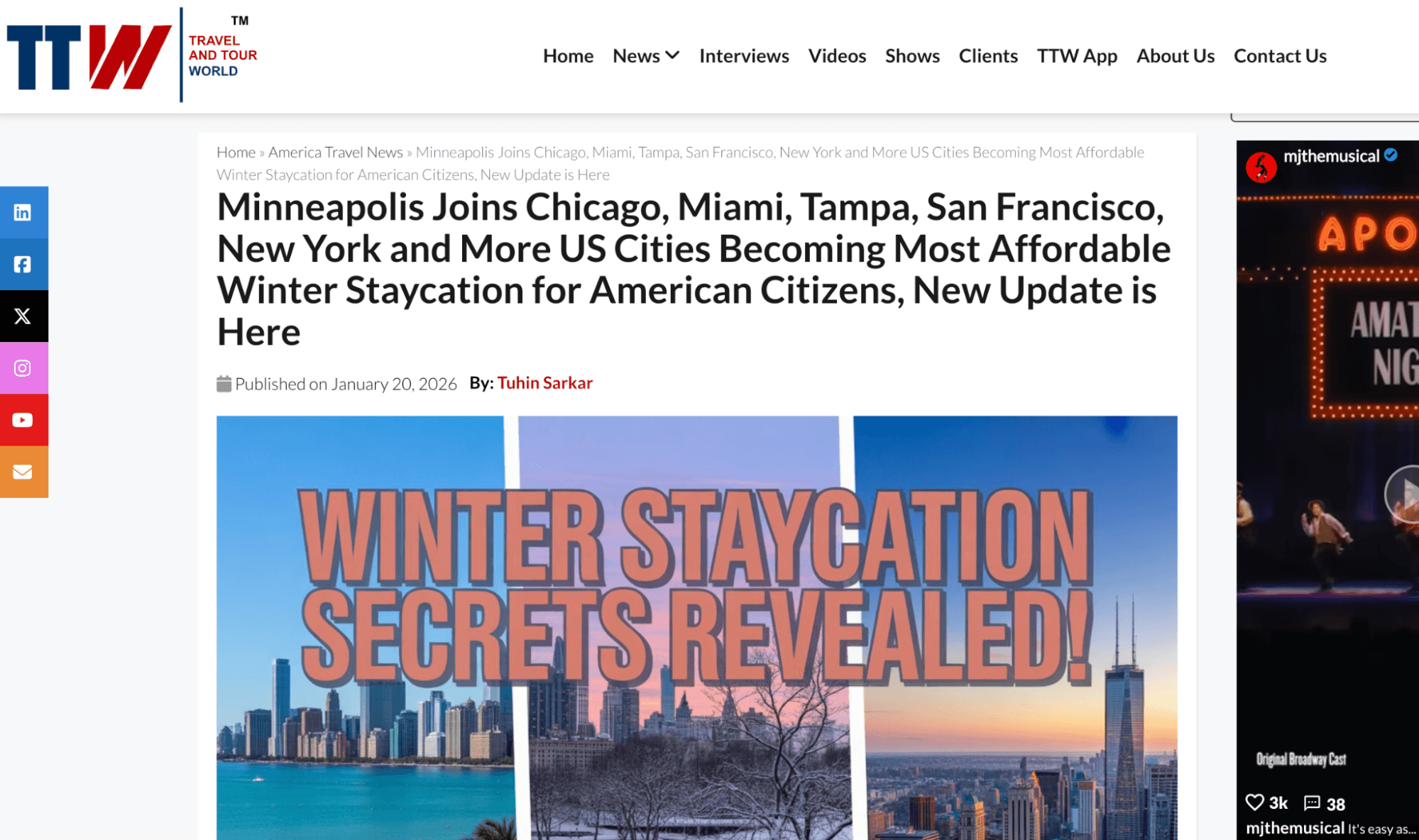
The “Most Affordable Winter Staycation Cities” campaign we produced for Payless Power used a weighted composite score built from five data sources to rank U.S. cities on staycation affordability. Every finding was structured for easy extraction: Minneapolis, Chicago, and New York ranked as the top overall cities; Omaha had the lowest electricity costs at 11.53¢/kWh; New York led with 213 free attractions.
These are the kind of concrete, specific claims that journalists (like Tuhin Sarkar at Travel and Tour World) quote directly and AI models can confidently cite, because each one maps back to a named source and a clear methodology.
Build Authority Signals Across Multiple Platforms
AIO selection correlates with multi-platform brand presence. When your brand appears consistently across social media platforms, news coverage, industry publications, and forums, AI models develop stronger associations between your brand and the topics you want to be known for.
A brand that only publishes on its own blog has a narrower authority footprint than one with active brand exposure across LinkedIn, TikTok, podcasts, and earned media placements.
Each platform creates additional touchpoints where AI models encounter your brand in authoritative contexts.
Influencers and industry experts who reference your brand’s research or methodology create another layer of brand mentions that AI models process during training. Social media engagement, social listening insights, and your overall online presence all contribute to the entity signals that determine AI citation patterns.
Kelsey Libert’s research on how AI media partnerships influence brand visibility in generative AI explores this dynamic in depth, showing how brands that invest in multi-channel marketing strategies build the kind of presence that both search engines and AI platforms recognize.
Fractl Case Study: Tebra
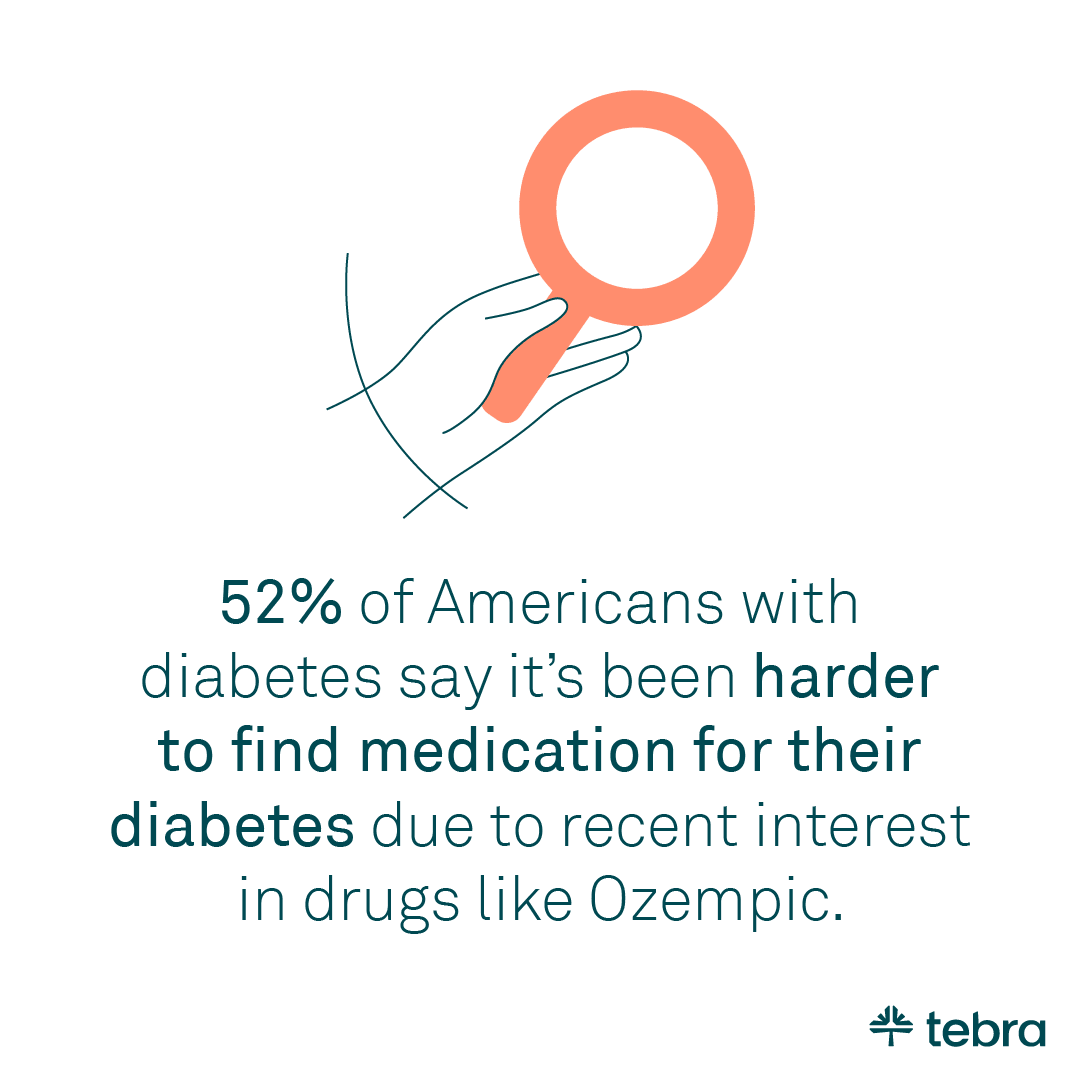
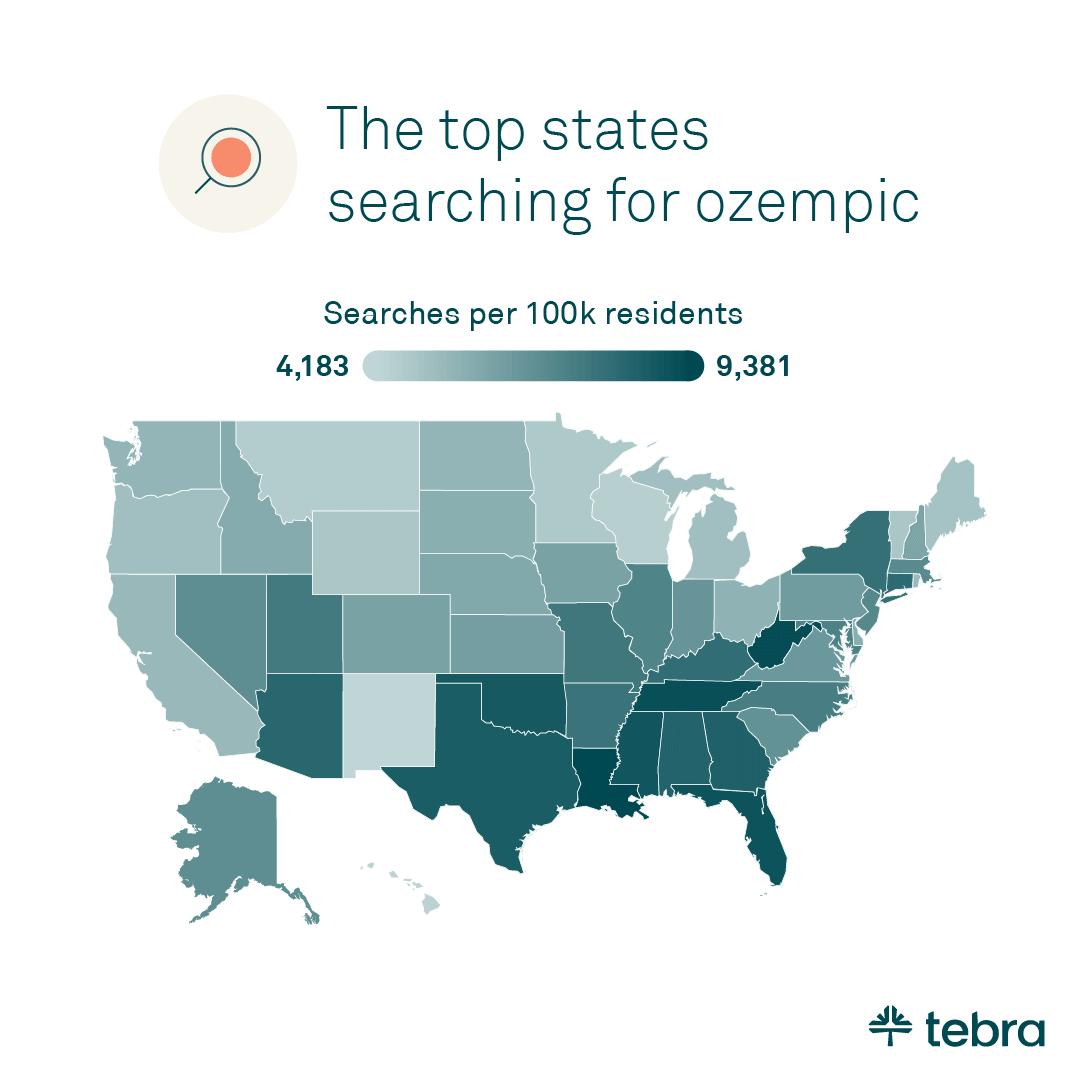
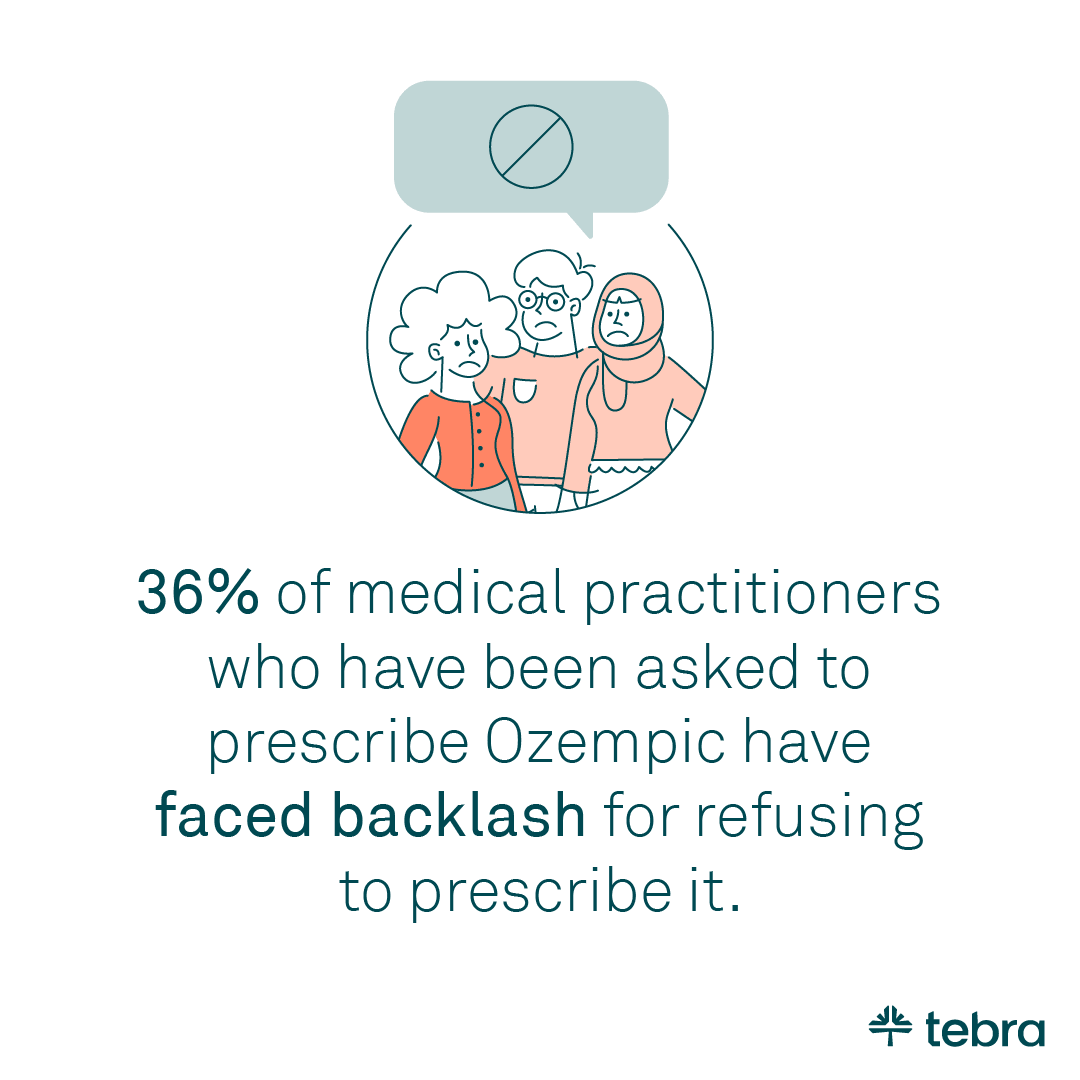
For Tebra’s “Searching for Ozempic” campaign, we surveyed over 1,000 Americans (including medical practitioners) about Ozempic use for weight loss and paired the findings with search volume analysis showing where demand was highest. The research produced a set of shareable, visual data points that generated coverage across news outlets and social media, with the campaign’s Instagram-ready data visualizations driving additional sharing beyond traditional press placement:
For Tebra’s “Searching for Ozempic” campaign, we surveyed over 1,000 Americans (including medical practitioners) about Ozempic use for weight loss and paired the findings with search volume analysis showing where demand was highest. The research produced a set of shareable, visual data points that generated coverage across news outlets and social media, with the campaign’s Instagram-ready data visualizations driving additional sharing beyond traditional press placement:
 |  |  |
Optimize for Voice Search and Conversational Queries
AIO is heavily triggered by conversational and voice search queries, the kind of natural-language questions people ask when they’re speaking rather than typing. Most long-tail queries (four or more words) trigger AIOs (60.85%), which means optimizing for these query types directly increases your AIO eligibility.
To capture conversational search queries:
- Target natural language phrases. Write headings and content that match how people actually ask questions, not just how they type keywords.
- Use FAQ sections with schema markup. FAQ schema helps search engines identify question-answer pairs on your page, increasing the likelihood of citation for informational queries.
- Answer follow-ups. AIOs support follow-up questions within the search interface. Structure your content to anticipate and answer the natural next question after each section.
- Write in a conversational but authoritative tone. AI models favor content that balances accessibility with expertise, matching the conversational user queries that trigger AIOs.
How Digital PR Drives SERP Feature Visibility
Most guides on featured snippets and AIOs focus exclusively on on-page tactics: format your content, add schema, use the right headings. Those SEO strategies aren’t wrong, but they don’t give you the full picture. The authority signals that determine SERP feature eligibility are largely built off-page through digital PR and earned media. This is the factor most brands miss, but where the biggest competitive advantages are.
Why Earned Media Is the Missing Factor in SERP Feature Strategy
The causal chain looks like this: earned media placements from high-authority publishers generate backlinks and brand mentions. Those signals build domain authority. Higher domain authority drives higher organic rankings. And higher organic rankings make your pages eligible for featured snippets and AIO citations.
Remember: 92.36% of AIO citations come from pages ranking in the top 10 organic results. You can’t format your way into an AIO if your page sits on page three.
You need the authority foundation first, and earned media is the most efficient way to build it.
This is why on-page optimization alone isn’t enough for a good SEO strategy. A perfectly structured page on a low-authority domain won’t win a featured snippet over a reasonably structured page on a high-authority domain. The off-page SEO signals, especially the search traffic and website traffic gains that come from improved organic rankings, are what make SERP feature optimization actually work.
Case Studies: How Data-Driven Campaigns Earn SERP Feature Visibility
At Fractl, we’ve seen this pattern play out across client campaigns where earned media directly led to SERP feature gains. The throughline in every case is the same: original, data-driven marketing campaigns earn media coverage, which builds the authority signals that search engines reward with premium placements.
Here are a few key examples of what our work has done for clients’ visibility:
 McAfee: 586 featured snippets captured We produced rank-worthy content, including resource guides and pillar pages for McAfee’s cybersecurity blog. The results: a 12% increase in organic traffic in four months, a $324,927 monthly increase in traffic value, and 586 high-value featured snippets captured. We also elevated 32 pages to the top position in search engine results. The key was combining in-depth, well-structured content with the domain authority McAfee had built through ongoing earned media campaigns. |  Payless Power: 25% organic traffic increase Our campaigns for Payless Power secured 1,208 press mentions, including 450 from high-authority publishers with a domain authority above 60. The earned media coverage drove a 55% increase in referring domains and a $57,351 monthly increase in traffic value. That authority foundation didn’t just improve rankings; it made Payless Power’s content eligible for SERP features it previously couldn’t reach. Placements in outlets like Yahoo, USA Today, and the Houston Chronicle built the kind of domain authority that algorithms reward with featured snippets and AIO citations. |  Adobe: 390 referring domains from 9 campaigns We produced nine data journalism campaigns for Adobe that earned 390 new referring domains and drove 56,000 new monthly visits. Each campaign generated structured citations and pull quotes that journalists referenced, creating exactly the kind of authoritative, citable content that AI models and featured snippet algorithms favor. |
Building a Sustained Brand Visibility Strategy
One-off optimization doesn’t build lasting brand visibility in SERP features. The brands that consistently appear in featured snippets and AIOs invest in three pillars simultaneously:
- On-page content optimization. Structure content for snippet and AIO formatting. Keep it fresh with regular updates. Target the right audience with the right keywords and formats.
- Off-page authority building. Invest in digital PR and content marketing that earns coverage from high-authority publishers. This builds the domain authority and brand presence that make SERP feature selection possible.
- Measurement and iteration. Track which pages win SERP features, monitor competitor movements, and refine your approach based on data rather than assumptions.
This integrated marketing strategy is what separates brands that appear in SERP features sporadically from those that dominate them consistently. It’s not enough to optimize your existing customers’ FAQ page for featured snippets if your domain doesn’t have the authority to compete. And it’s not enough to build authority if your optimized content isn’t structured for extraction.
The brands that win are the ones building brand identity, brand image, and brand presence across both dimensions simultaneously, creating the kind of top-of-mind recognition and customer loyalty that both algorithms and potential customers reward.
Kelsey Libert has explored this integrated approach in her research on optimizing content strategy for AI-powered SERPs and LLMs and her analysis of the new era of brand visibility across SEO, GEO, and ASO.
Ready to build the authority signals that earn premium SERP placements? Explore Fractl’s digital PR and content services to see how we help brands show up where it counts.
How To Measure Brand Visibility in SERP Features
Measurement is where most brands fall short. They invest in optimizing for featured snippets and AIOs but don’t systematically track whether those efforts are working. Without clear metrics and a consistent workflow, you’re guessing.
Key Metrics for SERP Feature Visibility
Track these metrics to measure brand visibility across SERP features:
- Featured snippet win rate. The percentage of your target keywords for which you hold the featured snippet. Track gains and losses over time.
- AIO citation frequency. How often your brand or pages are cited in AI-generated answers for relevant queries. This is a newer metric, but it’s becoming central to any GEO measurement approach.
- Organic CTR changes. Monitor click-through rate shifts on pages that gain or lose SERP features. Featured snippets typically boost CTR; AIOs can reduce it for uncited brands.
- Branded search volume. Increases in people searching for your brand name directly indicate growing brand awareness and brand recall, which correlates with SERP feature visibility.
- Share of voice in SERP features. Your brand’s presence relative to competitors across featured snippets, AIOs, People Also Ask, and other SERP features.
- Domain authority trends. While not a direct Google ranking factor, domain authority provides a useful proxy for your site’s overall authority signals and your conversion rate from optimization efforts to actual SERP feature wins.
Tools and Workflow for Tracking SERP Feature Performance
The right tools make measurement systematic rather than ad hoc:
- Google Search Console. Your baseline for query-level impression and click data, including which queries trigger SERP features where your pages appear. Filter by search appearance to isolate snippet performance.
- Semrush and Ahrefs. Both platforms track featured snippet ownership and SERP feature changes over time. Use their keyword research tools to identify new snippet opportunities and monitor competitor movements through a centralized dashboard.
- Manual AIO testing. Systematically test your brand’s presence in ChatGPT, Perplexity, and Google AIOs for your target queries. Automation for this is still emerging, but manual testing remains the most reliable method.
- Brand monitoring platforms. Tools that track brand mentions across news, social media, and web sources help connect earned media activity to SERP feature changes.
The most valuable workflow combines these data sources into a monthly review. When you can trace how a marketing campaign generated media mentions, which mentions drove backlinks, and whether your brand’s SERP feature visibility changed afterward, you can measure the full impact of your strategy and extract valuable insights about what’s working.
Your Brand’s Visibility Depends on More Than On-Page Optimization

AIOs and featured snippets represent the highest-visibility real estate in search engine results pages. As generative search continues to reshape discovery, winning those positions requires more than formatting tricks. It requires the kind of brand authority that comes from genuine expertise, original research, and sustained media presence.
The brands that dominate SERP features are doing three things simultaneously: structuring their content for extraction, building domain authority through earned media, and measuring their results to continuously improve. That’s not a one-time project; it’s an ongoing investment in how your brand shows up across search and AI platforms.
At Fractl, we build digital PR campaigns and content strategies designed to increase brand visibility across traditional search, AIOs, and generative platforms. If you’re ready to invest in a strategy that earns premium SERP placements through authority, not just optimization, let’s talk.
FAQs
What is the difference between AI Overviews and featured snippets?
Featured snippets pull a direct answer from a single web page and display it at position zero in Google’s search results. AIOs are AI-generated summaries that synthesize information from multiple pages into a unified answer. Both appear above traditional organic results, but featured snippets attribute a single source while AIOs cite several. Featured snippets are selected by traditional ranking algorithms; AIOs are generated by Gemini, Google’s AI model.
How do you optimize content for AI Overviews?
Structure your content with clear headings that match search queries, provide direct answers with specific data points, build domain authority through earned media and high-quality backlinks, and keep your content fresh with regular updates. AIO heavily favors pages that already rank in the top 10 organic results, so SEO fundamentals and search engine optimization best practices remain the foundation.
Do featured snippets still matter in 2026?
Yes. Despite AI Overview growth, featured snippets still earn an 8.6% click-through rate when they appear, pulling clicks away from the standard organic results below. They also serve as a testing ground for AI Overview eligibility, since many of the same optimization signals apply to both. Pages that win featured snippets are more likely to be cited in AI Overviews because they demonstrate the structured, authoritative content that AI models prefer. Optimizing for snippets is still a core first-page search engine optimization strategy.
How does digital PR help with SERP feature visibility?
Digital PR builds the authority signals that make SERP feature selection possible. Earned media placements generate high-authority backlinks and brand mentions, which improve domain authority and organic rankings. Since over 92% of AIO citations come from top-10 ranking pages, the authority built through digital PR directly increases your eligibility for both featured snippets and AIO citations. It’s the connection between marketing efforts and search engine results that most optimization guides overlook.