




Table of Contents
- What Is Link Building in SEO?
- What Is In-House Link Building?
- What Is Agency Link Building?
- In-House vs. Agency Link Building
- How To Choose the Right Approach for Your Business
- Fractl's Proven Link Building Campaigns
- Build a Sustainable Link-Building Strategy
- FAQs for In-House vs. Agency Link Building
Link building is the process of acquiring backlinks to boost your site’s authority and visibility in search engines. These are external links from websites that point to your own, and it’s a key part of search engine optimization (SEO). Link building directly affects your domain authority, ranking potential, and organic traffic.
When creating a link-building strategy, companies usually have two choices: They can build an internal team or hire an agency.
In this guide, I’ll compare the pros, cons, and costs of in-house versus agency link building. You’ll also gain insights on how to assess which option fits your budget, team resources, and growth goals.
| Link Building: In-House vs. Agency | ||
|---|---|---|
| Category | In-house link building | Agency link building |
| Expertise | Dependent on team’s individual skills and experience | Access to seasoned SEO professionals with proven systems and case studies |
| Scalability | Can be limited by staffing and internal bandwidth | Easily scales up or down based on project size and business needs |
| Setup time | Time-consuming — requires hiring and onboarding | Faster ramp-up due to established processes and existing publisher relationships |
| Cost structure | Salaries, benefits, training, SEO tools, and recruitment expenses | Retainers or project-based fees; fewer overhead costs |
| Examples of costs | $67K+ per year per SEO hire, plus tools, benefits, and management support | $5K-$10K+/month depending on scope, deliverables, and niche difficulty |
| Control | Full control over messaging, tone, and outreach strategy | Less direct control; relies on clear communication and agency reporting |
| Risks | Risk of limited link-building knowledge or underperformance | Risk of poor-quality tactics if working with inexperienced or unethical agencies |
| Performance oversight | Direct monitoring of staff performance and daily progress | Relies on agency-provided metrics, and progress reports |
| Brand alignment | Strong alignment with company voice and mission | May require time to understand brand tone and guidelines |
| Best fit for | Large companies with existing digital teams and long-term capacity | Small to midsize businesses seeking flexibility, speed, and turnkey execution |
What Is Link Building in SEO?
Backlinks differ from random inbound links. Link building focuses on strategically earning relevant, high-quality links through deliberate tactics. Not all backlinks are high quality, though, and poor link practices can actually hurt rankings.
Black hat tactics (such as buying backlinks from blogs) may offer quick gains, but they pose an algorithmic risk, violate search engine guidelines, and may trigger penalties. Ethical (aka white hat) link building, meanwhile, focuses on relevance, trust, and editorial value.
At Fractl, we earn links by creating content that publishers genuinely want to cover. Here’s how:
- Data journalism campaigns. These research-driven stories are built on original data and designed for broad consumer appeal. For example, we produced a “best cities for secondhand shopping” study for a couponing-focused client; it earned coverage in CNET, Real Simple, and The Street, among others.
- Newsjacking campaigns. When a story breaks, we move fast, surveying consumers or analyzing sentiment to add value to the news cycle. After New York City Public Schools banned ChatGPT in early 2023, we quickly surveyed students and teachers to understand the impact, earning placements in The Wall Street Journal, USA Today, and Forbes.
- Proactive PR campaigns. Planned around the cyclical news calendar and seasonal trends, these campaigns position client experts as go-to sources. For Payless Power and the coupon client, we developed expert quotes on topics like holiday electricity costs and Thanksgiving spending that were picked up by GoBankingRates, Newsweek, and Yahoo Money.
- Expert quotes. We develop commentary on behalf of a client’s leadership team and pitch it to journalists actively seeking industry sources, driving thought leadership and deep page links.
- Resource link building and link magnets. These evergreen, comprehensive content guides rank for high-value keywords and attract links naturally over time. For McAfee, we built an identity theft statistics guide that earned high-authority .org, .gov, and .edu links and continues to generate backlinks as a go-to industry resource.
- Interactive landing pages and calculators. Tools that offer personalized results keep users engaged longer, give publishers a reason to link, and provide unique value readers can’t get from a standard article.
What Is In-House Link Building?
In-house link building refers to managing all aspects of your link-building strategy internally, from planning outreach to tracking backlinks. This approach is typically handled by a dedicated SEO team or digital marketing staff working under your brand umbrella.
Process
Building an in-house link-building operation generally involves the following steps:
- Hiring SEO specialists. Create a job description, post on platforms like LinkedIn, and vet candidates with the right experience.
- Creating outreach campaigns. Develop quality content and pitch strategies to secure backlinks from relevant publishers.
- Monitoring backlink profile. Use SEO tools like Ahrefs or Semrush to analyze link quality, domain authority, and spam scores.
Benefits
There are a few clear advantages to building a link team in-house:
- Full control. Manage messaging, tone, and outreach strategy from within.
- Strong brand alignment. Internal staff already (ideally) understand your values, mission, and voice.
- Staff oversight. You can directly monitor performance and make real-time adjustments during campaigns.
Challenges
However, there are also several drawbacks to consider:
- High staffing costs, including onboarding, salaries, and benefits.
- Recruiting hurdles and delays in finding qualified candidates.
- Scalability issues arise as campaigns grow and demand increases for advanced SEO and link-building tools.
What Is Agency Link Building?
Agency link building involves partnering with an external expert team to manage your link‑building efforts. When you hire an agency, you’re outsourcing all the tasks like outreach, content creation, and relationship management to a team of specialists. For example, top-tier link-building agencies like Fractl boast a track record of securing earned media and high-quality backlinks across various industries.
Services
Here are common link-building services to look for in an agency:
- Data journalism campaigns. The agency produces original research with broad consumer appeal, pitched to tier-1 news outlets with the largest syndication networks. These campaigns earn high-authority links at scale.
- Newsjacking campaigns. The agency responds to breaking news with rapid-turnaround research (like pulse surveys, social scrapes, or trend analyses) that can add value to the news cycle. These earn links from mainstream publishers covering the story in real time.
- Proactive PR campaigns. Planned around seasonal trends and the cyclical news calendar, these campaigns position client experts as go-to sources on timely topics. They earn relevant, niche-specific links.
- Expert quotes. The agency develops commentary on behalf of a client’s leadership team and pitches it to journalists seeking industry sources. This drives thought leadership, share of voice, and deep page links back to your site.
- Resource link building and link magnets. The agency creates comprehensive evergreen guides that rank for high-value keywords and attract links naturally over time.
- Interactive landing pages and calculators. The agency builds tools that offer personalized results, keeping users engaged and giving publishers a reason to link. These assets drive consistent traffic and reinforce brand authority long after launch.
Benefits
Partnering with an agency offers several advantages:
- Specialized expertise. Agencies offer top talent who have built strong link‑building and digital marketing systems, drawing from case studies and proven campaigns. For example, Fractl has over a decade of experience and has generated tens of thousands of links for clients.
- Scalability. An agency can scale the efforts up or down to match business needs without the overhead of hiring an internal team from scratch.
- Cost efficiency. Though hiring an agency costs more than in-house link building, you avoid staffing, recruiting, and onboarding costs while tapping an existing workflow and network.
- Proven campaigns. A good agency often brings a portfolio of case studies and can show the domain authority gains they’ve achieved for companies in your industry.
Challenges
Here are some drawbacks to be aware of when working with an agency:
- Less control over daily activity. You won’t oversee every pitch or follow-up, but clear communication and regular progress reports help keep visibility high.
- Reliance on an external team. Because you depend on their process and response times, choose an agency with established workflows and dedicated account managers.
- Risk of poor-quality tactics. Some firms still use outdated or spammy methods, so vet partners carefully and look for transparent, white-hat link-building practices.
When you choose a trusted partner like Fractl, these risks are minimal — reputable agencies follow ethical link‑building strategies and transparent reporting.
In-House vs. Agency Link Building
Choosing between in-house and agency link building comes down to balancing control, cost, and scalability. Both approaches can yield strong results, but the best fit depends on your team’s resources, long-term goals, and the complexity of your SEO strategy.
The following comparison outlines how each model performs across costs, operations, and outcomes, helping you determine which option aligns best with your business needs.
Cost
When weighing your options between in‑house versus agency link building, it’s important to consider cost alongside the other pros and cons — because choosing based purely on up-front expenses may end up limiting results. Below is a breakdown of the cost factors for each model.
In‑house costs include:
- Salary. The average U.S. SEO specialist earns about $67,904 per year.
- Benefits and overhead. Employers also cover costs like health insurance, vacation time, workspace, and tools.
- Training and onboarding. New staff require time and resources to get up to speed.
- SEO tools. Teams need subscriptions to platforms like Ahrefs, SEMrush, and Moz to manage analytics and reporting effectively.
- Recruitment and staffing. Hiring involves expenses for job postings, candidate vetting, and ongoing HR support.
Agency fees can range from $5,000-$70,000 per month, depending on scope, deliverables, and niche difficulty. This cost may include:
- Retainers. Fixed monthly fees cover ongoing link-building campaigns and consistent strategy execution.
- Project‑based pricing. A one-time fee applies to a specific campaign or deliverable with a defined scope.
Agencies often deliver faster access to publisher relationships, content production, and link-building infrastructure, making them more cost-efficient for small and medium-sized enterprises (SMEs). For example, one case study from Fractl showed organic traffic increasing by 2,124.8% and domain authority rising 94.7% in seven months when using agency-led link building.
How To Choose the Right Approach for Your Business
Deciding between in-house and agency link building depends on your hiring needs, along with your available resources and SEO goals.
Small to medium-sized businesses often gain the most from hiring an agency. Agencies like Fractl provide top-notch tools, skilled candidates, and flexible workflows without the stress of staffing. Larger companies with strong digital teams may choose a mixed approach, keeping strategy in-house while outsourcing execution.
To pick the best link-building partner, you should:
- Evaluate your current team’s capacity. Identify the resources, skills, and bandwidth you already have in-house, so you can determine whether to outsource or manage tasks internally.
- Review case studies. Look for proven performance with relevant links and measurable impact.
- Ask about link-building techniques. Understand how the agency earns links and what types of publishers they target.
- Confirm ethical practices. The agency should never buy links or rely on black hat tactics — both can damage your rankings and reputation.
- Check reviews. Evaluate B2B reviews on platforms like Clutch and Manifest.
Use this evaluation process to align your SEO investments with your broader business goals and avoid wasting budget on shortcuts that hurt long-term growth.
What Clients Say About Working With Fractl
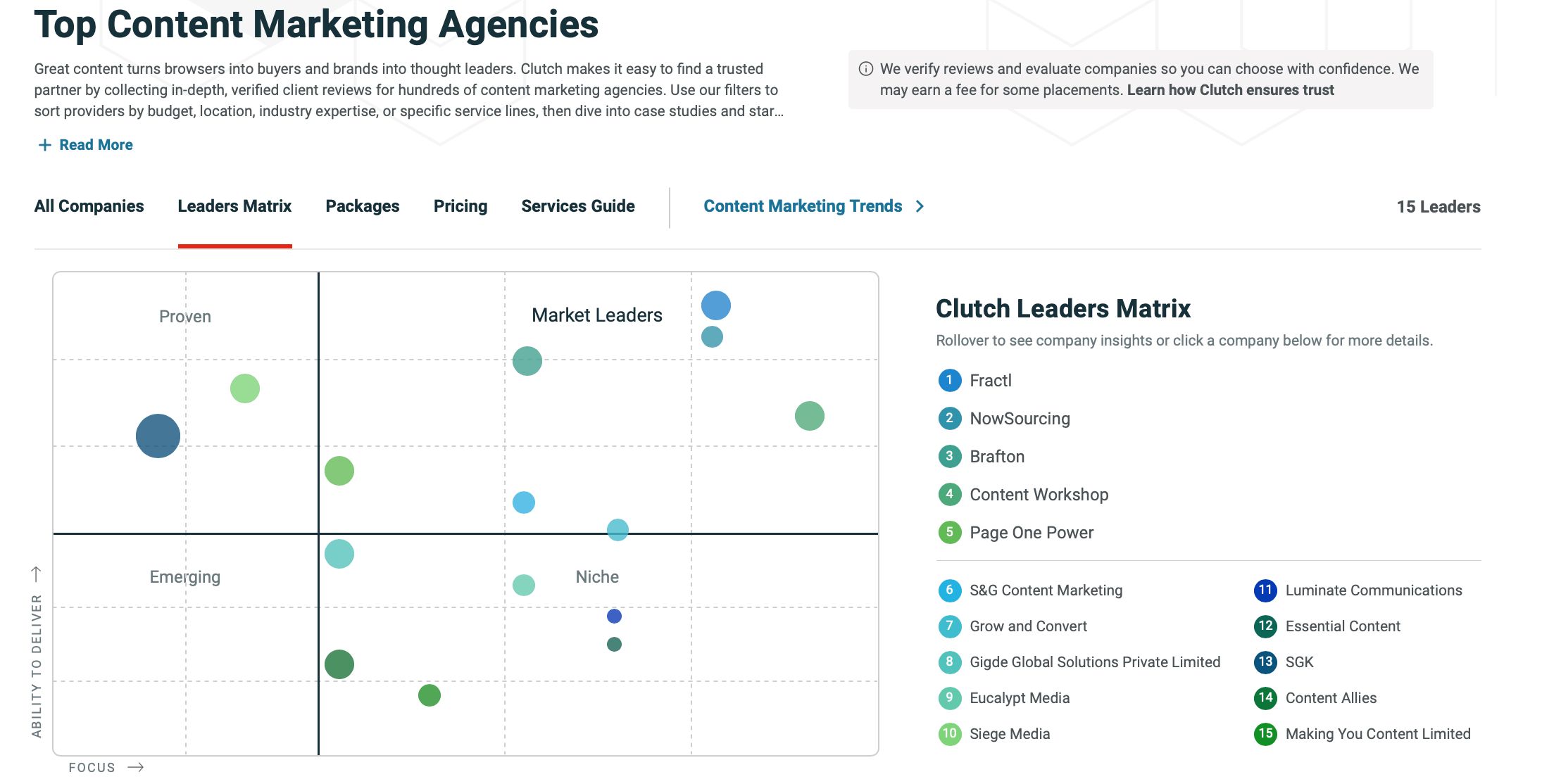
Fractl is ranked No. 1 for content marketing on Clutch’s Leaders Matrix, based on client reviews, case studies, and industry reputation. Here’s what clients have to say:
“Fractl has met all their deadlines, stayed on budget, and hit all their major KPIs.” — Founder, Loan Brokerage
“They overdelivered.”— SEO & Content Manager, Math Game Company
“It feels like a true partnership; they’re not just a vendor but a partner for us.” — Sr. Dir. Content Marketing, Online Work Marketplace
“We’re impressed with Fractl’s ability to create content that generates links from authoritative websites.” — Digital Marketing Manager, Surety Bond & Insurance Agency
Fractl’s Proven Link Building Campaigns
Here’s one standout example of how Fractl executed a successful, industry-spanning link-building campaign, showcasing content creation, earned media, and measurable ROI. Fractl executed a successful year-long campaign for a leading home improvement marketplace.
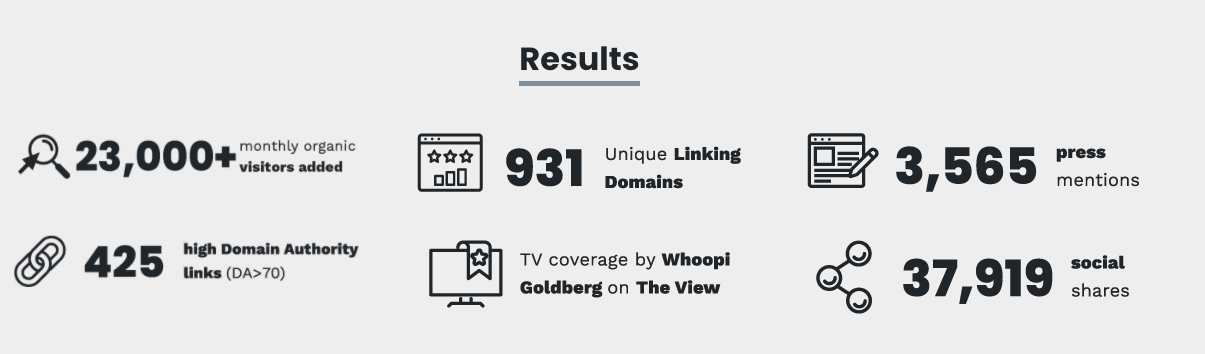
Here’s what was accomplished and how it was achieved:
- Earned 931 unique domain links. The team blended tangential and on-brand content to appeal to both broad audiences and niche verticals.
- Secured 413 total publisher mentions. Coverage included 156 mentions from 62 major outlets and 257 mentions from 160 niche sites, all through earned — not paid — placements.
- Featured in top-tier media. CNBC, NPR, and Better Homes & Gardens highlighted the campaign’s data-driven insights.
- Created high-performing content assets. Pieces like “How Different Generations Shop for Homes” leveraged original data, visuals, and storytelling to attract editorial interest.
- Activated influencer and PR outreach. Strategic interviews and personalized media pitches helped amplify visibility and link acquisition.
- Delivered sustainable SEO value. By prioritizing ethical link-building and measurable impact, the campaign strengthened organic traffic and long-term authority.
Build a Sustainable Link-Building Strategy
The choice between in‑house and agency link building comes down to finding a model that aligns with your SEO strategy, content marketing goals, and business needs. A sustainable approach needs to include high‑quality links, editorial integrity, and content that provides value — no shortcuts. Connect with Fractl’s content services to learn how you can start building a robust backlink profile with trusted earned‑media tactics.
FAQs for In-House vs. Agency Link Building
Businesses often ask the following questions when weighing their link‑building options:
What is link building in SEO?
Link building is the process of acquiring backlinks — links from external websites to your site — to boost your site’s authority and search engine rankings. Backlinks are a ranking factor. They drive visibility by signaling relevance and trustworthiness to search engines like Google.
How much does it cost to hire an agency for link building?
Typical agency link‑building fees range from around $5,000 to $70,000 per month, depending on brand size, niche difficulty, and deliverables. Costs per secured link will depend on domain authority, content requirements, and campaign scale.
How long does it take to see results from link building?
Link‑building results typically begin to become meaningful in about three to six months, with stronger effects accumulating over time as your backlink profile, content assets, and domain authority mature.