




Table of Contents
- What Are Interactive Tools and How Are They Used in Link Building?
- Top 6 Interactive Tools for Link Building
- How Interactive Tools Enhance SEO and Link Building
- Link Building Techniques Using Interactive Tools
- Benefits of Using Interactive Tools in Marketing and Learning
- Key Challenges With Interactive Content
- Moving Forward: Why Interactive Tools Belong in Every Link-Building Strategy
- FAQs About Interactive Tools and Link Building
Static content still has its place, but it’s not going to hold anyone’s attention the way it used to. Interactive tools (calculators, quizzes, maps, and other dynamic elements) give users a reason to stick around, explore, and come back. They’re also quietly powerful for earned media (aka link building): when you create something genuinely useful, publishers and bloggers link to it because it adds value to their own content.
That’s the core connection between interactive content and SEO. Search engines reward sites that attract high-quality backlinks, and interactive assets naturally earn those links by offering unique value no one else has. For marketers, businesses, and content creators looking to improve their search engine rankings and keep users engaged, these tools aren’t a nice-to-have; they’re a competitive advantage.
In this article, I’ll show you which interactive formats drive the most user engagement, how they fit into a broader content marketing strategy, and real examples of link-building campaigns that turned creative assets into authoritative backlinks.
What Are Interactive Tools and How Are They Used in Link Building?
Interactive tools are digital assets that require active participation from the user. Instead of passively reading or scrolling through static content, visitors input data, make choices, drag elements, or explore layered information. Think quizzes that deliver personalized outcomes, calculators that crunch your specific numbers, or maps you can filter by region and category.
They’ve become popular for a simple reason: they work. When someone engages with a tool, they’re investing time and attention, and that investment translates to longer sessions, lower bounce rates, and higher conversion rates.
The link-building value is just as compelling. A calculator or map that delivers genuinely useful results becomes the kind of resource publishers reference in their own articles, educators add to resource pages, and bloggers link to without being asked. That’s what separates interactive content from a standard blog post. It earns backlinks because it provides something no one else has.
Here’s how industries across the board have caught on:
 E-commerce brands use product recommendation quizzes. |
 Education and e-learning platforms build interactive modules with gamification elements for deeper retention. |
 Finance companies create calculators that double as lead generation tools. |
 Digital marketing agencies use interactive experiences to earn the kind of high-authority press coverage that moves the needle on domain authority. |
Top 6 Interactive Tools for Link Building
Not every interactive format works for every target audience, but the six below consistently deliver on both engagement and link acquisition. Here’s what makes each one effective and how brands are actually using them.
1. Quizzes
Quizzes tap into something people can’t resist: finding out more about themselves. Whether it’s “What Type of Investor Are You?” or “How Healthy Is Your Morning Routine?” a well-designed quiz delivers personalized outcomes that feel tailor-made. That personalization is what makes them so shareable on social media; people want to post their results, compare them with friends, and tag others.
From a content creation perspective, quizzes are gold for social distribution. Every share creates a potential new pathway back to your site. And because quiz results feel novel, publishers are more likely to cover them than yet another listicle.
This intimacy quiz we created for ZipHealth is a good example of this approach in practice. The quiz helps couples identify their communication styles around intimacy, then delivers personalized conversation starters based on their results.

In under 2 months, the campaign earned backlinks from 3 referring domains. This kind of emotional, shareable concept tends to build momentum over time.
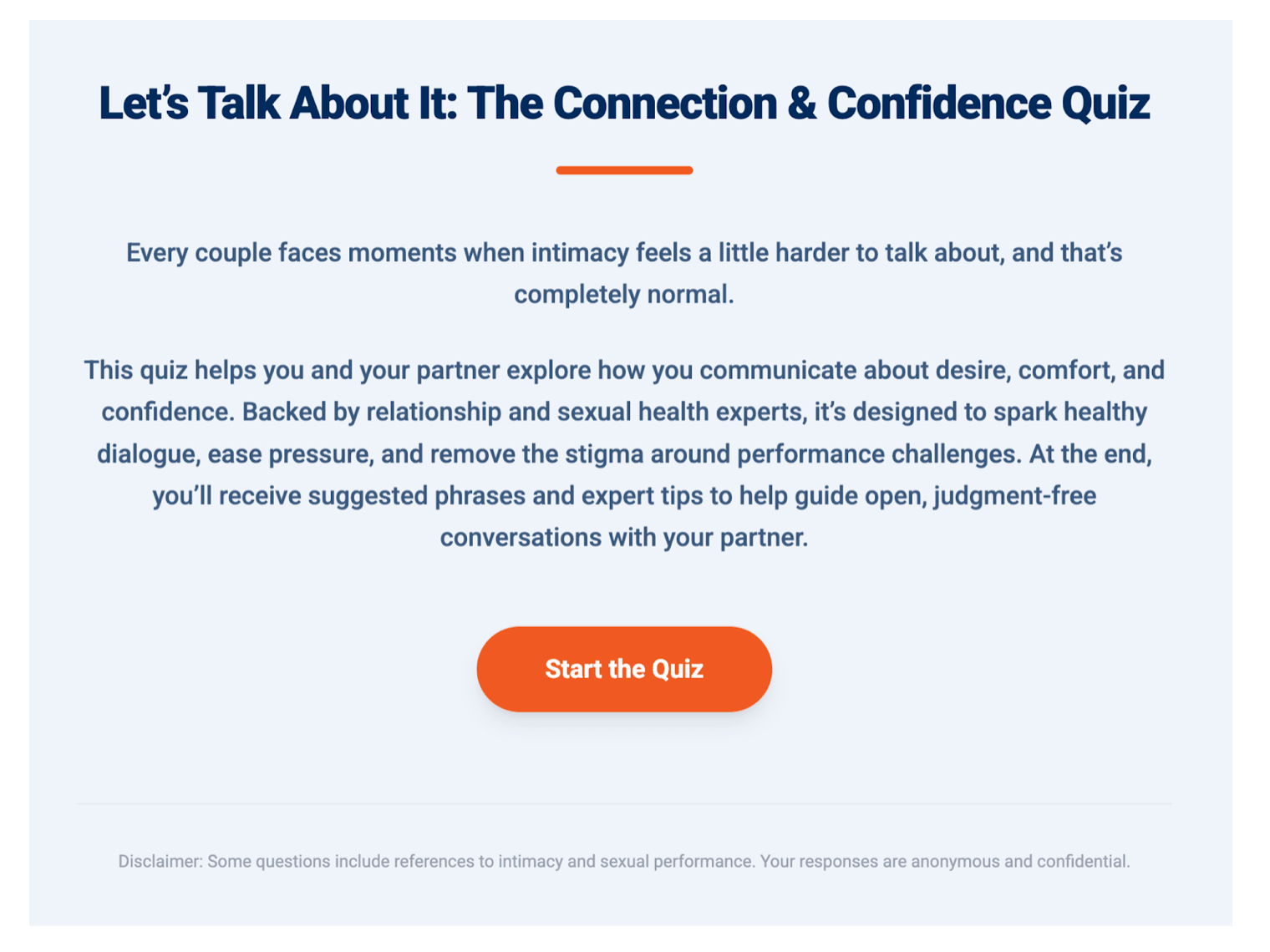
Fractl’s analysis of 345 content marketing campaigns found that campaigns with a strong emotional element were three times more likely to land 100+ media placements. Quizzes are inherently emotional, which is why they consistently outperform other formats for social sharing and content promotion.
2. Calculators
Calculators give users something concrete: a number tied directly to their situation. ROI calculators, loan estimators, pricing tools, and savings projections are the kind of resource people bookmark and share with colleagues. That’s what makes them so effective for both lead generation and conversion.
For example, Fractl produced an EV savings calculator for Payless Power that lets users compare monthly costs of owning an electric vehicle versus a gas car based on their preferred brand, location, and weekly driving habits. Tailored for Texas cities from Houston to Dallas, the tool turns a complex financial decision into a personalized, side-by-side comparison.
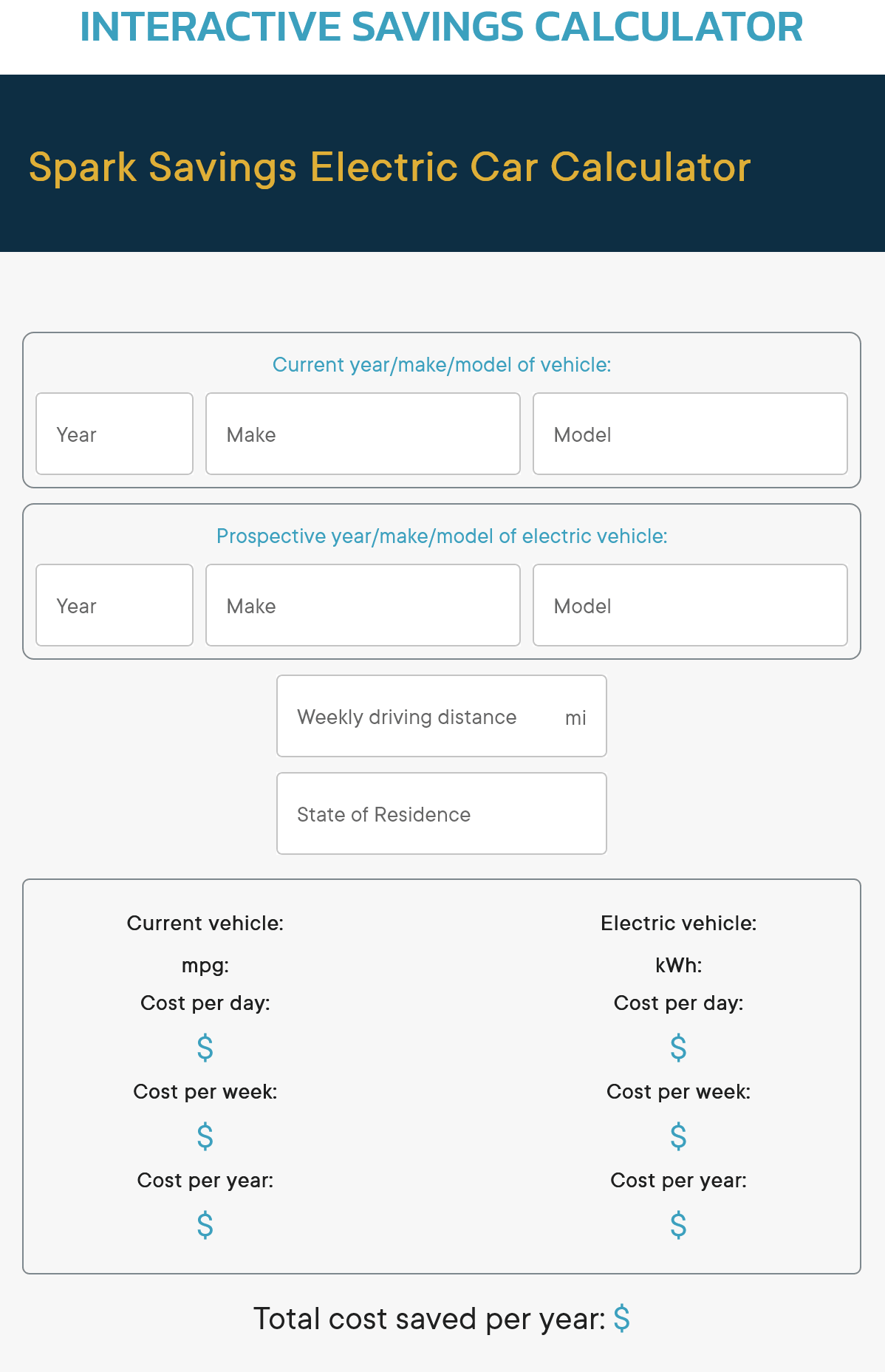
In finance, health, and e-commerce verticals, calculators provide the kind of customized functionality that easily earns backlinks from resource pages and roundup articles.
3. Templates
Templates simplify workflows your audience is already struggling with. Budget spreadsheets, social media content calendars, email marketing sequences, and onboarding checklists: when you hand someone a ready-to-use framework, they remember where they got it.
For example, we created a payroll budget template for a freelance marketplace and linked to it in a blog post. The link takes you to a spreadsheet the reader can use to help manage payroll:
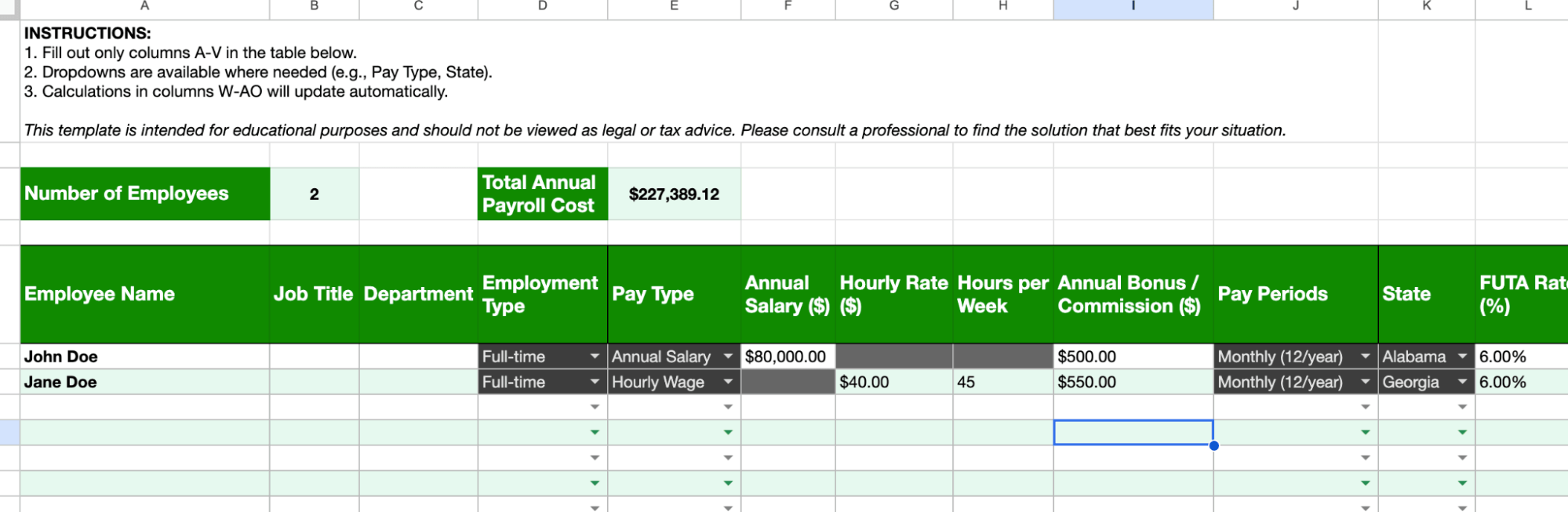
Beyond the immediate usefulness, templates are a natural on-ramp for email list building. Gate the template behind a quick sign-up form, and you’ve got a sustainable way to collect emails for your email marketing campaigns.
HubSpot has built an entire content ecosystem around free templates, and it’s a strategy that works just as well for smaller brands with niche expertise. The key is making the template genuinely better than what someone could build from scratch in 20 minutes.
4. Interactive Videos
Standard video already outperforms most content formats in terms of retention, but interactive video takes it further. Clickable hotspots, branching scenarios, and embedded calls to action turn a passive viewer into an active participant. Think “choose your own adventure,” but for product demos, onboarding walkthroughs, or educational content.
Adding clickable elements to video (CTAs, annotation links, and lead gen forms) encourage participation. Wistia’s State of Video data found that interactive features embedded in video can convert up to two-thirds of viewers.
Animations, embedded polls, and branching choices give people a reason to stay engaged rather than click away, which sends the kind of quality signals search engines look for. Gogglesoc’s shoppable product video below shows this in action. Clickable hotspots let viewers pull up product details and customer reviews without leaving the video, combining visual storytelling with an interactive buying experience.

5. Infographics
Static infographics earned their reputation years ago, but the interactive versions are what publishers want now. Scrollable data visualizations, animated charts, and explorable datasets make complex information accessible and genuinely engaging. They’re also easy to embed, which makes them a strong choice for earning backlinks through content promotion and outreach.
The same drag-and-drop functionality that powers Learning Management Systems (LMS) and onboarding modules works just as well in consumer-facing content. Letting users physically sort, filter, or rearrange data mimics real-world problem-solving, creating a better learning experience for readers and keeping them on the page longer.
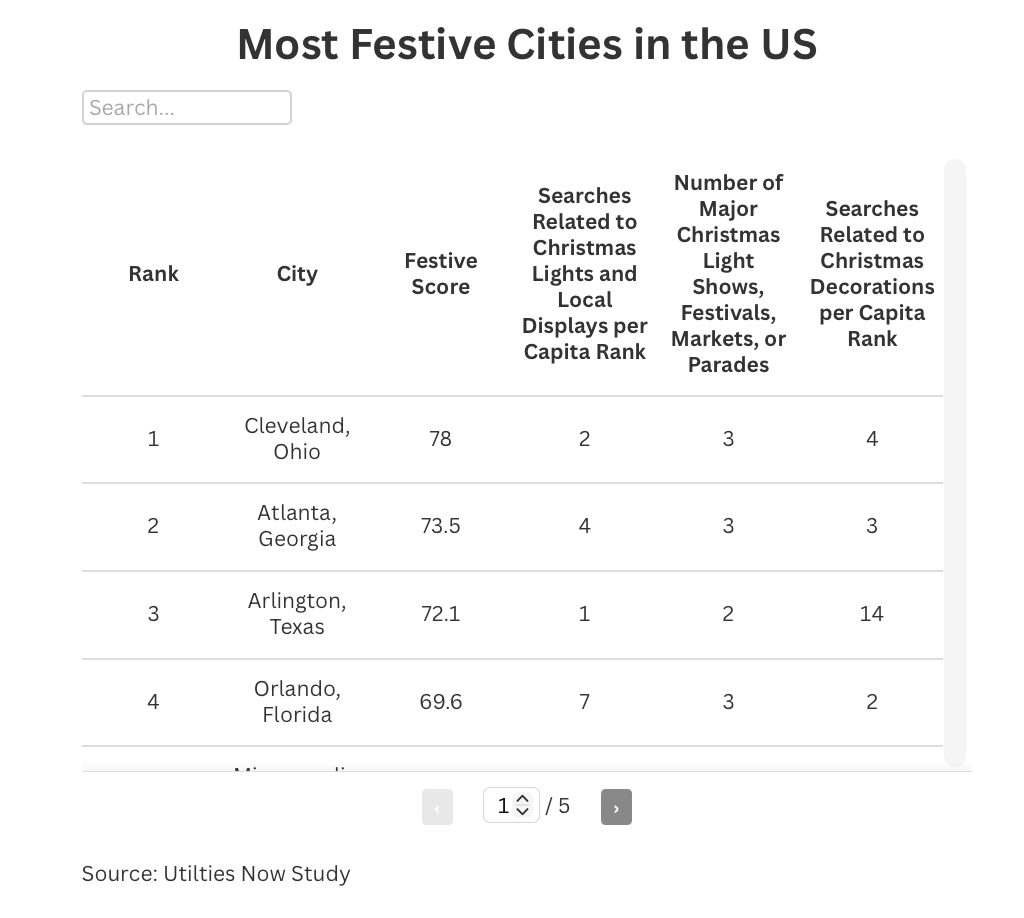
Fractl has produced hundreds of data-driven visual campaigns for clients. One campaign for Utilities Now ranking the most festive cities in the U.S. used interactive Flourish visualizations to map Christmas light displays and search trends across 75 cities, paired with a survey of 1,000 Americans on their holiday traditions. The campaign earned 25 backlinks from 25 referring domains, with syndication across local news and radio outlets picking up the regional angle.
6. Interactive Maps
Maps are powerful because they make data visualization feel personal. Show someone crime stats for their zip code, thrift stores in their city, or demographic trends in their region, and you’ve got their attention.
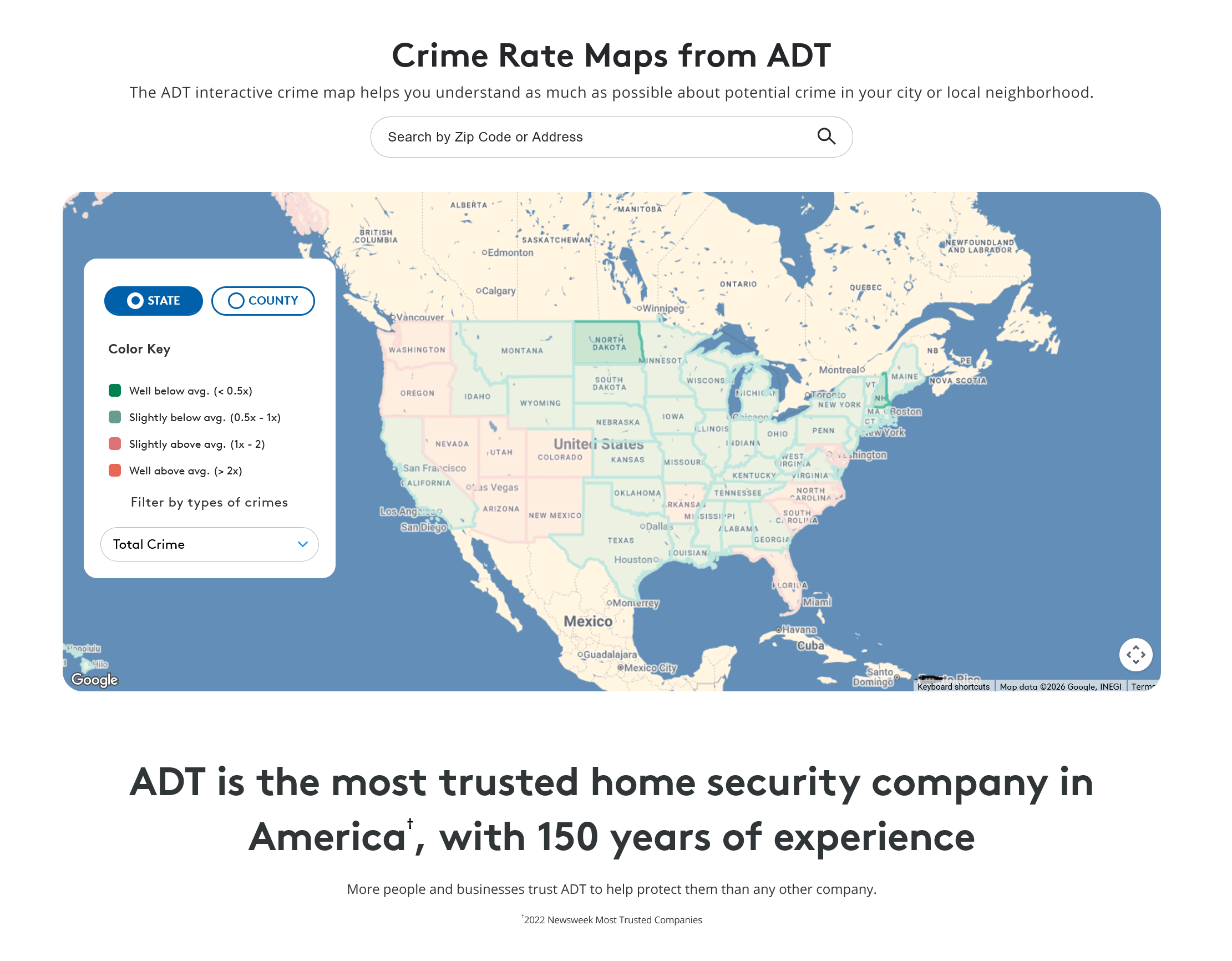
ADT’s interactive crime map is a textbook example. Users search by zip code to see local crime statistics visualized on a dynamic map, and the tool generates roughly 26,000 organic visits per month from Google search alone. It’s also earned over 6,000 backlinks from more than 560 referring domains, and it continues to attract links years after launch.
For a home security company, it’s the perfect intersection of useful content, brand relevance, and evergreen link building.
How Interactive Tools Enhance SEO and Link Building
The relationship between interactive content and search engine optimization comes down to two things: user behavior signals and backlink acquisition. Here’s how each piece works:
- Increased dwell time signals quality. When someone spends five minutes exploring an interactive map or plugging scenarios into a calculator, they’re telling search engines the page is worth visiting. Longer sessions and lower bounce rates are quality signals that factor into how Google’s algorithm evaluates your content.
- Interactive assets earn backlinks naturally. Unlike standard blog posts that earn most of their links within a few weeks and then plateau, a well-built calculator or map continues attracting links over time as new articles reference it. These evergreen link magnets educate users while steadily accumulating high-quality backlinks from .edu, .gov, and high-authority domains.
- Unique data attracts outreach opportunities. Publishers and bloggers actively seek out original data to reference in their own pieces of content. If your interactive tool generates novel insights (say, a calculator that benchmarks user inputs against industry averages), it becomes a source other writers want to cite. That’s digital PR at its most organic.
- Engagement boosts ranking signals across channels. Interactive content gets shared on social media at higher rates than static content, which drives referral traffic and increases brand visibility. In some of my research published on MarTech, I found that emotional resonance is the single largest contributor to engagement (accounting for nearly 40% of overall interaction). Interactive tools are inherently emotional because they personalize the experience.
- Campaigns with strong interactive elements earn more links. Fractl’s analysis of 345 campaigns found that the highest-performing campaigns (those landing 100+ media placements) overwhelmingly featured comparison or ranking elements and strong emotional hooks. Interactive content naturally lends itself to both qualities.
Link Building Techniques Using Interactive Tools
Knowing that interactive content earns links is one thing. Building a strategy around it takes planning, good anchor text, and the right outreach approach. Here are the techniques and link-building tools that consistently drive high-quality results:
 Data-driven digital PR Original research visualized through interactive assets gives journalists something they can’t get anywhere else. Pairing timely survey data with a format that lets reporters cite specific findings is how Fractl has consistently earned placements in tier-one outlets. |  Embeddable assets for blogger and influencer outreach Interactive maps, calculators, and infographics with embed codes make it frictionless for bloggers and influencers to feature your content. Every embed is a backlink, and every external link from a relevant site strengthens your link profile. |
 Case studies with visualized results When you showcase client results through interactive content, other professionals want to reference it. Visualized performance data and campaign metrics are the kind of content that earns backlinks organically from marketers writing about data-driven content strategy. |  Webinars, podcasts, and multimedia distribution These formats let you showcase findings from your interactive content while earning authority links from hosting platforms, guest posting opportunities, and show-notes pages. Repurposing your best interactive content across multiple formats means every piece works harder. |
 Resource page link building Many .edu and .org sites maintain resource pages for their communities. A well-built interactive tool related to health, education, or finance can earn placement on these pages with a thoughtful outreach email explaining its value. These are among the most relevant links you can earn. |
Benefits of Using Interactive Tools in Marketing and Learning
Interactive content supports far more than SEO. Here’s how it drives results across marketing, education, and the buyer’s journey:
 Deeper user engagement | Interactive experiences reduce bounce rates and increase time on page because users are actively participating, not passively scrolling. When your target audience is invested in the outcome (a quiz result or a calculated savings number), they’re far more likely to explore additional content and convert. |
 Stronger learning outcomes in e-learning | Gamification, drag-and-drop modules, and scored assessments on LMS and learning platforms foster deeper retention than passive formats like video lectures or PDFs. Medical schools use simulation tools for the same reason: active participation creates stronger memory encoding for every learner. |
 Better onboarding and online collaboration | Interactive product tutorials, clickable walkthroughs, and guided onboarding flows reduce support tickets and shorten time-to-value for new customers. They’re more effective than PDF manuals and allow teams to collaborate around shared interactive resources. |
 Alignment with the buyer’s journey | At the top of the funnel, quizzes and infographics grab attention. In the middle, calculators and comparison tools help prospects evaluate options. At the bottom, interactive demos and recommendation engines nudge people toward conversion. Fractl’s approach to content at every stage of the sales cycle relies on matching the right format to where the audience sits in their decision-making process. |
 Built-in lead generation | Interactive tools naturally encourage users to share information (an email address to unlock results or contact details to save a calculation). This makes them one of the highest-converting content marketing formats for capturing leads without feeling intrusive. |
Key Challenges With Interactive Content
No strategy is without friction. Here are the most common obstacles with interactive content and practical ways to get past them.
| Challenge |  Solution Solution |
| High production costs and time investment | Custom calculators and data visualizations require design, development, and QA time that a standard blog post doesn’t. Start with no-code platforms like Typeform, Outgrow, or Ceros to build interactive content faster and at lower cost. Prioritize the formats that best fit your audience and scale from there. |
| Overcomplicating the functionality | A tool with 15 input fields and three nested menus might seem impressive, but if it confuses users, they’ll bounce. Start simple. If you can deliver value with five inputs instead of fifteen, do that. Usability always beats complexity. |
| Attracting spammy or low-quality backlinks | Google’s spam guidelines are clear: link schemes, buying links, and manipulative tactics will result in penalties. Interactive content should earn links because it’s genuinely useful, not because you’re paying for placements. Focus on building a clean backlink profile with relevant links from authoritative domains. |
| Avoiding cheap link-building services | If you’re working with an outside provider, vet them carefully. Ask for examples of past link-building campaigns and the publications they’ve placed content with. Avoid anyone promising a specific number of links per month; that’s almost always a signal of black hat tactics. I’ve written about spotting and avoiding shady link-building vendors based on my analysis of hundreds of spammy pitches. |
| Measuring ROI across metrics | Don’t just count page views. Track engagement (time on page and interactions per session), backlinks earned, domain authority changes, and the impact on your overall SEO strategy. Monitor your link profile over time to ensure you’re attracting the high-quality links that actually move search engine rankings. |
Moving Forward: Why Interactive Tools Belong in Every Link-Building Strategy
Interactive tools earn links, extend content longevity, and create the kind of user experience that search engines reward. They’re one of the few content formats that can simultaneously drive awareness at the top of the funnel and conversions at the bottom, all while building the kind of quality content library that strengthens your SERP presence over time.
You don’t need to build all six types at once. Start with the format that best fits your target audience and available data. If you have proprietary research, an interactive infographic or map might be the move. If you’re in a service industry, a calculator or quiz could be your highest-leverage play. The point is to move beyond static blog posts and create something people actively want to use and share.
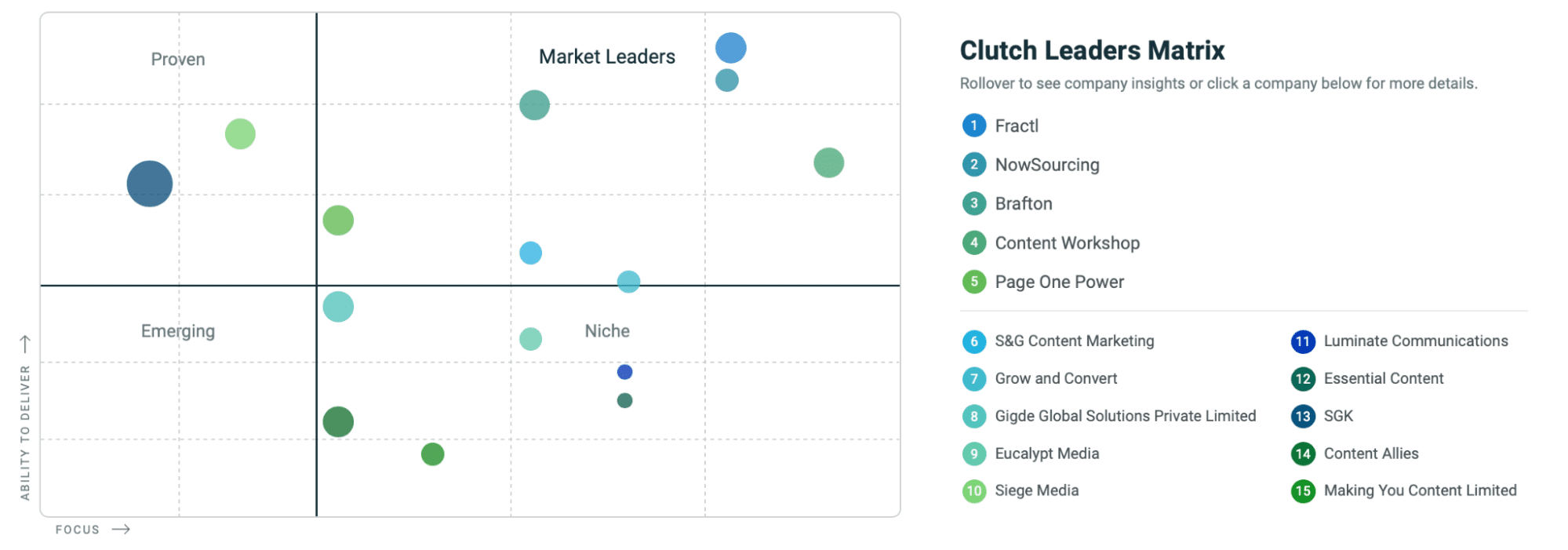
Fractl, ranked No. 1 for content marketing on Clutch’s Leaders Matrix out of 30,000+ firms, has spent over 13 years building interactive campaigns that earn coverage from outlets like CNN, The Wall Street Journal, and USA Today.
If you’re looking for inspiration (or a partner), explore Fractl’s work and see what data-driven interactive content can do for your organic traffic and long-term digital marketing results.
About the Author
Kelsey Libert is a co-founder of Fractl, a content marketing and digital PR agency ranked No. 1 on Clutch’s Leaders Matrix out of 30,000+ firms. She’s a columnist at Search Engine Land and has been published in Harvard Business Review, Inc., and Entrepreneur. She’s presented research and case studies at MozCon, PubCon, and SMX Advanced.
FAQs About Interactive Tools and Link Building
Marketers weighing interactive content as part of their SEO strategy often have questions about timelines, definitions, and expected results. Here are the ones that come up most often.
What is link building?
Link building is the practice of getting other websites to link back to your pages. These backlinks act as a ranking factor for search engines; each link is essentially a vote of confidence that your content is worth referencing. The more high-quality sites linking to you, the more authority your domain carries, which directly influences where you show up in Google search results. For a deeper dive, check out Fractl’s guide to link building.
What is an interactive tool?
It’s any digital asset that allows users to engage actively rather than consume passively. Quizzes, calculators, interactive maps, drag-and-drop builders, and explorable data visualizations all qualify. The defining characteristic is that the interactive experience changes based on user input; it’s not the same for every visitor. Industry sources like eLearning Industry have documented how these interactive elements improve both engagement and retention across contexts.
How can interactive tools enhance user engagement on a website?
They reduce bounce rates by giving visitors a reason to stay and explore. When someone’s actively inputting data or making choices, they’re invested in the outcome, and that investment translates to longer sessions, more page views, and a higher likelihood of converting. Interactive elements also create natural entry points for deeper content exploration, guiding users from a quiz result to a related blog post to a product page.
How long does it take to see results from link building?
It depends on your domain authority, competition level, and the quality of your link-building techniques, but in general, it usually takes three to six months before you’ll see measurable movement in search engine rankings. Ahrefs’ research on SEO timelines supports this range, though some industries take longer.
Interactive content can accelerate results because it tends to earn high-quality backlinks faster and more consistently than static formats, but don’t expect overnight changes to your organic traffic.