



Table of Contents
- 5 Newsjacking Campaigns Fractl Produced
- 5 Famous Newsjacking Examples From Other Brands
- Why These Newsjacking Examples Worked
- How To Find Your Next Newsjacking Opportunity
- Plan Your Next Newsjack Before the News Breaks
- FAQ
Key Takeaways
- Data turns a moment into links. The five campaigns Fractl produced here each added new survey findings to a running story and earned 192 to 462 links apiece.
- The best newsjacks have a reason to exist. Tawkify connected layoffs to dating, and Calm sold calm on election night.
- Speed comes from preparation. Oreo had a 15-person team on call during the Super Bowl, which is how a blackout tweet went out mid-game.
- Tone decides whether it lands. Every example on this list made people laugh, think, or relax, and none of them joked about a tragedy.
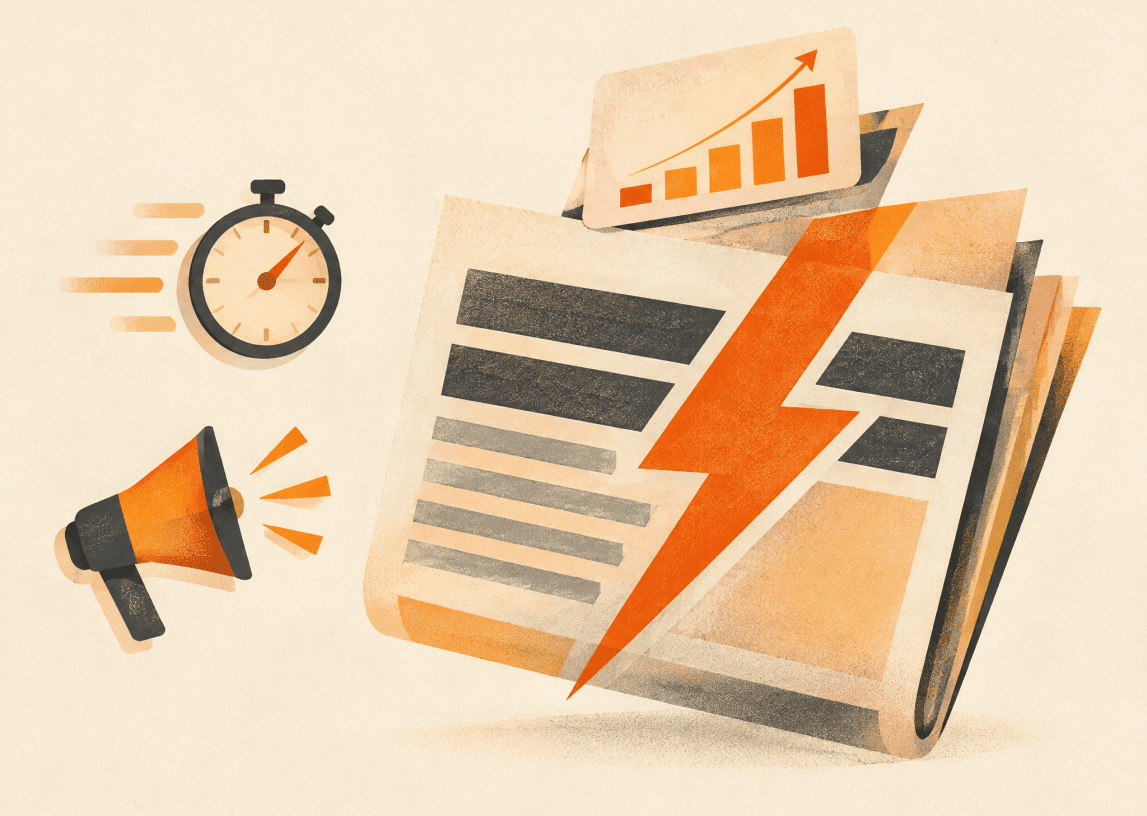
Newsjacking means tying your brand to a breaking news story while reporters and the public are still paying attention, a term David Meerman Scott introduced in his 2011 book. Done well, it earns coverage and links a brand couldn’t buy. Done badly, it looks like a brand cashing in on someone else’s moment.
I’ve picked 10 newsjacking examples, starting with five campaigns our team at Fractl produced for clients and followed by five famous ones from other brands, across industries from education to fast food. For each one, you’ll see the news event, what the brand did, what it earned, and why it worked.
| Brand | Industry | News event | Outcome | |
|---|---|---|---|---|
| Study.com | Education | New York City schools blocked ChatGPT (2023) | 192 links, including The Wall Street Journal | |
| JW Surety Bonds | Financial services | Housing affordability crisis (2024) | 428 links, including Fortune | |
| Clarify Capital | Small business finance | High-profile layoffs (2025) | 234 links, including CNBC | |
| Tradesafe | Workplace safety | AI job fears (2025) | 225 links, including Inc. | |
| Tawkify | Matchmaking | Layoffs and the dating market (2025) | 462 links, including CNBC | |
| Oreo | Snack food | Super Bowl XLVII blackout (2013) | About 15,000 retweets in one night | |
| Burger King | Fast food | McDonald’s lost its Big Mac trademark in the EU (2019) | A menu that mocked the ruling, covered by The Guardian | |
| Aviation Gin | Spirits | Backlash to a Peloton holiday ad (2019) | More than 4 million views in a day | |
| Calm | Wellness apps | The 2020 U.S. presidential election | Up 51 spots in Apple’s free-app chart | |
| Heinz | Packaged food | Taylor Swift’s “seemingly ranch” photo (2023) | A limited-edition bottle within three days |
5 Newsjacking Campaigns Fractl Produced
Our team at Fractl produced each of these newsjacking campaigns for a client, and each one added new survey data to a story reporters were already covering.
1. Study.com and the ChatGPT School Ban (2023)
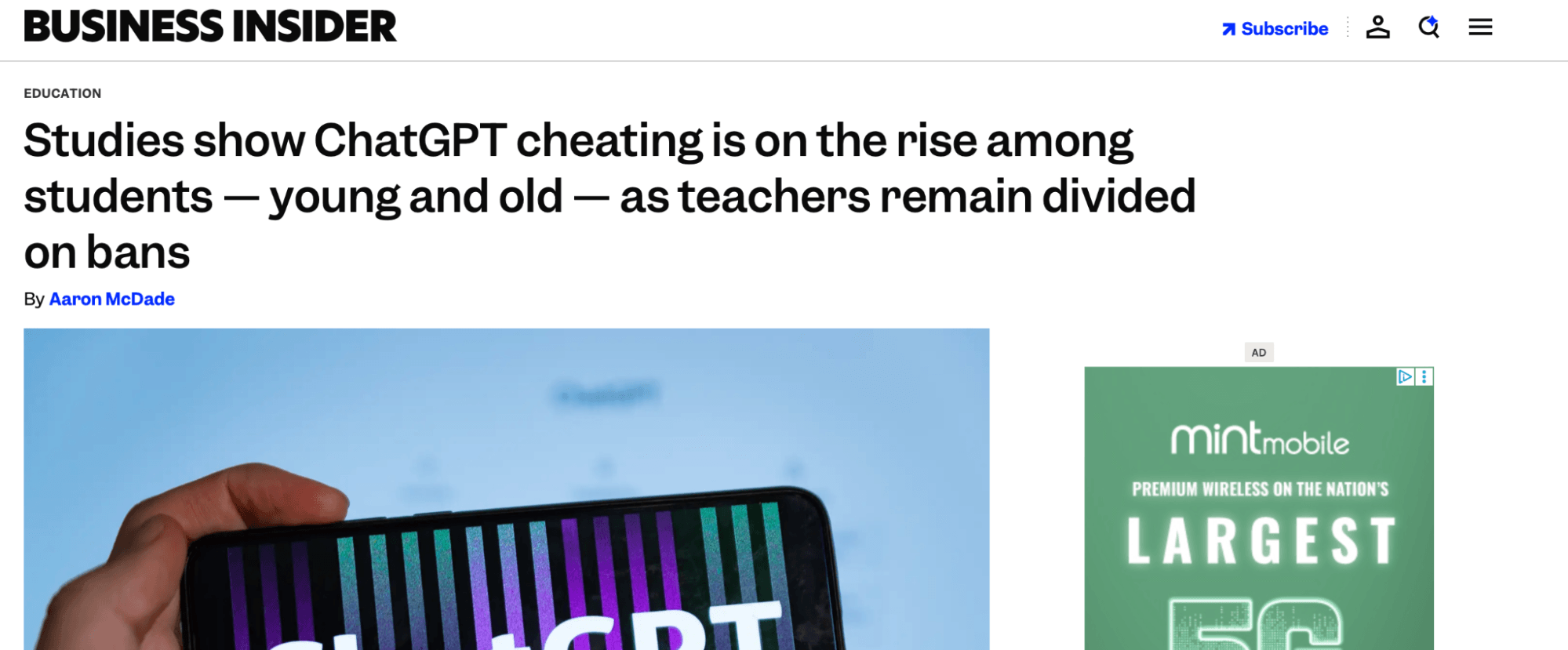
When New York City public schools blocked ChatGPT on school devices and networks in January 2023, Fractl produced a campaign for Study.com in three days: we surveyed more than 1,000 students and 100 educators about the tool. It earned 192 links, including coverage in The Wall Street Journal, and a follow-up survey on ChatGPT in the classroom earned another 221, including a Business Insider story.
Why it worked: Reporters had a policy story with no data behind it, and the survey filled that gap.
2. JW Surety Bonds and the Housing Market (2024)
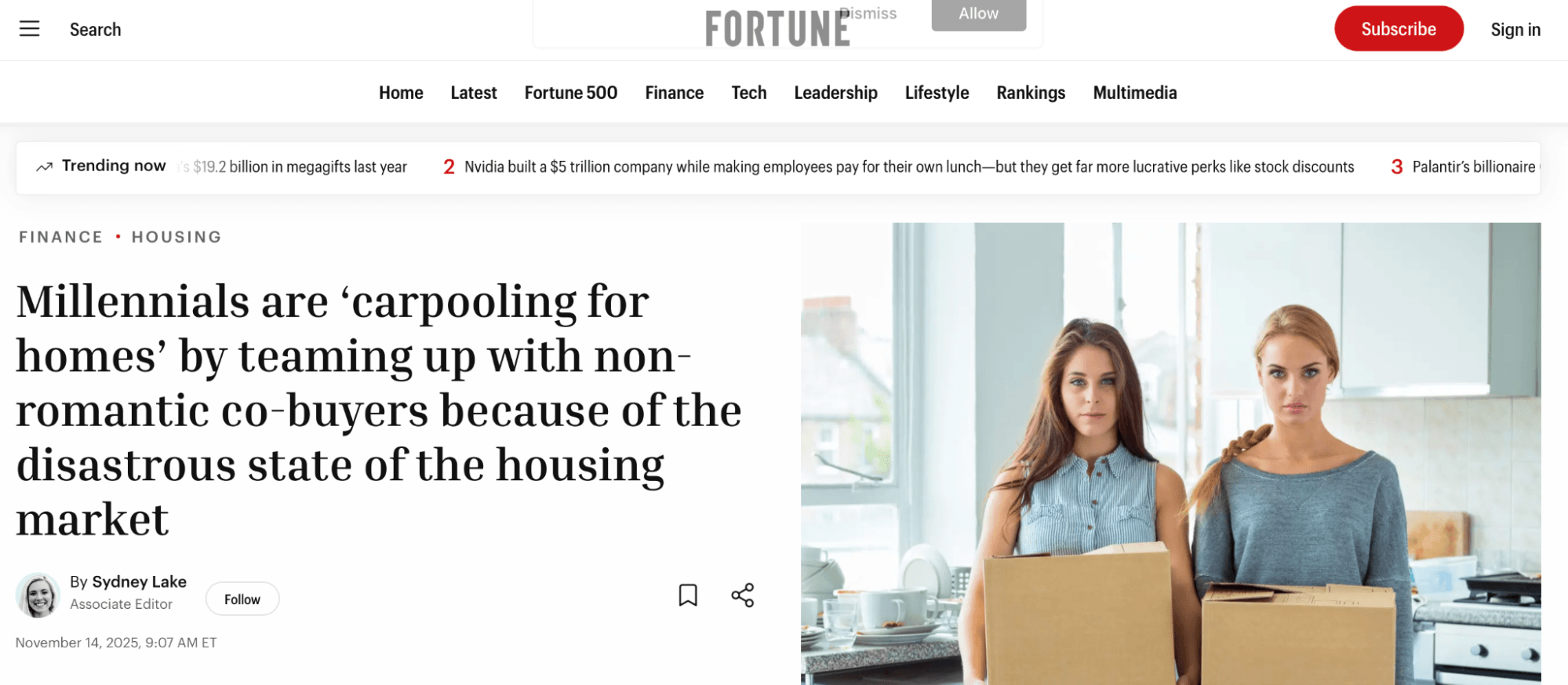
As home prices kept many first-time homebuyers out of the market, Fractl produced a survey for JW Surety Bonds about buying a home with someone other than a romantic partner. Fortune reported that nearly 15% of Americans already had it and 48% would consider it. The campaign earned 428 links, with an exclusive eight days after outreach began.
Why it worked: It gave reporters a new trend inside a story they were already covering.
3. Clarify Capital and the 2025 Layoffs
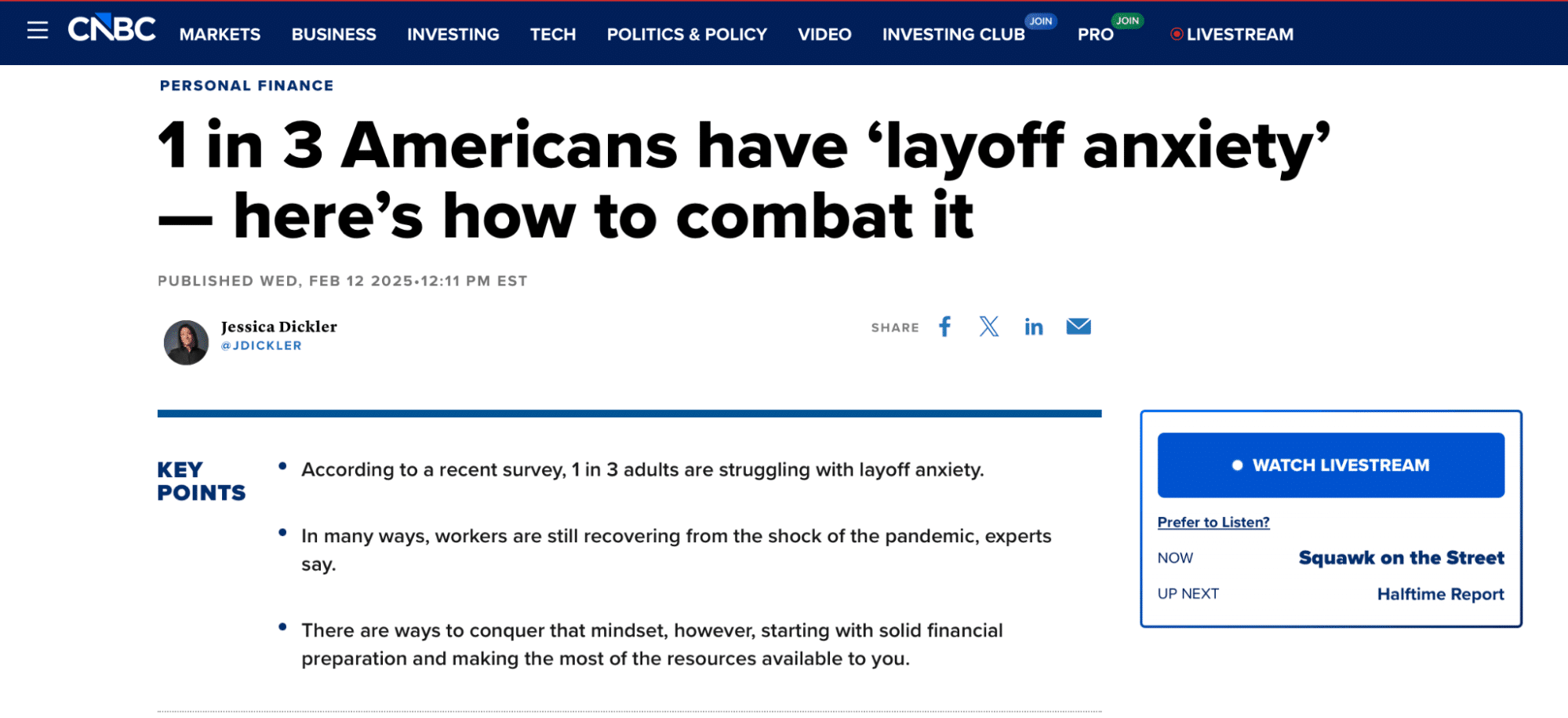
Early in 2025, high-profile layoffs kept job security in the headlines. The survey of 1,000 Americans Fractl produced for Clarify Capital found that one in three adults had layoff anxiety, rising to 40% among Gen Z, and CNBC ran it as an exclusive. The campaign earned 234 links.
Why it worked: Layoff anxiety is a money worry, which made a lending company a credible source.
4. Tradesafe and AI Job Fears (2025)
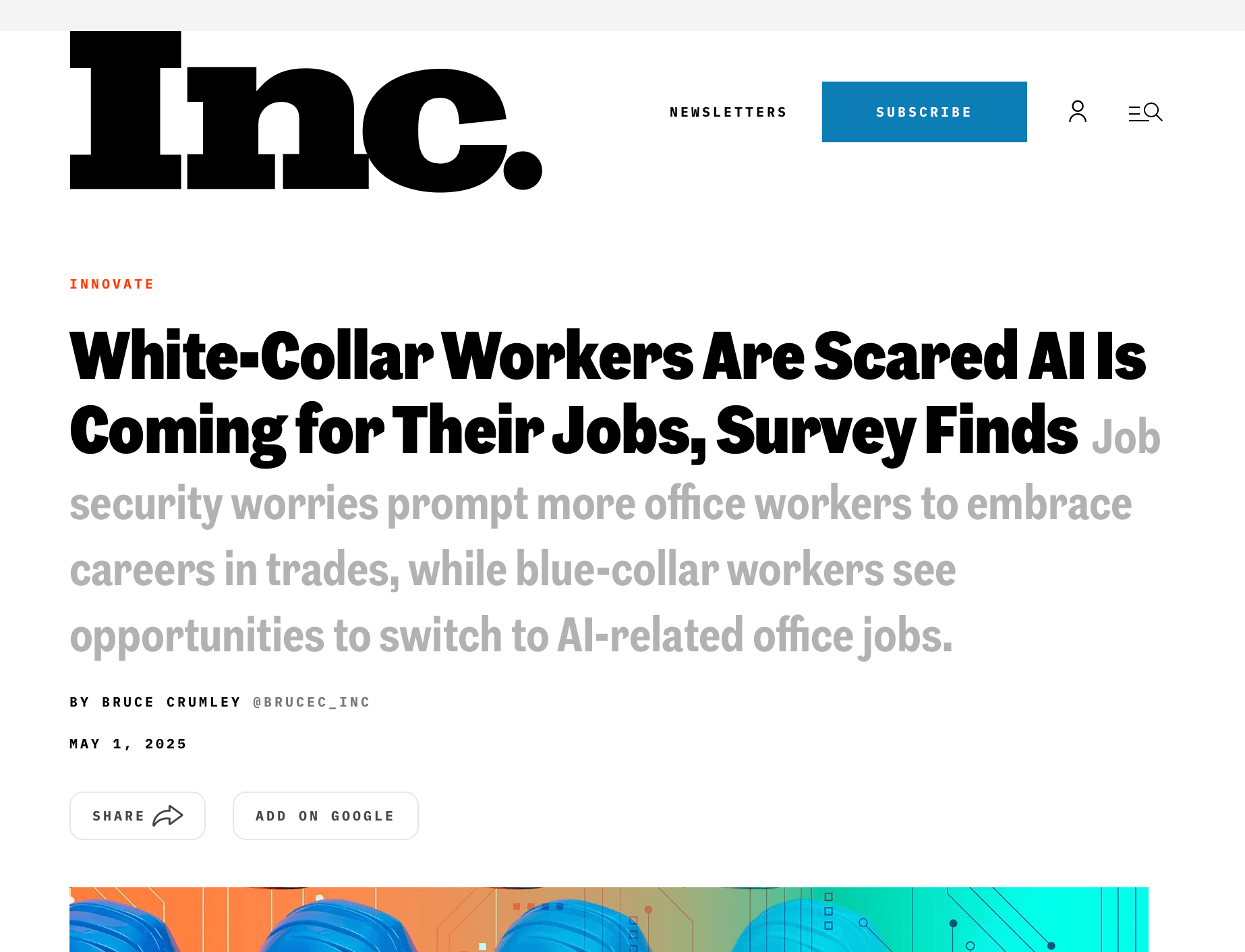
With companies announcing plans to replace some roles with AI, Fractl surveyed 1,000 U.S. employees about automation for Tradesafe, a workplace safety company. Inc. reported that 43% of white-collar respondents already feared AI could take over their jobs, and that many were eyeing a move into the trades. The campaign earned 225 links.
Why it worked: The angle connected a national story to the workplaces Tradesafe serves.
5. Tawkify and Layoffs in the Dating Market (2025)
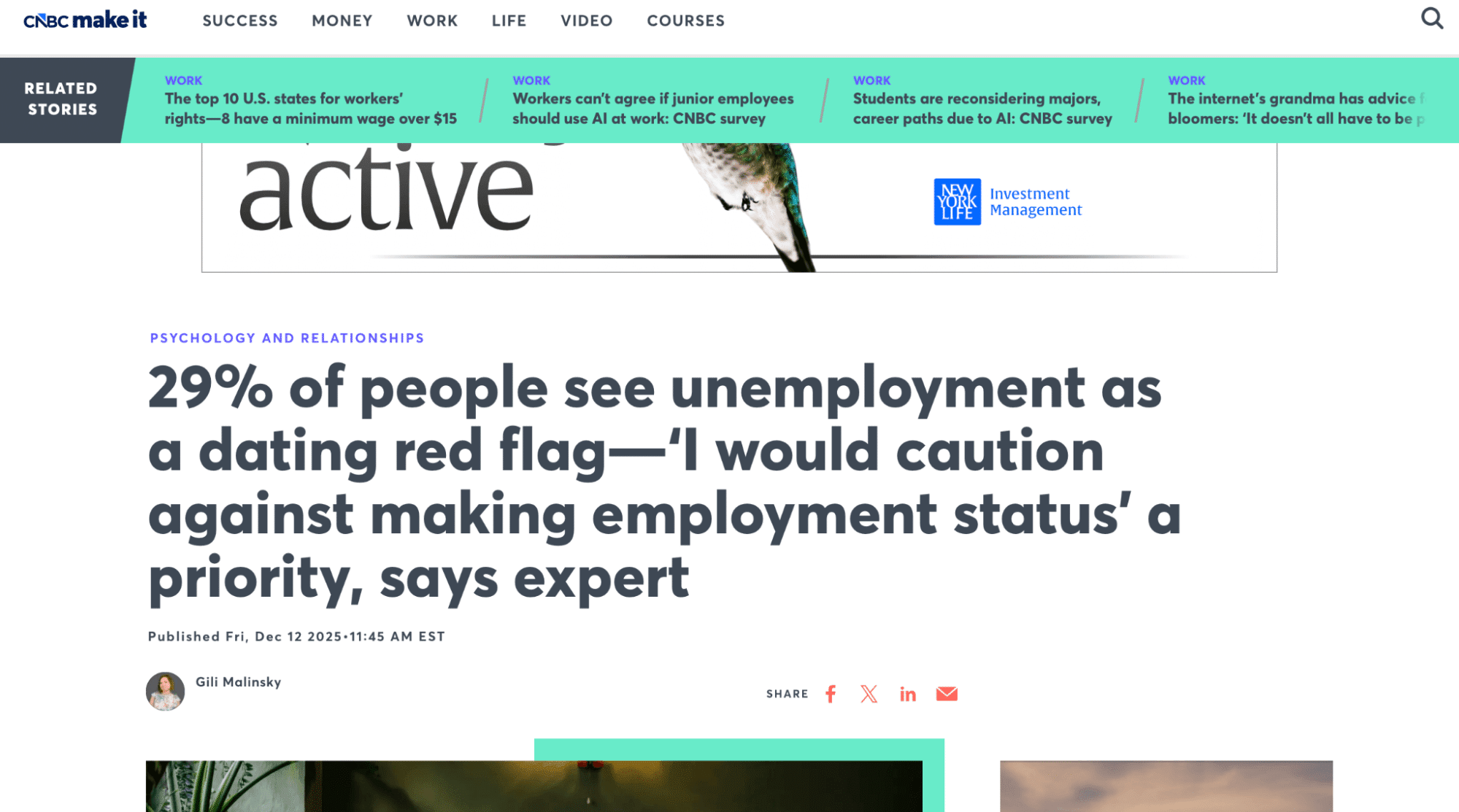
For Tawkify, a matchmaking company, Fractl took the layoff story into dating. The survey of more than 1,000 U.S. adults found that 29% saw unemployment as a dating red flag, and CNBC covered it in December 2025. The campaign earned 462 links, the most of any example here.
5 Famous Newsjacking Examples From Other Brands
These five came from other brands and their teams, and each is sourced to coverage from the time. These brands answered with social posts, ads, and limited products rather than research, so their results are measured in views, chart positions, and coverage instead of links.
6. Oreo and the Super Bowl XLVII Blackout (2013)
A power outage darkened part of the Superdome for 34 minutes in the third quarter of Super Bowl XLVII. Oreo’s team posted a stark image of a single cookie with the line “You can still dunk in the dark,” and the tweet drew nearly 15,000 retweets and more than 20,000 Facebook likes. The speed wasn’t luck: Oreo had a 15-person crew of copywriters, a strategist, and artists ready to react to whatever happened during the game within 10 minutes.
Why it worked: The brand prepared for an unplanned moment before it happened.
7. Burger King and the Big Mac Trademark (2019)
When McDonald’s lost its Big Mac trademark in the EU, Burger King’s Swedish arm rebuilt its menu around the ruling, with sandwiches named “Like a Big Mac, But Actually Big” and “Burger Big Mac Wished It Was,” plus a video of customers ordering them. The Guardian covered it the same month. Burger King didn’t need to explain the joke, because the rivalry with McDonald’s is part of its brand.
8. Aviation Gin and the Peloton Ad (2019)
Peloton’s holiday ad, in which a husband gives his wife an exercise bike, drew a wave of criticism, and The Guardian reported that the company’s share value fell almost $1.5 billion amid the backlash. Ryan Reynolds’ Aviation Gin then hired Monica Ruiz, the actor from the Peloton ad, for a tongue-in-cheek spot of her own. The video passed 4 million views in its first day online.
Why it worked: It made a joke at no one’s expense, including the actor’s.
9. Calm and the 2020 Election
Calm sponsored CNN’s election coverage, and its logo flashed on screen during the network’s “Key Race Alert” segments, a reminder to breathe on a tense night. On Nov. 4, the app climbed 51 spots to No. 68 among free iPhone apps in the U.S. The brand’s product and its message were the same thing, which kept the sponsorship from reading as a stunt.
10. Heinz and Taylor Swift (2023)
At a Kansas City Chiefs game in September 2023, a fan account posted a photo of Taylor Swift eating chicken with “ketchup and seemingly ranch,” and the hedge turned into a meme. Heinz announced limited-edition bottles of what it called Ketchup and Seemingly Ranch three days later. The product already existed: Heinz has sold a ketchup-and-ranch blend for years, so it only needed a new label to join the conversation.
Why These Newsjacking Examples Worked
The examples that drew the most coverage had these traits in common:
 A clear tie to the brand Calm sold relaxation on a stressful night, and Tawkify connected layoffs to dating, its own subject. |  Speed Oreo posted mid-game, and Heinz had a product announced three days after the photo went viral. |
 Something new to say The Fractl campaigns each added survey data, an infographic, or a statistic reporters couldn’t get anywhere else. |  Tone that fits the moment Aviation Gin joked without mocking anyone, which protected the brand’s reputation as much as it built brand awareness. |
 Preparation Oreo’s team was staffed before kickoff, and a survey panel let us field Study.com’s research in days. | |
Speed alone isn’t the goal. Across 111 of our newsjacking campaigns, coverage that landed eight to 14 days after the pitch averaged 60.5 links, more than coverage that landed in the first week. Move fast on the idea, then keep pitching through the news cycle.
How To Find Your Next Newsjacking Opportunity
Set up Google Alerts for the topics your target audience cares about, and check Google Trends daily for sudden spikes in search interest. Watch trending topics, memes, and what influencers in your space are posting on social media, the way the Heinz story started with a fan account.
Then look for a gap your brand can fill. Check what AI search tools say about current events in your space, too. If no one has published data on the angle you’d take, a quick survey can become the source those answers cite. A newsjacking strategy like this works best as part of a wider reactive PR program, and if you’d rather not run it in-house, a newsjacking agency can.
Plan Your Next Newsjack Before the News Breaks
Pick the topics your brand can credibly speak to, line up an expert who can approve a quote in an hour, and find a way to field a survey overnight. With that in place, the next breaking news story is a chance to raise your brand’s visibility instead of one you watch from the sidelines.
If you want a team to do this for you every week and turn it into coverage across search, social media, and AI answers, reach out and partner with Fractl.
FAQ
What is newsjacking?
Newsjacking is tying your brand to a breaking news story while it’s still being covered, usually with a social post, expert commentary, or new data. It’s one form of public relations that responds to the news instead of planning around a calendar.
What’s the most famous newsjacking example?
Oreo’s 2013 “You can still dunk in the dark” tweet during the Super Bowl XLVII blackout is one of the best-known examples. It drew nearly 15,000 retweets in one night.
Does newsjacking help SEO and AI search?
Yes, when it earns coverage. Articles that cite your data link to your site and mention your brand, which gives you increased visibility in search rankings and gives AI tools a source to cite.
How fast do you need to newsjack?
Fast enough to pitch while the story is still running, usually within one to three business days. The coverage that earns the most links often lands a week or two after the pitch.