




Table of Contents
- Why Entity Authority Matters More in 2026
- Entity Authority vs. Domain Authority
- How To Build Entity Authority
- AI Rewards Brand Equity, It Doesn't Create It
- Entity Authority FAQ
Your customers are asking ChatGPT, Perplexity, and Google’s AI which brands to trust, and those systems are answering with names. Whether yours is one of them comes down to entity authority. It’s the trust an AI system builds in your brand over time, and right now, it’s one of the most durable advantages you can build in generative search.
I co-founded Fractl 14 years ago, and in that time, I’ve seen the “SEO is dead” headline come back around every few years. It’s back again, dressed up in generative AI this time. In my recent SMX Advanced talk, I worked through what our research actually shows:
Platforms change and algorithms churn, but authority compounds.
Entity authority is how that compounding works in an AI-first world, and your visibility increasingly depends on it.
You might also see “entity authority” used in a legal sense, tied to a company’s right to transact business in a given state. That’s a different topic. This guide is about the version that decides whether AI tools recognize and recommend your brand.
Why Entity Authority Matters More in 2026
Consumer trust in AI search is moving fast, and not in one direction. Our ongoing research with Search Engine Land tracks how consumers and marketers are adapting year over year.
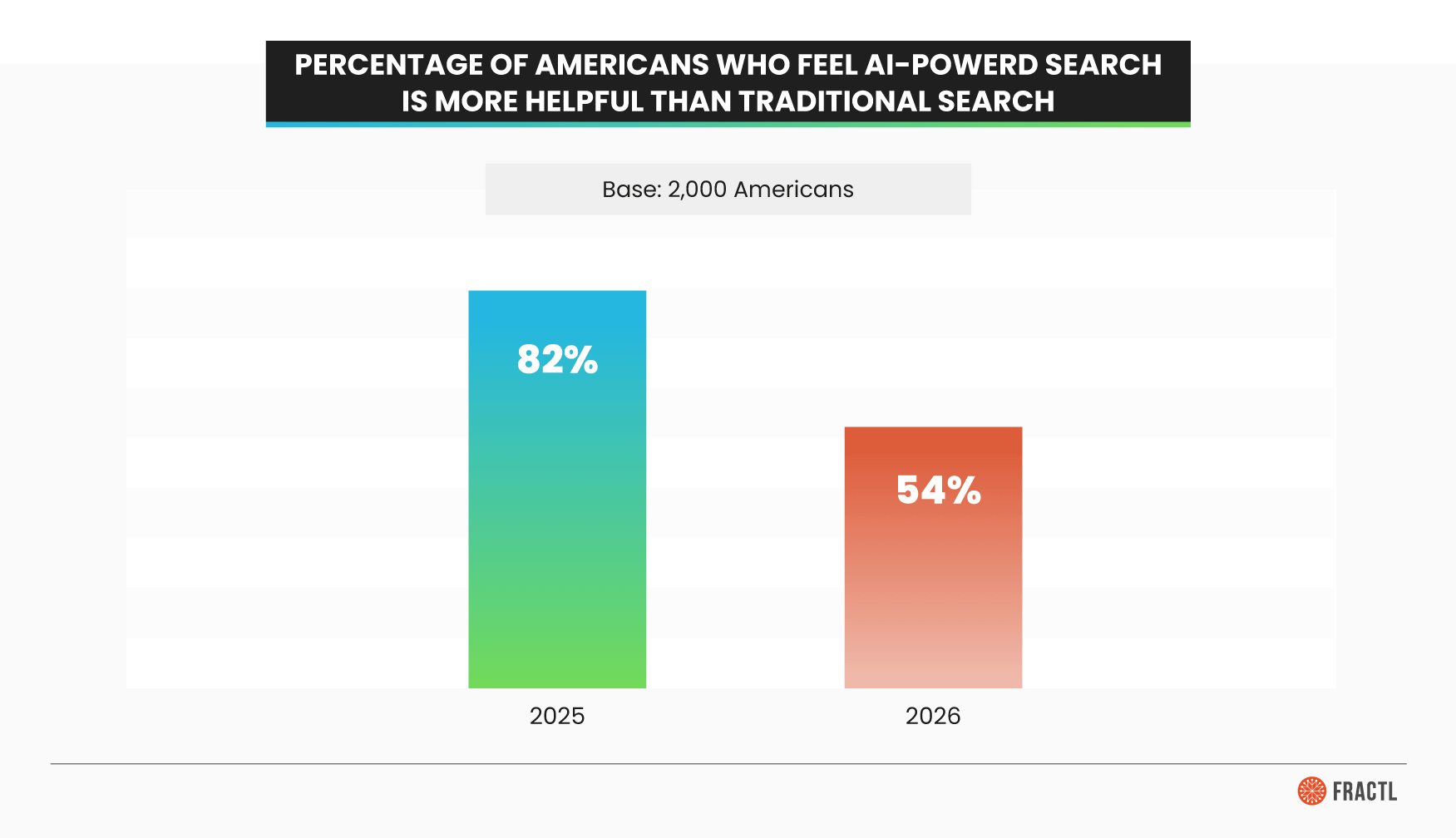
A year ago, 82% of the 2,000 Americans we surveyed said AI-powered search was more helpful than traditional search. This year, that number dropped to 54%. The camp that now finds AI less helpful than old-fashioned search jumped from 3% to 17%, six times bigger in 12 months. The honeymoon’s over, and you’ve got customers who actively prefer the old way.
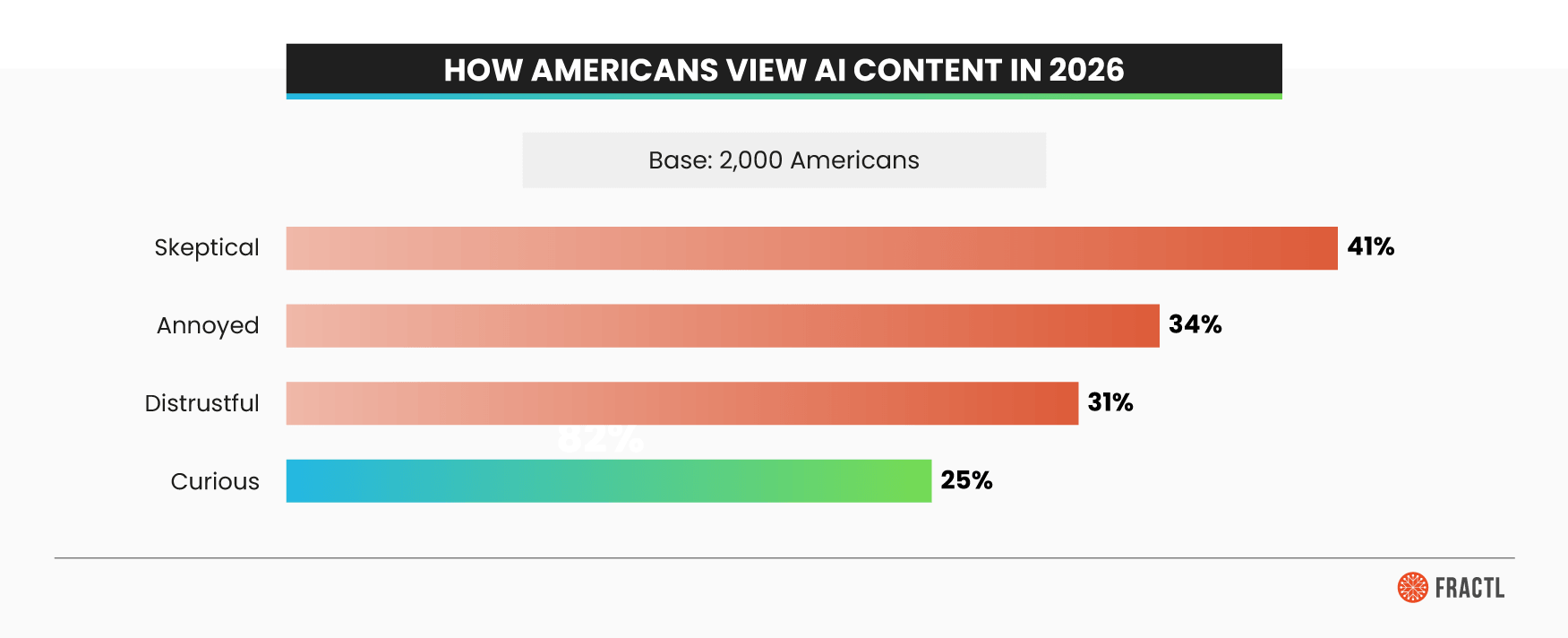
The default posture toward AI content in 2026 is wariness: 41% of consumers feel skeptical, 34% annoyed, and 31% distrustful, all of which outrank curious at 25%. Distrust of AI-heavy marketing doubled from 20% to 40% in a single year. Going heavy on generic AI output has become a brand-trust liability.
Meanwhile, search itself has stopped being a single destination. Your customers ask, compare, and validate across Google, ChatGPT, Reddit, TikTok, YouTube, and reviews, often before they ever reach your site.
The average buyer now checks 2.4 platforms before a purchase, and that holds steady across every generation.
Your brand needs to be consistently credible everywhere people look to confirm what’s true. Entity authority is what makes that consistency legible to a machine.
Entity Authority vs. Domain Authority
 Domain authority measures one site It’s a backlink-driven score that estimates how likely a single domain is to rank in traditional search. Useful, but narrow. |  Entity authority measures your brand across the whole web AI systems confirm trust by cross-referencing your brand against multiple verified sources, structured data, and co-citations, not just the links pointing at one domain. |
A strong domain authority score can still leave you invisible in AI answers if your brand isn’t recognized as a consistent, verifiable entity across the sources these systems pull from.
How To Build Entity Authority
The encouraging finding from our research is that the highest-value move is also the most wide open. Only 15% of marketers are prioritizing original research and data, the one asset a language model can’t synthesize from scratch. AI can rewrite your FAQs in seconds; it can’t invent your proprietary data. Here’s where to focus.
Put Real Experts on the Record
The brands that win in 2026 won’t be the ones pushing the most content through AI. They’ll be the ones putting genuine human expertise where AI systems, journalists, and communities can recognize and retrieve it. Use AI behind the scenes to move faster, but make sure the work the world sees is unmistakably driven by human authority. Your leaders are your first lever; treat them as the subject-matter experts they are.
Create Data That Doesn’t Exist Yet
When you run a survey or commission original research, you create a number everyone else has to cite. That’s the move only 15% of teams are making. We did exactly that for the SMX talk, and the resulting data has already earned mentions and links that feed right back into our own entity authority. A few proven formats are:
 Original surveys Poll your audience on a question no one has answered yet, the way ConsumerAffairs did when it surveyed homeowners to define and quantify what it means to be house poor. |  Reactive research Move fast on a breaking story in your space, like Study.com did when NYC schools banned ChatGPT, and it surveyed students and professors for its study on ChatGPT in the classroom. |  Government datasets Public data is free, authoritative, and almost always underexplored. A fresh angle gives journalists a credible hook and gives AI systems a defensible fact to attribute to you. |
Build Assets People Keep Using
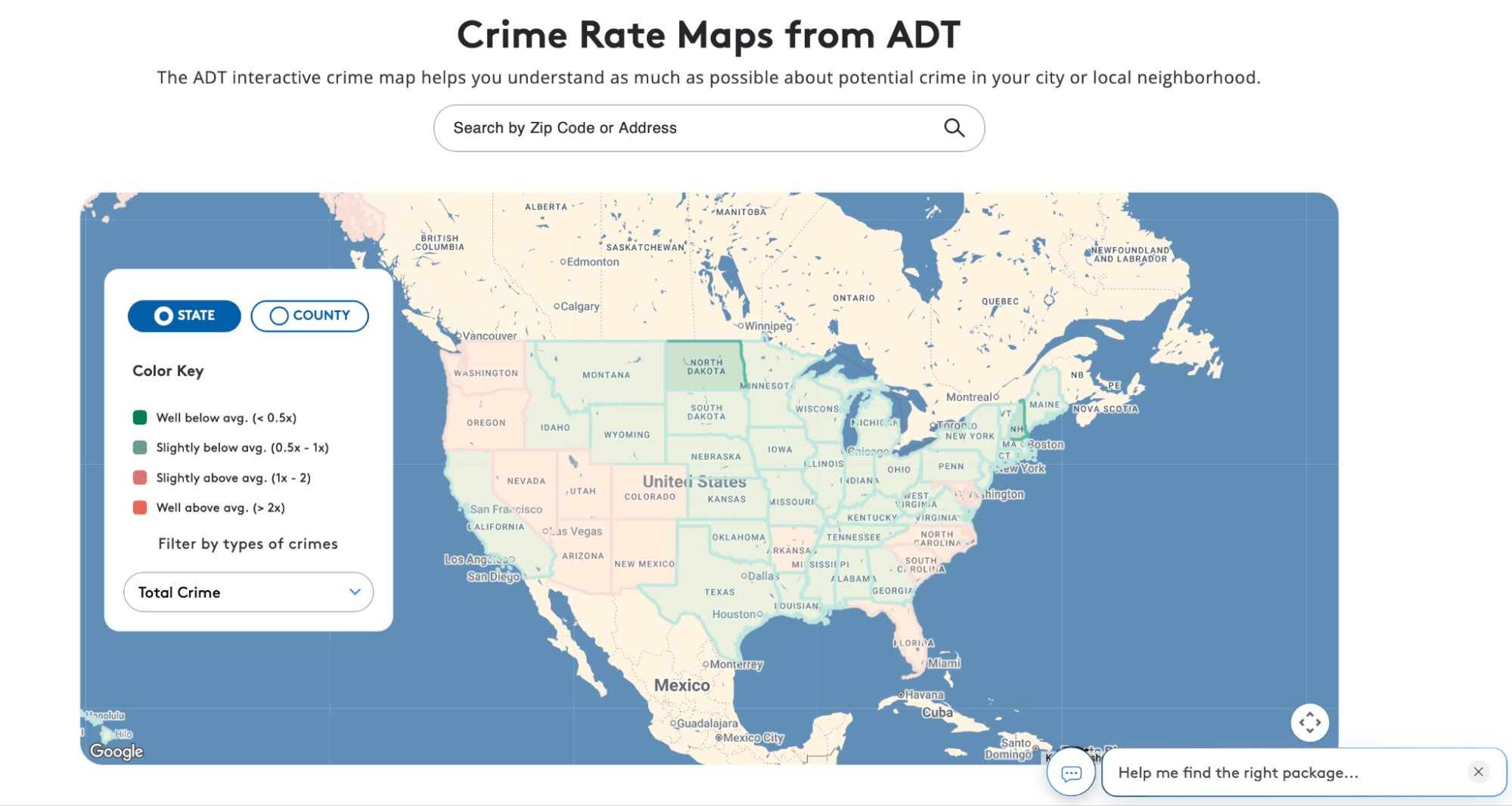
Interactive tools, calculators, graders, and comparison engines earn links and mentions long after launch because people keep returning to them. ADT’s interactive crime map is a good example of a tool that keeps generating authority on its own.
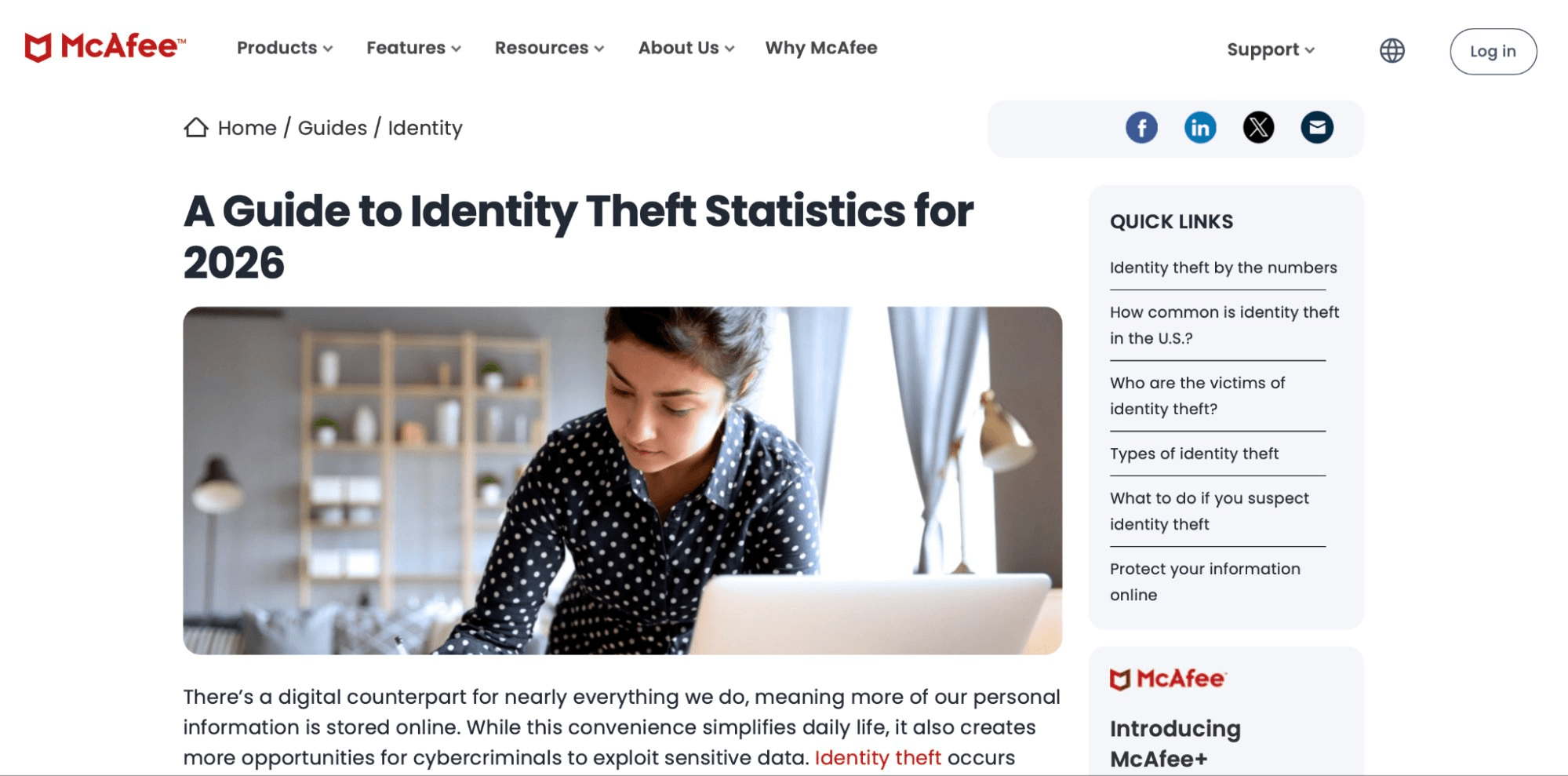
Pair those with genuinely deep guides, like McAfee’s identity theft statistics resource, and you become the answer people stop searching after they find.
Distribute Where the Machines Actually Look
Great assets are only half the job. Generative engines prioritize recognized entities, so pursue placements on the domains AI tools and AI Overviews already cite: high-authority news, niche-authoritative verticals, and reference sites. And don’t only chase the biggest logos. Niche sites often deliver higher brand relevance because models recognize density of expertise; coverage on a vertical-authoritative site can be worth more than a generalist placement with a bigger domain authority score.
AI Rewards Brand Equity, It Doesn’t Create It
AI can summarize authority, surface it, and amplify it. It cannot create brand equity out of thin air. That work still belongs to you. The brands that win in generative search won’t be the ones using AI to make average content faster; they’ll be the ones building the kind of verifiable, cross-channel authority that machines learn to trust and cite.
That’s the whole case for entity authority. It’s the foundation everything else rests on, and right now, with only 15% of marketers building original research, the door is wide open.
If you want help building the kind of original research, expert visibility, and earned media that make your brand the entity AI systems trust, see how Fractl can help.
Entity Authority FAQ
How is entity authority different from domain authority?
Domain authority scores how likely one website is to rank in traditional search, based largely on backlinks. Entity authority measures how well AI systems and search engines recognize your brand as a trustworthy source across the whole web, drawing on structured data, citations, and consistent references, not just links to a single domain.
How long does it take to build entity authority?
There’s no overnight version. Entity authority accrues as each new source confirms the last, so it builds over months of consistent original research, expert visibility, and high-trust mentions. The upside is durability: unlike a ranking that can drop after one algorithm update, that trust compounds.
How do you build entity authority for AI search?
You build it by accumulating consistent, verifiable trust signals: original research, named experts, accurate structured data, and high-trust mentions across the sites AI systems already cite. Each source that confirms your brand strengthens the association in the same way.