




Table of Contents
- What To Track When Your Content Is Featured
- How To Measure and Track Content Performance
- Turning Content Tracking Data Into Action
- Use Data To Guide Better Content Decisions
Getting your brand featured online still feels like a win, but today, visibility alone isn’t the goal. To understand what’s truly driving results, marketing teams need a clear way to track content, connect placements to performance, and evaluate how each piece supports larger content marketing and digital marketing goals.
Modern content strategies include consistent content tracking, smarter use of analytics tools, and a clear view of how different formats perform across channels like social media, search engines, and publisher sites. This guide breaks down what to track, why it matters, and how to measure content performance to support long-term marketing efforts.
What To Track When Your Content Is Featured
At Fractl, we use several metrics to measure the results of a brand mention or link. We track down each pickup and classify them by the following factors. This gives us a big-picture view of each campaign’s success rather than just listing an aggregate number of pickups.
Since not all pickups are the same, it’s important that you have this granular breakdown for accurate reporting.
Types of Content Mentions To Track
When your brand is mentioned on another website, you first need to determine the type of placement. Categorize the mention as one of the following:
- Dofollow link. The mention includes a link that leads back to your website and passes SEO value and authority to your website. This is the most valuable type of mention.
- Nofollow link. The mention includes a link back to your website, but it does not pass SEO value or authority to your website. Nofollow links include a line of code that blocks value from passing through the link.
- Co-citation. The mention refers to and links to a third-party article that mentions your brand or story.
- Text attribution. Your brand and story are mentioned, but there is no link back to your website.
- Needs attribution. Your story or its details (such as images, data, etc.) are mentioned, but there is no mention of your brand or a link back to your site. This is the least valuable mention, and it is considered a form of online plagiarism.
When your brand or story is mentioned on a website, assign one of these categories to the placement type. Put the highest value on a dofollow link.

Put the least amount of value on a mention that needs attribution. We actually recommend reaching out to these websites and asking them to update the story with proper attribution. This will help you get more value out of the mention.
Link Authority and Publisher Quality
Once you know what type of mention you have, assign a value to your links. To find the value of the link, look at the linking website’s Domain Authority (DA).
Domain Authority is a metric from Moz that is the “best prediction for how a website will perform in search engine rankings.” A score is a number between one and 100. The higher the number, the more authoritative the website is.
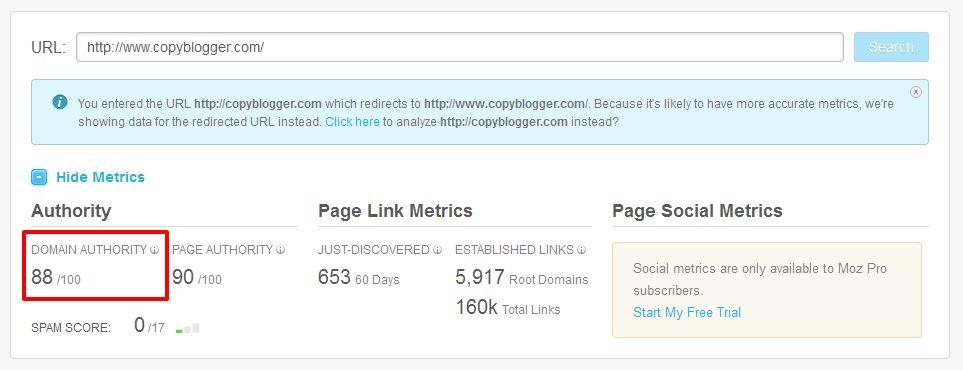
Use the DA metric as a number of “points” that you assign to each of your links and mentions. The total number of points will help you measure the value of each placement.
Social Shares and Comments
In addition to where your content is featured, you also want to track the performance of each placement. You need to consider the amount of audience engagement for the post.
Measure the number of Facebook, LinkedIn, X, and Google+ shares. Track the total number of shares and the total number of comments as well. These numbers will grow as posts with your placements go live. Set a timeframe to review the results to see how the numbers change.
Number of Impressions
Another way to measure the audience engagement of a placement is by looking at the number of impressions or page views the article received. While you likely won’t be able to get the exact number of page views for a third-party website, you can get a good idea by using tools that estimate website traffic.
There are other metrics you can also use to measure content marketing success. Fractl has even created a user-friendly ROI calculator that allows you to input campaign cost, traffic, social shares, links gained, and major placements.
But the number of dofollow links, DA points, and social shares will be the most helpful metrics in measuring the value of placements secured during content marketing.
How To Measure and Track Content Performance
Knowing which metrics to measure is only half of the job when determining the value of your placements and content marketing results. You also need to know how to measure and track those metrics.
Build a Central Content Tracking Dashboard
The first thing you need to do is put all of your content placement tracking in one place. Set up a spreadsheet or custom dashboard for your data.

A spreadsheet is a simple way to track all of your placements and metrics. You can also create custom dashboards that automatically pull in a variety of metrics for each placement, such as social shares and backlinks. (This is what we do at Fractl.)
Whichever method you choose, create a database that includes the following information for each placement:
- Publisher name and URL
- Specific story or placement link
- Content type and format
- Backlinks earned
- Social shares by platform
- Estimated page views
- Referral traffic
- Conversion rate and CTR
Set up reports so you can see the metrics for each link. And prepare the data so you can review total metrics for the campaign as a whole.
This data will give you a good look at which placements were the most valuable (which may direct your future efforts) and help you put a value on your overall campaign (which will allow you to compare your campaign results with the other campaigns you run).
Analytics Tools To Support Content Tracking
Analytics tools play a central role in content marketing because they turn visibility into measurable insight. When brands track content placements across publishers, social media, and search results, analytics tools help connect those mentions to actual performance.
Without reliable analytics tools, marketing teams are left guessing which pieces of content contributed to results and which placements simply looked good on paper. The tools below support content tracking, web analytics, and content performance measurement, helping teams monitor where content appears, how it performs, and how it supports broader marketing campaigns.
Google Alerts
Google Alerts will notify you via email any time one of your defined keywords is mentioned online. You set the keywords (such as your brand name or keywords from your campaign) that you want to be notified about, and Google will alert you each time those words are published on a webpage.
With Google Alerts, you can not only set up branded keywords to track, but you can also track any mention of your URL to get alerted when you have new backlinks.
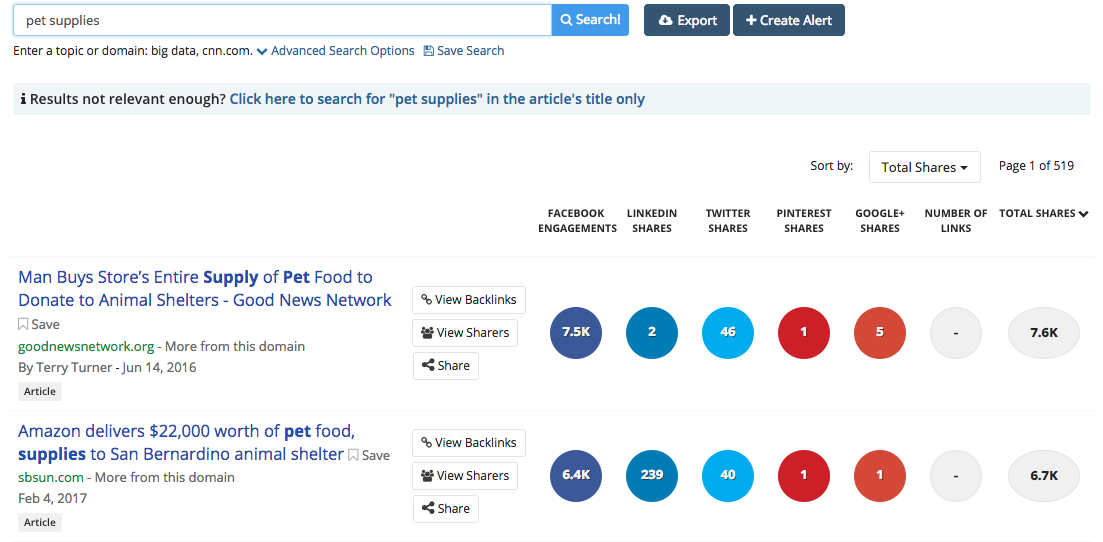
BuzzSumo
BuzzSumo offers several content research and monitoring tools in one platform. Here are some of its most useful features:
- Content alerts. Similar to Google Alerts, BuzzSumo Content Alerts notify you via email when your chosen keyword, author, or domain is mentioned online.
- Backlink reports. View all inbound links pointing to your main site or a specific URL. Full backlink data is available with the paid version.
- Social share tracking. Enter a page URL to see how many times it’s been shared across major social platforms. The free version includes a limited number of searches per day.
Moz Link Explorer
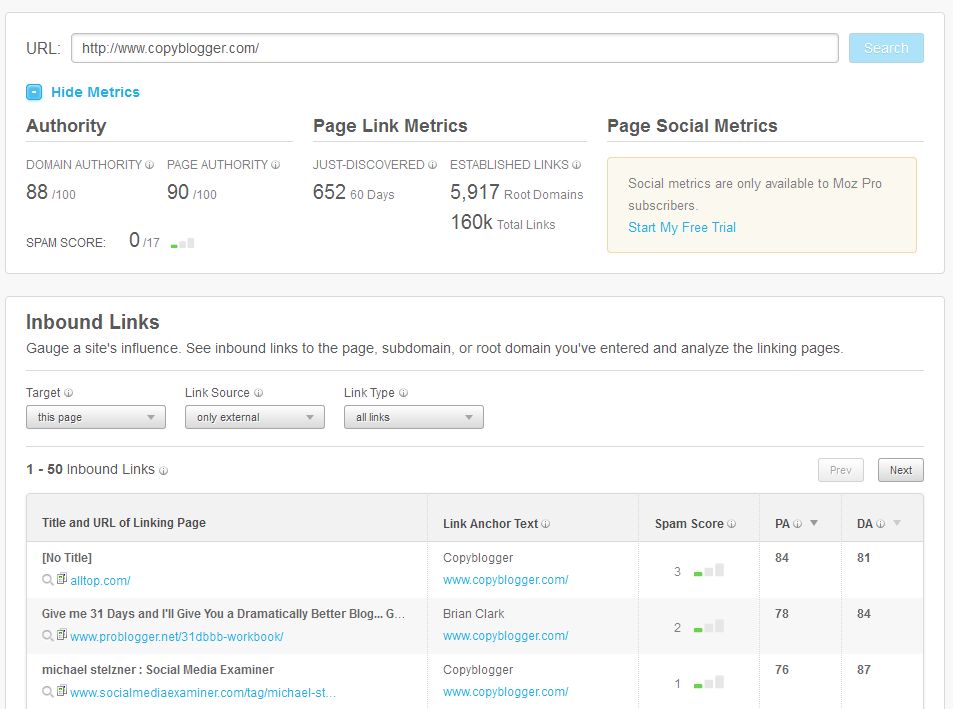
The Moz Link Explorer is a helpful tool for evaluating website authority, tracking backlinks, and competitor research. Key features include:
- Domain Authority insights. Enter the URL of any site that mentions your brand to check its Domain Authority (DA) and assess the strength of that mention.
- Inbound link monitoring. Input your own URL to view a report on backlinks to your site. The paid version provides a comprehensive list, including each linking page’s DA.
- Competitor insights. Analyze your competitors’ top-performing content and backlink strategies to identify new outreach opportunities.
Majestic Site Explorer
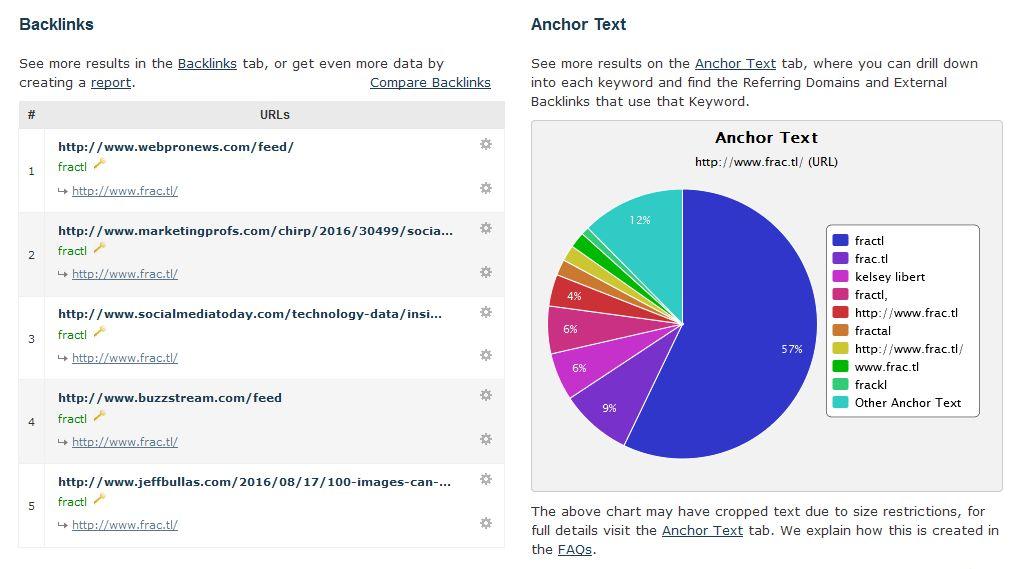
Another backlink reporting tool is the Majestic Site Explorer. The tool provides data on all your backlinks and their anchor text, which is useful for seeing how other publishers are referring to your brand or story when they link back to you.
Quantcast
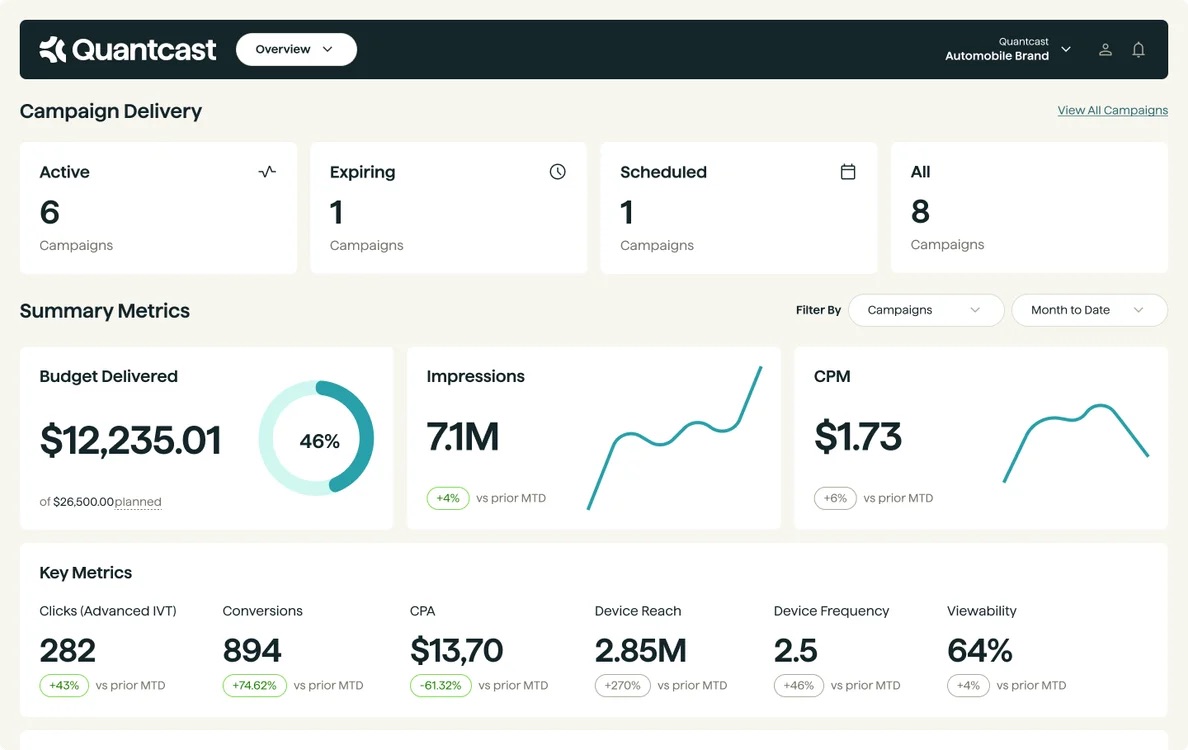
One way to check a website’s page views is by using Quantcast. Quantcast provides page-view information for select, high-authority websites. Not all websites are included in their database, but you may be able to use the tool to pull information on more well-known websites.
Google Analytics
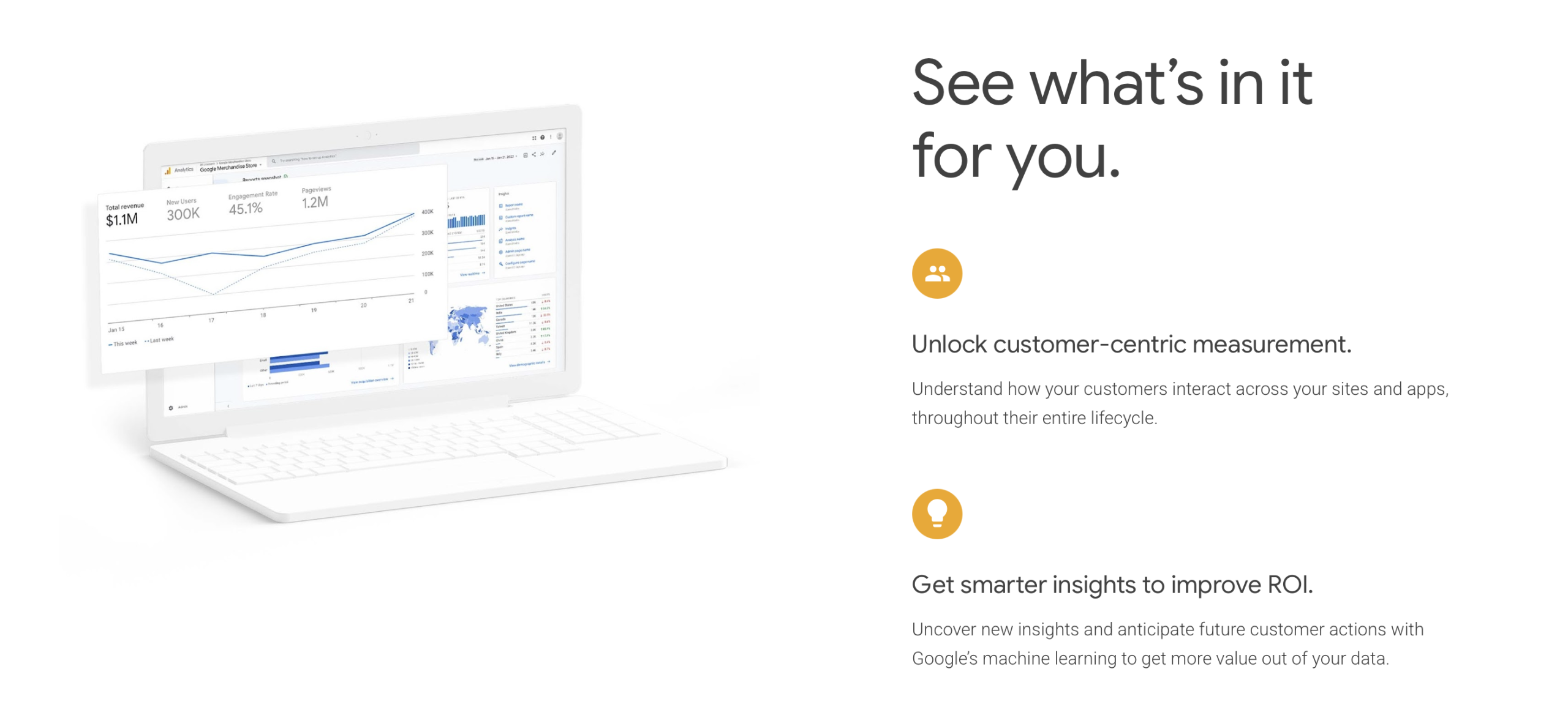
Google Analytics allows marketing teams to track how users interact with content after they arrive on your site from external placements. It shows key web analytics data such as page views, bounce rates, time on page, conversion rate, and user paths, helping teams understand whether referral traffic from content marketing efforts is engaging the target audience and supporting marketing campaigns.
Turning Content Tracking Data Into Action
Tracking where your content appears is only useful if the data informs what you do next. When performance data is reviewed consistently, it becomes a feedback loop that helps marketing teams refine content strategies, improve content performance, and focus future marketing efforts on what works.
Analyzing content metrics across placements, formats, and channels helps teams move beyond surface-level reporting and use analytics tools to guide smarter decisions across content creation, SEO, and digital marketing campaigns.
Here’s how performance data can help you improve your content:
- Identify high-value publishers. Reviewing referral traffic, page views, and conversion rate by placement helps pinpoint which websites reach your target audience and consistently support marketing goals.
- Refine content formats. Comparing content types and formats, such as blog posts, studies, or visual assets, shows which pieces of content earn stronger engagement, higher CTR, or more backlinks.
- Improve SEO and rankings. Tracking backlinks, anchor text, and search engine performance highlights which content supports rankings and where optimization opportunities exist.
- Optimize CTAs and conversions. Conversion rate and CTR data reveal how well calls to action perform across different placements, helping teams adjust messaging and landing pages.
- Guide future content creation. Content analytics show which topics, angles, and formats resonate most, making it easier to prioritize new content ideas that align with audience interest.
- Support smarter marketing campaigns. Reviewing performance across timeframes allows marketing teams to compare campaigns, track metrics consistently, and improve future marketing strategy decisions.
Use Data To Guide Better Content Decisions
Each of these tools makes it easier for you to measure and track mentions and links for your brand. Using these tactics and receiving a notification of a placement will be exciting. It’s a win for your content marketing campaign, and now you will know how big a win it really is.
Contact Fractl today to see how we can use these strategies to create effective digital marketing campaigns and detailed reports on their results.