

From mapping a road trip to calculating flight distance, direct flights, or total travel cost, travelers are constantly searching for clear answers. That’s where trip calculators like Travelmath come in.
At the same time, the travel space is highly competitive, with countless brands publishing content around similar topics. But there’s a way to stand out in the travel industry, and you’ll discover how we did it in this in-depth content marketing case study.
Our work with John Wu, CEO of Travelmath, helped build brand awareness and authority by turning everyday travel-planning questions, like calculating travel time between two cities, into highly shareable, data-driven content that earned consistent, high-quality coverage.
Here are examples of some of the top coverage over a 10-month period of our engagement, where we launched an average of one campaign per month:
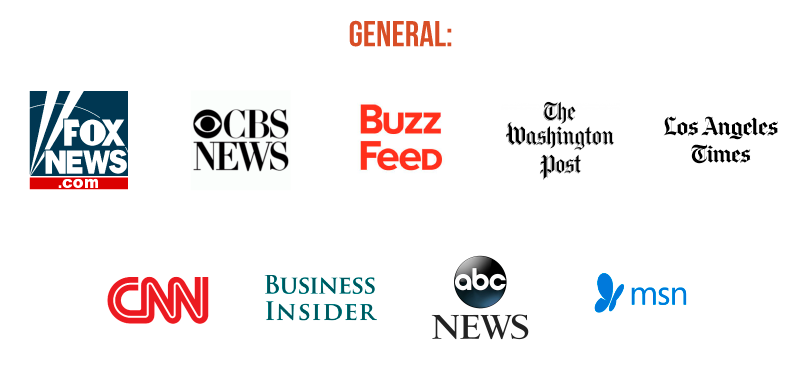
We created and promoted content that dominated in a heavily saturated vertical by using three key content characteristics.
Using Tangential Content To Attract New Audiences
Share


Zooming out and being more broadly appealing with content can help you reach bigger audiences and high-authority publications. At Fractl, we refer to this kind of content as tangential content. Knowing the benefits of tangential content, John trusted our expert team to decide which campaigns to make and promote.
With the client’s trust, we started brainstorming ideas that were somewhat related to travel but also had a very broad appeal, to target general, high-authority news publishers.
One of our earliest campaigns was called Fictional Travel Times, which compared the relative speeds of fictional characters and vehicles, like Iron Man and the U.S.S. Enterprise. Its goal was to appeal to pop culture fans while tying in the theme of travel.
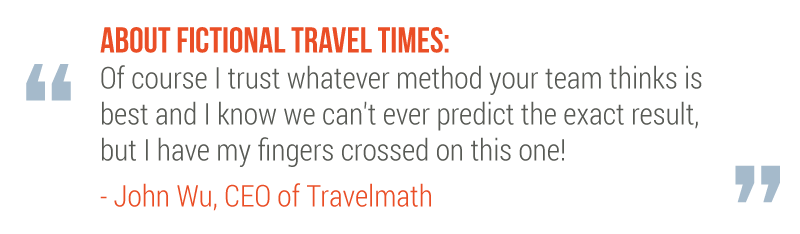
We secured coverage for the campaign on popular sites, including Space, Yahoo! News, Fast Company’s Co.Create, MovieWeb, and Design Taxi. BuzzFeed even created an awesome quiz out of it.
And while these placements were high-quality wins, if we’re being honest, it wasn’t even close to being our most successful campaign for this client. It was great to be tangential and have pop culture appeal, but when we started incorporating additional criteria for promotional viability, the links rolled in at a very impressive rate.
Using the Brand’s Authority To Make Super Valuable Content
When you have the chance to position your brand as an authority in a way that’s also engaging for a wide audience, always seize the opportunity.
We had that opportunity — and we took it.
The campaign, called Airport Rankings, presented a ranked list of airports across the country based on a series of criteria gathered by the Fractl team.
Our creative team also conducted original research for the Fictional Travel Times campaign, but we took it a step further by creating our own ranking system. The airport data was already there, but hadn’t been analyzed and compiled in the way our team approached it, which made the client an expert resource for travelers across the U.S.
To make complex travel data more accessible and engaging, our team focused on clarity throughout the experience, including:
- Interactive elements. An interactive chart lets users explore multiple ranked lists based on different criteria, from flight delay percentages to TSA claims.
- Clear comparisons. Data was organized so readers could easily compare airports when evaluating travel time and overall flight experience.
- Transparent methodology. A detailed explanation on the landing page showed how each ranking was calculated, reinforcing trust and authority.
- Practical value. By distilling complex data into an easy-to-read format, the content delivered meaningful insights for people planning air travel or comparing flight times between two cities.
And it leads to publisher responses like this:
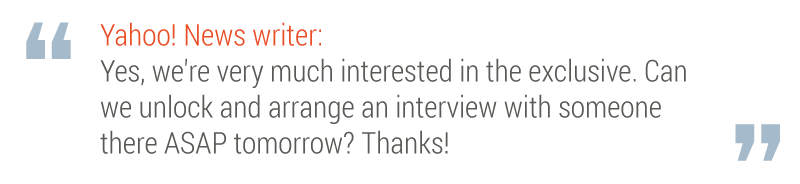
The results were immediate. Yahoo! News, The Huffington Post, Thrillist, and Gothamist covered the campaign, and the syndication was incredible.
When counting dofollow, cocitation, and nofollow links, the campaign was picked up 230 times.
But a few other campaigns had even more success, and it’s because they featured one of the most shareable characteristics a piece of content can have.
Shocking Readers so They Share Like Crazy
Sometimes, the perfect idea comes along (after days of optimized brainstorming and thorough knowledge of your client and their vertical). This perfect idea meets the previously discussed promotional components, in addition to one more: the element of surprise.
We ended up doing a series of what we internally called “hygiene campaigns” for Travelmath, in which we assessed how many germs were present in different locations.
The first campaign we created was called Airline Hygiene Exposed, and right when we launched it in promotions, we knew we’d tapped into something amazing. The campaign was covered by top news publications like The Washington Post, CNN, and more, with more than 14,000 social shares generated from the CNN placement alone.
But this wasn’t a surprise to us.
Why?
When we pitched this idea to Travelmath, we were confident in its success because it not only met the surprise factor, but the other two factors discussed in this case study, and these three factors make up the promotional trifecta:
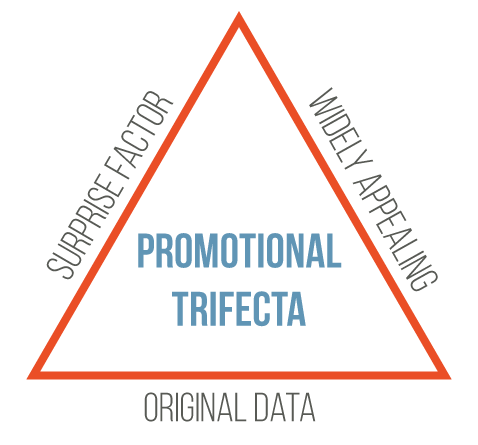
Here’s how this campaign met the Promotional Trifecta:
- It had a built-in surprise element. Based on our research on viral content, surprise is one of the major criteria that contribute to a campaign’s viral potential. People are most likely to be impacted by (and thus share) surprising content, and we knew finding out the dirtiest places on a plane (and just how dirty they are) would emotionally resonate with anyone who has flown.
- It was relatable to a huge audience. Anyone who has ever flown in a plane could connect with the content. As a bonus, people who fly more often would be even more interested in the content, meaning people who are more likely to use Travelmath’s tools would like this content the most. The idea cast a wide net of appeal while simultaneously speaking to the client’s target demographic – the best win-win you could ask for.
- It was original research. We didn’t rehash information that was already out there or refer to third-party sources. We actually went out and swabbed different parts of the plane and sent the samples to a lab to be tested. Taking the initiative to collect the data positioned the brand as an authority while also providing publishers with something new and newsworthy – two things that significantly increase your chances of getting high-quality coverage.
The hygiene campaigns we created serve as a comprehensive example of how, when these three criteria come together, incredible things can happen in outreach.
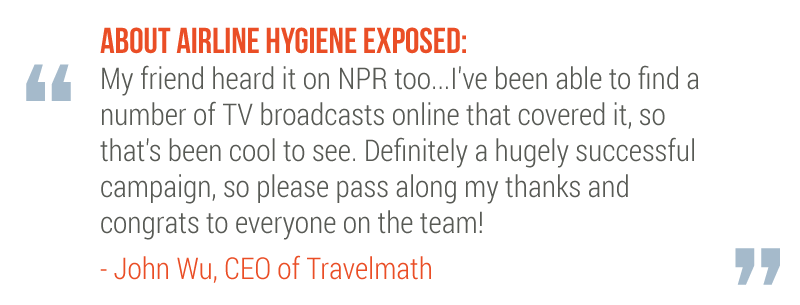
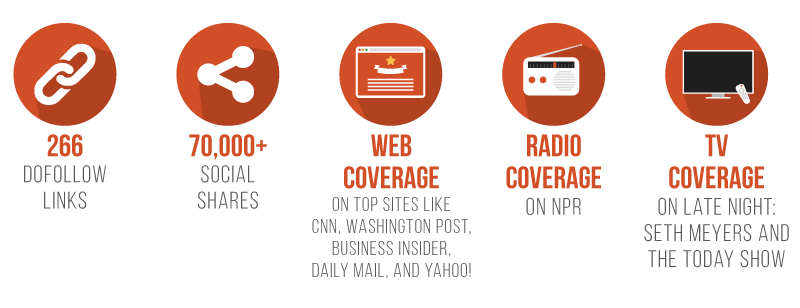
Between the three hygiene campaigns — Airline Hygiene, Hotel Hygiene, and Public Transit Hygiene — the data garnered:
Utilizing the Promotional Trifecta To Create Top-Performing Content
At Fractl, the promotional trifecta serves as a guiding framework for identifying campaign ideas with strong potential for visibility, engagement, and editorial pickup across high-authority publishers.
While not every campaign fits the trifecta perfectly, it provides a reliable starting point that helps shape creative direction from ideation through promotion. We evaluate each concept on a campaign-by-campaign basis, using the trifecta alongside additional research criteria to assess whether an idea is timely, newsworthy, and broadly appealing.
Across the Travelmath engagement, this approach led to:
- Stronger publisher interest. Campaigns aligned with the trifecta consistently attracted responses from national outlets, including major news, business, and broadcast publications.
- Higher shareability. Content built around this framework generated significant social traction, with individual placements driving tens of thousands of shares.
- Sustained coverage momentum. Rather than one-off wins, the trifecta supported repeat success across multiple campaigns over the 10-month engagement.
- Clear editorial positioning. Journalists were able to quickly understand why the content mattered, whether it related to comparisons between two cities, shifts in travel time, or broader travel-related behaviors.
- Credibility at scale. Original data and clear framing helped establish Travelmath as a trusted reference point for publishers covering travel planning topics.
These outcomes reinforced the value of using a consistent creative framework, one that guides idea selection and improves how stories are packaged and presented to the media.
At Fractl, we partner with brands to create data-driven content that attracts attention, earns links, and builds lasting authority. Get in touch to see how our team can support your next campaign.