



Table of Contents
- What Is Conversion Content (and Why Most of It Doesn't Earn Links)?
- Money Pages That Earn Links: What They Look Like
- Resource Guides That Drive Conversions: What They Look Like
- Mapping Content to the Funnel: Where Resource Guides and Money Pages Fit
- How To Build Content That Converts and Earns Links
- Conversion Content Across Different Business Models
- The Content That Earns Links Is the Content That Converts
- FAQ
Most content marketing strategies force a choice: You build money pages to convert, or you build resource guides to earn links. The two rarely overlap, and teams treat them as separate tracks with separate goals.
But that’s a missed opportunity. The highest-performing pages we’ve built at Fractl do both: they drive conversions because they address real pain points, and they earn backlinks because they’re genuinely useful enough for other sites to reference. The key is building pages where both conversion content and link-worthy content reinforce each other.
Below, I’ll break down how to build resource guides and money pages that naturally attract links while still moving readers toward a desired action. I’ll cover content strategy, real examples with Ahrefs data, and the principles that make content creation work for both conversions and link earning.
What Is Conversion Content (and Why Most of It Doesn’t Earn Links)?
Conversion content is any piece of content designed to move a reader toward a specific action: signing up, requesting a demo, making a purchase, or submitting an inquiry. It sits in the middle to bottom of the sales funnel, targeting potential customers who already know they have a problem and are evaluating solutions.
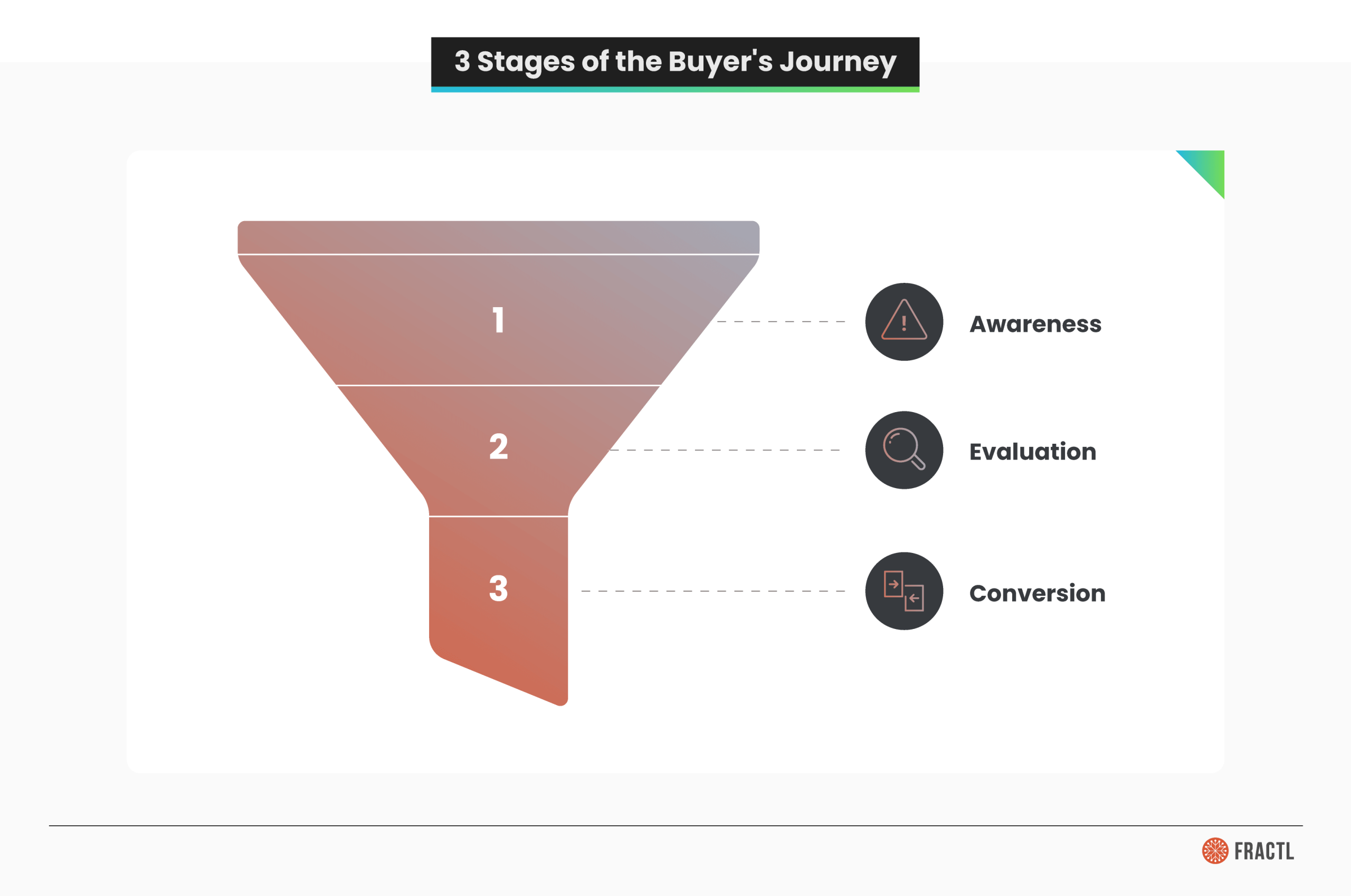
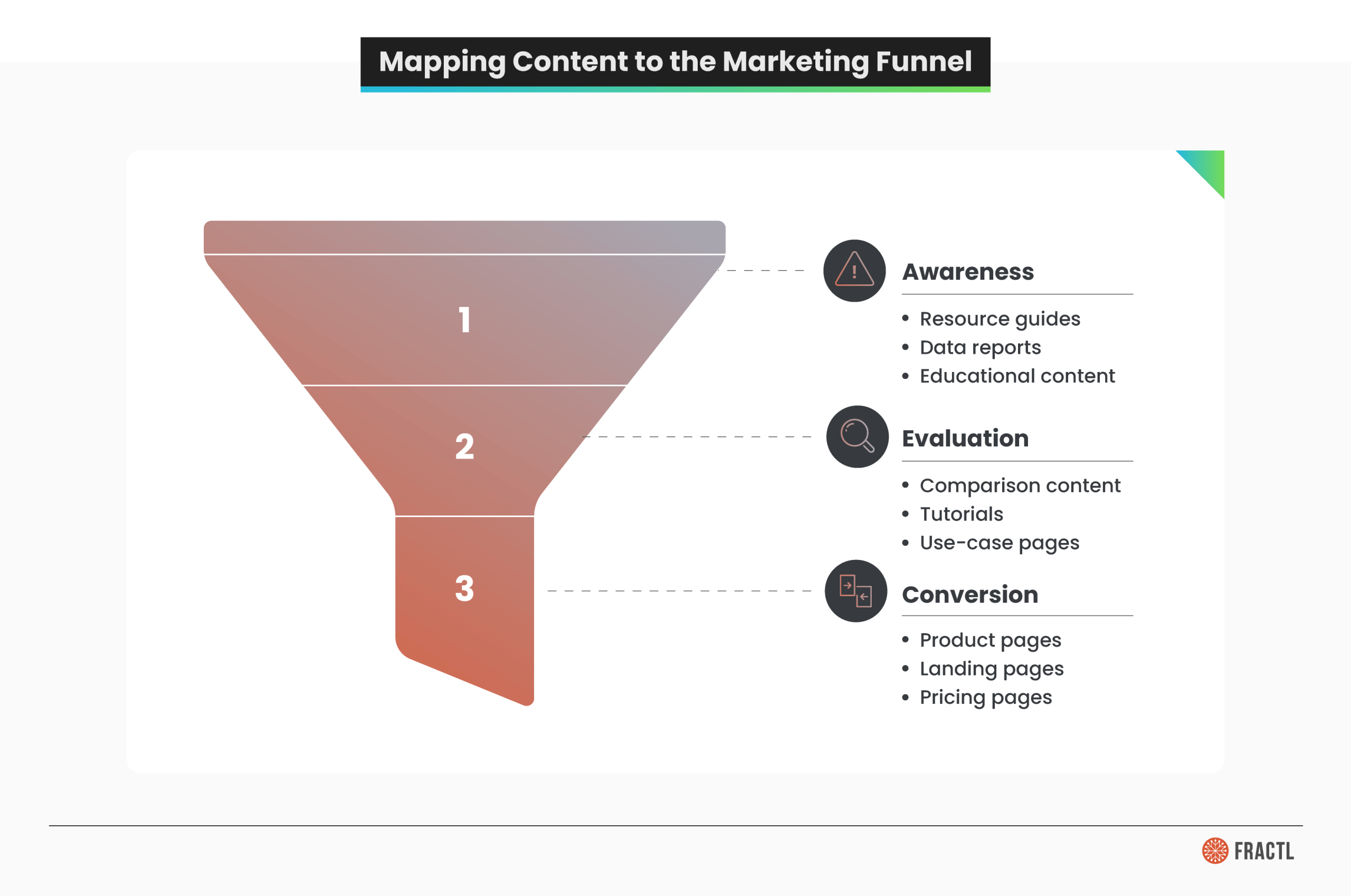
The buyer’s journey typically breaks into three stages:
- At the top of the funnel (awareness stage), people are searching for information.
- In the middle, they’re comparing options.
- At the bottom, they’re ready to act. Conversion content lives in those last two stages, where lead generation and revenue happen.
Here’s the problem: most conversion content is built entirely around the business, not the reader.
Product pages list features. Landing pages push CTAs. Pricing pages present tiers. These pages serve their purpose, but they offer nothing that another site would want to link to. They’re self-serving by design, and search engines can tell.
Meanwhile, top-of-funnel content (resource guides, data reports, educational articles) earns links because it’s useful to a broader audience. But it often sits too far from the conversion point to drive revenue directly. That’s the gap we’re closing: building pages where high-quality content and a clear call to action coexist without undermining each other. Your target audience doesn’t care about your marketing efforts; they care about solving their problem. Pages that do both are the ones that win.
Money Pages That Earn Links: What They Look Like
Money pages don’t have to be conversion-only dead ends. The ones that earn links share these basic common traits:
 Genuinely useful |  Data-rich |  Structured for users & search engines to read |
To get more specific, here’s what makes a money page link-worthy:
- Original data or comparison frameworks. Pages that include proprietary benchmarks, industry comparisons, or calculated tools give other sites something to reference that they can’t find elsewhere.
- Value beyond the pitch. Strip out every CTA and brand mention. If the page is still useful, other sites will link to it. If it’s not, it’s a brochure, not a resource.
- Comprehensive coverage. Pages that answer the full scope of a searcher’s question (not just the part that sells your product) rank better and earn more links.
- Social proof that doubles as content. Testimonials, case studies, and use cases build trust with potential customers while also providing quotable data points for journalists and bloggers.
- Structured for readability. Comparison tables, bulleted lists, and clear headings make the page scannable, reduce bounce rate, and increase the chances someone references a specific section.
Example: Clarify Capital’s Product Pages
Clarify Capital is a business lending marketplace and a client of ours. Their product pages are money pages in the truest sense: they exist to drive loan applications. But several of them have earned significant backlink profiles because they go beyond the typical product pitch.

Their short-term business loans page has earned 98 referring domains and ranks for 37 organic keywords. Their fast business loans page has 26 referring domains and 38 total backlinks. What makes these pages link-worthy isn’t the application form they take the reader to; it’s the comparison data, eligibility breakdowns, and product-specific content. Other sites reference these pages when writing about business lending options because the content is comprehensive and genuinely helpful.

A money page that answers questions beyond “why should I buy this?” becomes a resource that other sites cite.
That’s how you earn links to your highest-converting pages without running a single outreach campaign for them. You can also optimize existing content on your site; look at your current product pages and ask what data or comparisons you could add to make them more link-worthy.
Resource Guides That Drive Conversions: What They Look Like
Resource guides are typically top-of-funnel, education-first content. They attract organic traffic, earn backlinks from publishers, and build domain authority. But the best ones don’t stop at awareness.
They move readers toward conversion by addressing real problems and positioning the brand as the solution, without a hard sell.
A resource guide that converts:
- Addresses a specific pain point. Generic “ultimate guides” attract traffic but don’t convert because they don’t connect to an action the reader is ready to take. Guides tied to specific, urgent problems (how to handle a power outage, how to save on energy during a drought) convert because the reader has a real need.
- Builds trust through depth. A guide that covers a topic comprehensively signals expertise. Readers who trust your content are more likely to trust your product.
- Includes strategic CTAs without being salesy. Place CTAs where they naturally fit (after you’ve delivered value, not before). A resource guide about energy savings can end with a CTA for an energy provider without feeling forced.
- Uses infographics and data to hold attention. Visual elements increase time on page and shareability, both of which support conversion and link earning.
- Gets promoted through digital PR. A guide that sits on your blog without distribution won’t earn links on its own. Pairing it with a digital marketing campaign (earned media, social media, LinkedIn promotion, podcasts) puts it in front of journalists and publishers who amplify it.
Example: Payless Power’s Resource Guides
Payless Power is a prepaid electricity provider in Texas. These are just a few of the resource guides we’ve created for them:
- Solar eclipse preparedness
- Hurricane season energy strategies
- Water-saving techniques during drought conditions
- Handling sudden power outages
Each guide serves a genuine reader need. Someone searching for “how to prepare for power outages during a hurricane” isn’t shopping for electricity plans, but they’re exactly the right audience for a prepaid energy provider. The guides build trust, demonstrate expertise, and naturally position Payless Power as the brand that understands their situation.
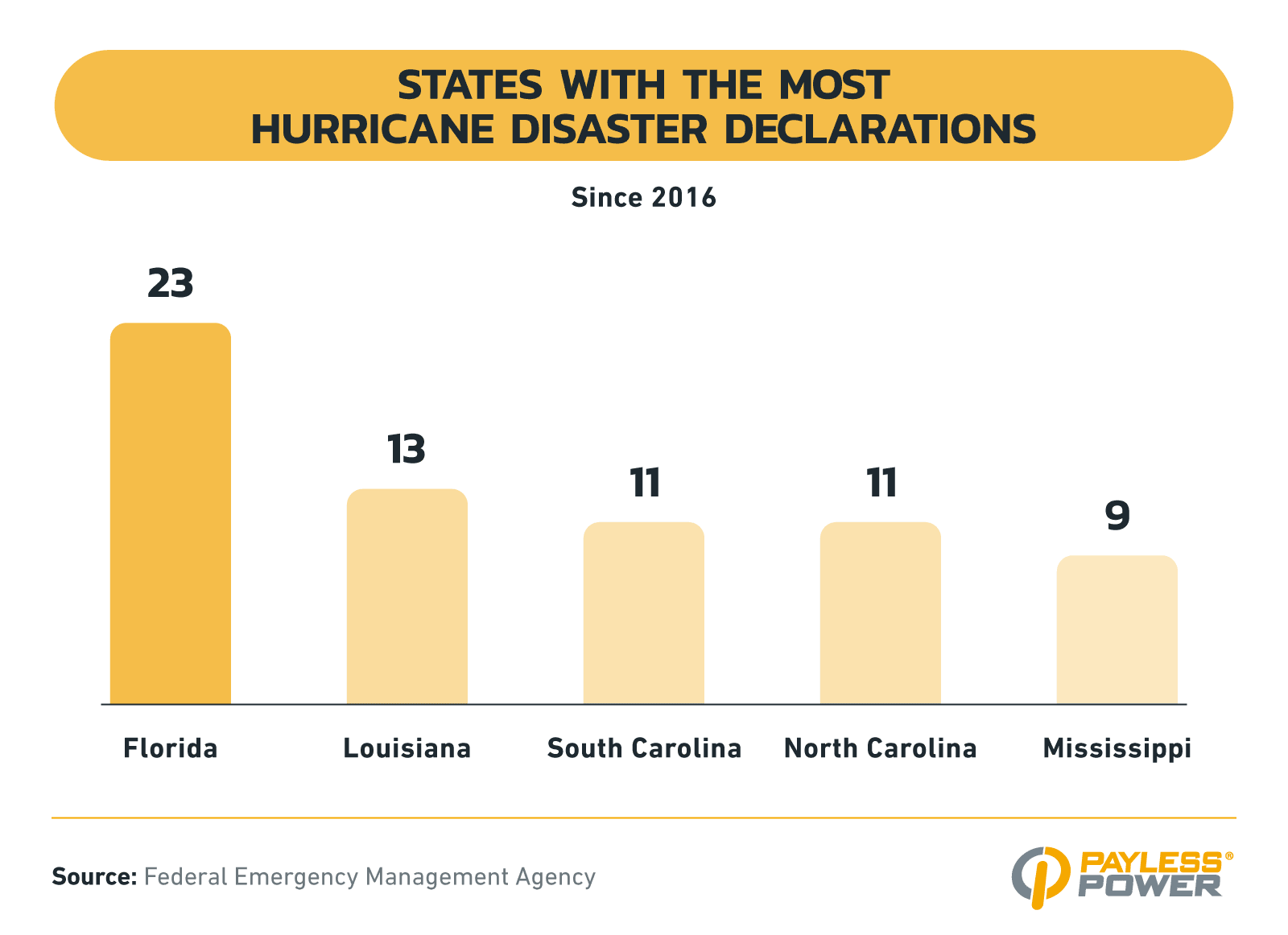
Across Payless Power’s broader content and digital PR campaigns, we earned 1,208 press mentions (including 450 from publishers with a domain authority above 60) and increased their referring domains by 55% in 16 months. Organic traffic grew 25% in that same period, driving meaningful website traffic and boosting the brand’s bottom line. The resource guides were a key part of that strategy: they earned coverage from outlets like Yahoo, USA Today, and the Houston Chronicle while supporting Payless Power’s conversion goals by driving relevant traffic to a site that converts.
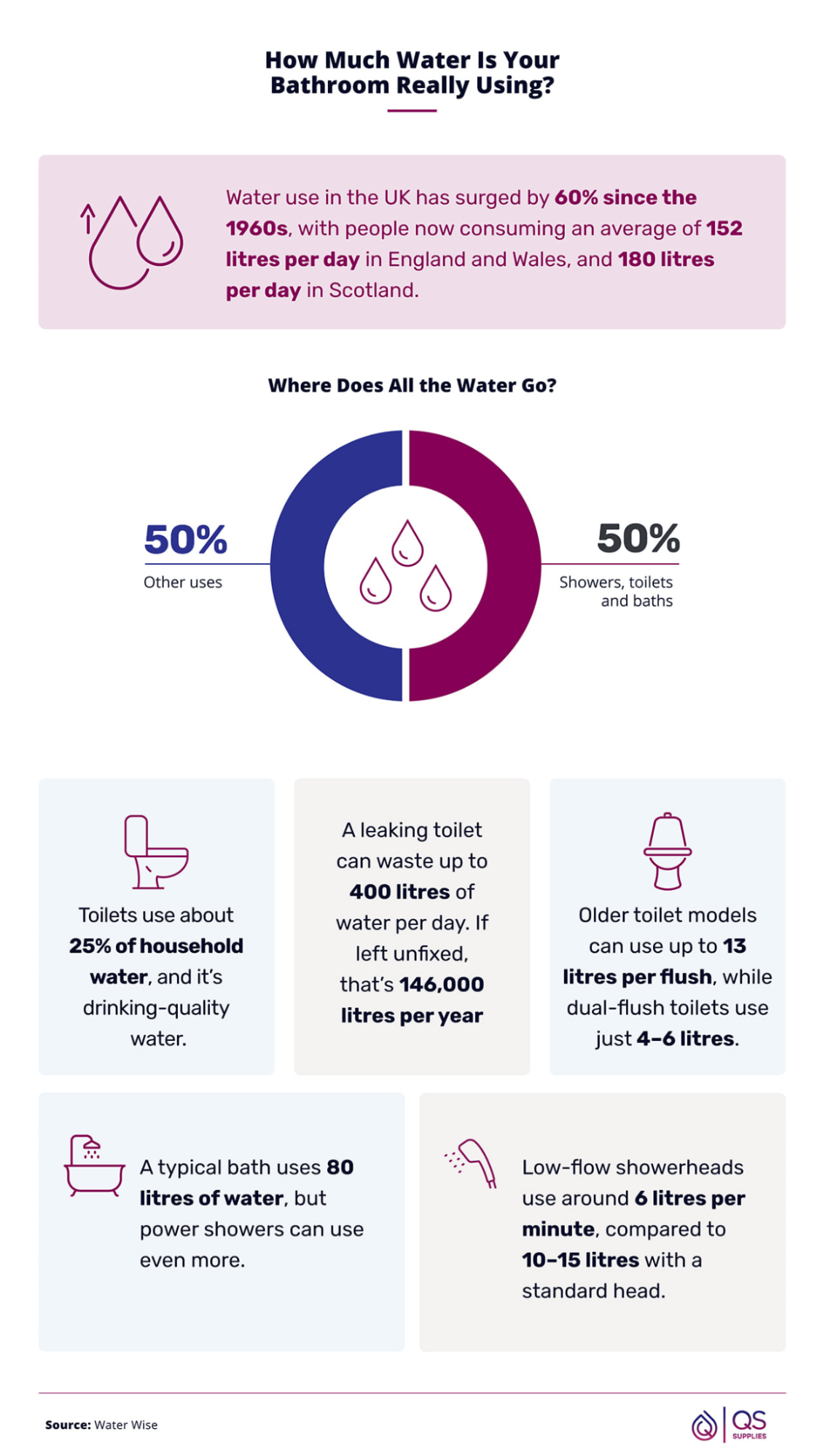
We applied a similar approach for QS Supplies’ water usage guide in the UK: a data-rich resource page designed to attract links from publishers covering water conservation and sustainability. The content serves a public interest topic while positioning QS Supplies as a thought leader in their space.
Mapping Content to the Funnel: Where Resource Guides and Money Pages Fit
Resource guides and money pages aren’t in competition. They serve different parts of the sales funnel, and the best content strategies use them together.
- Top-of-funnel (awareness stage). Resource guides, data reports, and educational content attract organic traffic and earn backlinks. The reader doesn’t know your brand yet. These pages build awareness and domain authority.
- Mid-funnel. Comparison content, tutorials, and use-case pages bridge education and evaluation. These can both convert and earn links if they offer genuine value beyond a sales pitch. Think: “how to choose a business loan” pages that compare options objectively while linking to your own product pages.
- Bottom-of-funnel. Product pages, landing pages, and pricing pages are designed to convert. They earn links when they include original data, comparison frameworks, or industry benchmarks that other sites reference (like the Clarify Capital example above).
The overlap between these stages is where the most valuable content lives. A mid-funnel page that compares software options with original benchmarks can rank, convert, and earn links simultaneously. That’s the sweet spot.
How To Build Content That Converts and Earns Links
These are the principles we apply at Fractl when building conversion content that also functions as a link magnet:
- Start with keyword research that targets pain points. Don’t default to high-volume informational keywords. Target queries where the searcher has a problem your product solves. A page targeting “how to get a business loan with bad credit” converts better than “what is a business loan” because the reader is closer to action.
- Build content that’s worth referencing on its own. If you stripped out every CTA and brand mention, would the page still be useful? That’s the bar. Pages that pass this test earn links naturally because other sites treat them as resources, not ads.
- Add original data, benchmarks, or frameworks. Journalists, bloggers, and site owners link to pages that contain something they can’t find elsewhere. Original research, proprietary data sets, and unique comparison frameworks are the most linkable content formats we’ve seen across hundreds of campaigns.
- Place CTAs where they’ve earned the right to exist. Put your call to action after you’ve delivered value. Match the CTA to the content’s position in the funnel: a soft CTA (“download the full report”) for top-of-funnel, a direct CTA (“start your free trial”) for bottom-of-funnel. A/B testing different formats, placements, value propositions, and even button colors can lead to a higher conversion rate than you’d get from guessing.
- Invest in readability and structure. Scannable headings, bulleted lists, comparison tables, and templates keep readers on the page and reduce bounce rate. Pages that are easy to reference (with clear sections and quotable data points) are more likely to earn links.
- Promote through digital PR and content marketing. Even the best content needs distribution. Earned media campaigns, social media promotion, and targeted outreach put link-worthy pages in front of the people most likely to reference them. At Fractl, our Adobe campaign earned 390 referring domains from nine campaigns because we paired high-quality content with scaled digital PR.
- Track dual KPIs. Measure both conversion rate and referring domains as success metrics. Use Google Analytics to track conversions and a tool like Ahrefs to monitor backlink growth. A page that converts but doesn’t earn links is missing growth potential. A page that earns links but doesn’t convert is missing revenue. The best pages move both metrics.
Conversion Content Across Different Business Models
This framework applies beyond any single industry. Here’s how it can play out across different business types:
| Industry | Content types | Why it works |
|---|---|---|
| SaaS | Feature comparison pages, free tool pages, “state of the industry” reports | Doubles as conversion content and link magnets when it includes original benchmarks or proprietary data |
| E-commerce | Product category pages, buying guides, comparison tables, original review data | Earns links from bloggers and niche publications; helps shoppers make decisions |
| Startups | Thought leadership resource guides, original research | Builds credibility and domain authority before meaningful conversion volume exists |
| Service businesses | Case study pages, methodology guides | Demonstrates expertise and earns referral links from industry publications |
The Content That Earns Links Is the Content That Converts

The false binary between link-worthy content and conversion content is what holds most content marketing strategies back. Resource guides don’t have to be traffic-only pages that never convert. Money pages don’t have to be brochures that never earn a single backlink.
The pages that perform best over time are the ones built around a simple idea: serve the reader first, and the links and conversions follow. Original data, comprehensive coverage, and strategic CTAs aren’t competing goals. They’re complementary ones.
If you’re looking for a team that builds content designed to rank, convert, and earn high-authority links, see how Fractl’s content marketing services can help.
FAQ
What is conversion content?
Conversion content is any piece of content designed to move a reader toward a specific desired action (signing up, buying, downloading, requesting a demo). It includes landing pages, product pages, case studies, comparison guides, and pricing pages. The most effective conversion content doesn’t just sell; it provides enough value that the reader trusts the brand before they ever click a CTA.
What’s the difference between a money page and a resource guide?
Money pages focus on conversion: product pages, service pages, pricing pages, and landing pages where the primary goal is to drive a transaction or lead. Resource guides focus on education: in-depth content designed to inform, build authority, and earn organic traffic and backlinks. The best content strategies blur the line by building money pages comprehensive enough to earn links, and resource guides strategic enough to drive conversions.
How do you measure whether content is converting and earning links?
Track conversion rate alongside referring domains and organic traffic growth. Use Google Analytics (or your analytics platform of choice) for conversion metrics like form submissions, sign-ups, and bounce rate. Use Ahrefs, Moz, or similar SEO tools to monitor new referring domains, backlink quality, and keyword rankings. The pages worth investing in are the ones that move both metrics over time.